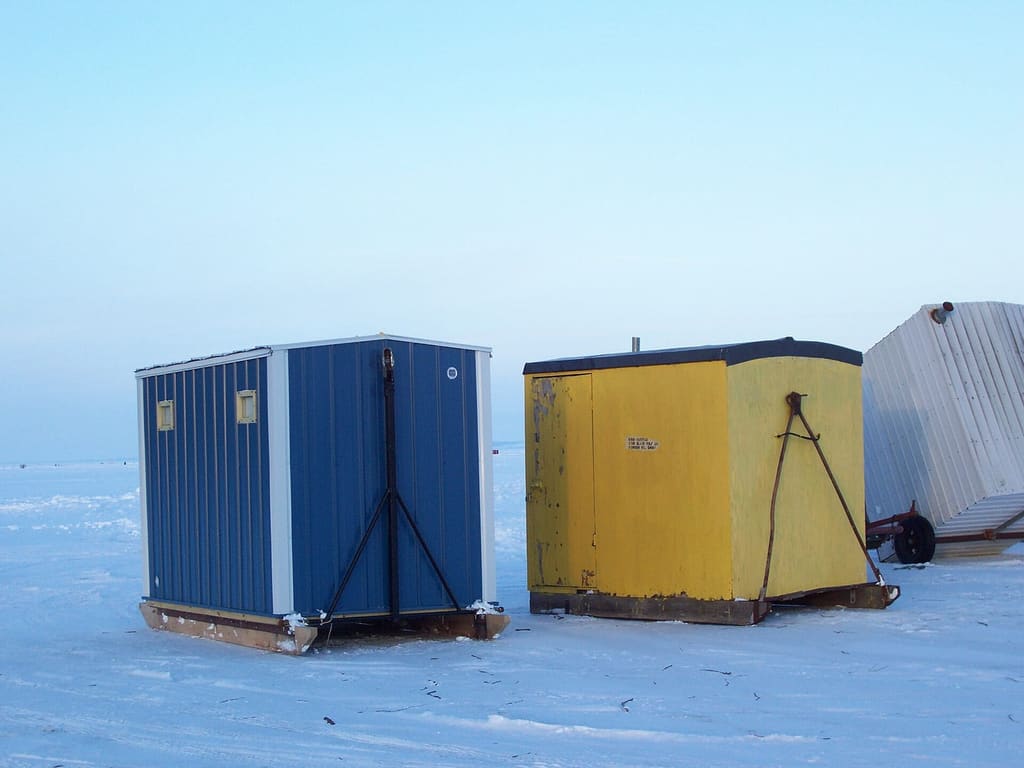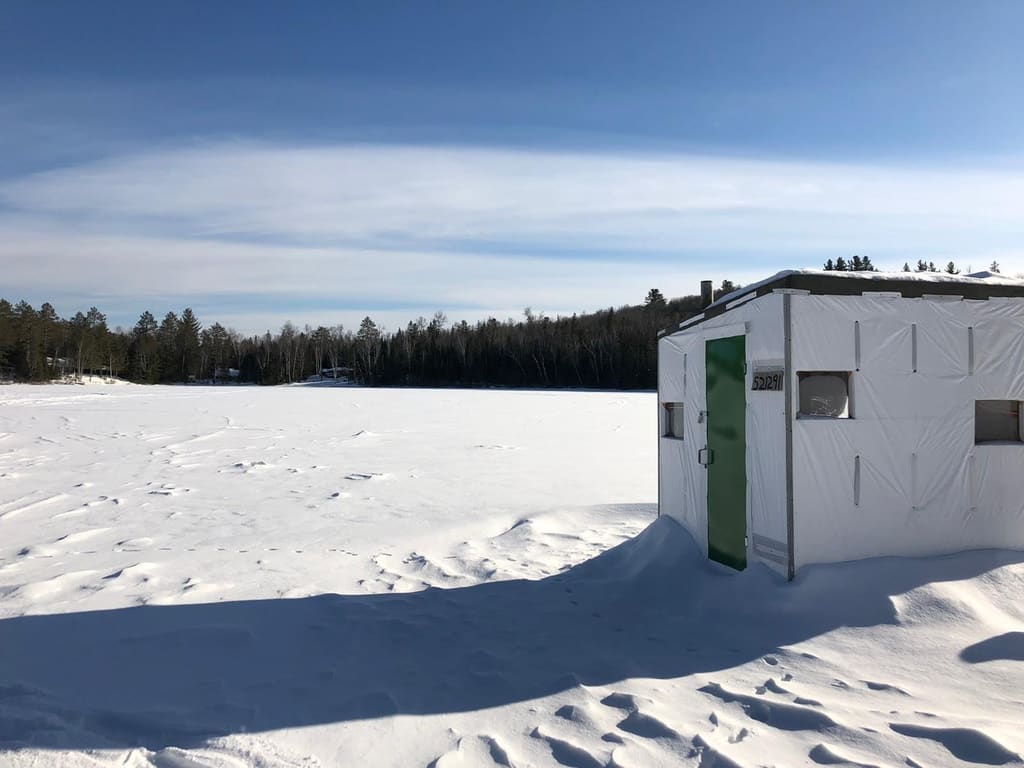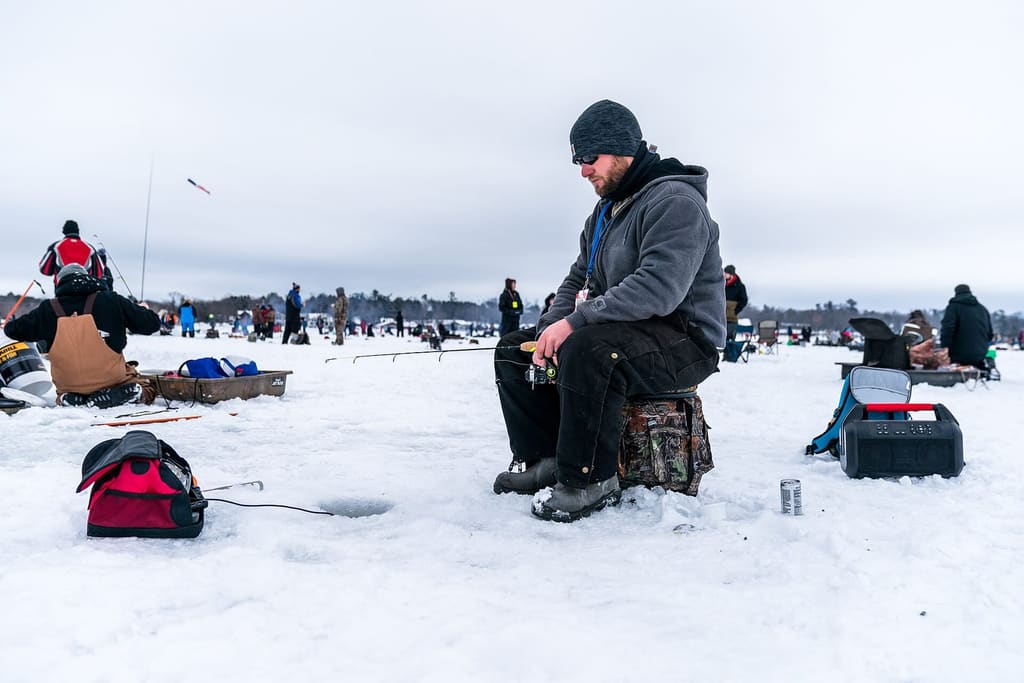
Ice fishing strips the sport down to its essentials: a hole in the frozen surface, a short rod, and fish that gather in predictable places beneath your boots. It looks intimidating from the shore, but it is one of the most beginner-friendly ways to catch fish once you understand the basics. The gear is simple, the spots are close to home, and the fish often bite within arm’s reach of where you stand.
This guide walks you through everything you need for a safe, productive first trip on the ice, from reading conditions to setting the hook on a panfish through eight inches of clear hardwater.
Ice Safety Comes First
Before you think about fish, think about the ice under your feet. No catch is worth falling through. Ice thickness is the single most important number on any trip, and you measure it yourself rather than trusting how it looks.
General guidelines for new, clear, solid ice:
- Under 4 inches: stay off. Not safe for foot travel.
- 4 inches: minimum for a single angler on foot.
- 5 to 7 inches: supports a snowmobile or ATV.
- 8 to 12 inches: supports a small car or light truck.
White or honeycombed ice is far weaker than clear black ice, so treat it with extra caution and add to those numbers. Early season and late season ice are the most dangerous. Avoid areas near moving water, inlets, outlets, springs, and pressure ridges, where the ice is always thinner.
Drill a test hole near shore and check thickness as you move out. A spud bar, used to chop ahead of each step, gives you a real-time read on questionable early ice.
The Beginner Gear List
You do not need a heated shelter and a flasher to catch your first fish. Start simple and add equipment as you learn what you enjoy.
The essentials:
- Ice rod and reel. A 24 to 28 inch light or medium-light combo covers most panfish and small gamefish.
- Auger. A hand auger in the 6 inch size is affordable, quiet, and plenty for a beginner. A 6 inch hole lands almost everything you will catch starting out.
- Skimmer. A cheap plastic scoop to clear ice shavings and slush from the hole.
- Five-gallon bucket. Carries your gear, doubles as a seat, and holds your catch.
- Tackle. Small jigs, spoons, and a few hooks. Line in the 2 to 6 pound range.
- Bait. Live waxworms, spikes (maggots), and minnows are the workhorses.
Dress in warm, waterproof layers, insulated boots, and a hat. Cold, wet hands end trips faster than slow fishing. Bring hand warmers and a thermos.
Targeting Beginner-Friendly Fish
Some species are far easier to catch through the ice than others. Build confidence on the cooperative ones first.
Panfish
Bluegill, sunfish, crappie, and perch are the classic beginner targets. They school tightly, bite readily, and live in most lakes. A tiny jig tipped with a waxworm or a couple of spikes, fished just off the bottom or suspended over weed edges, will produce.
Other Options
Yellow perch roam in schools and hit small jigging spoons. Once you are comfortable, a tip-up set with a lively minnow can tempt walleye, pike, or trout while you actively jig a second hole nearby.
Finding Fish Under the Ice
Open water and ice fishing share one truth: location beats everything. The difference is that you cannot cover water as quickly, so you fish smart from the start.
Productive early-ice areas include:
- Weed edges and remaining green vegetation, which hold oxygen and bait.
- Drop-offs where shallow flats fall into deeper basins.
- The 8 to 20 foot depth range, a reliable starting point for panfish.
- Points, humps, and any structure that breaks up a flat bottom.
Be willing to drill several holes and move. If nothing bites within 15 to 20 minutes, punch a new hole and try a different depth or spot. Active anglers who hole-hop almost always outfish those who sit on one spot all day. If you can borrow or buy a basic flasher sonar later, it dramatically shortens the search by showing you fish and how they react to your jig.
Jigging Technique That Catches Fish
Ice fishing presentation is subtle. The water is cold, the fish are sluggish, and a frantic retrieve usually scares them.
A simple, effective approach:
- Drop your jig to the bottom, then reel up a foot or two.
- Use small lifts and gentle shakes to make the jig quiver in place.
- Pause often. Most strikes come on the pause or as the bait sits still.
- Watch your line or bobber closely. A bite may be nothing more than a tick, a lift, or the line going slack.
- Set the hook with a quick, controlled snap of the wrist, not a big sweep.
If fish look at your jig and refuse it, downsize, slow down, or add fresh bait. When a school goes quiet, a slight change in jigging cadence often triggers the next bite.
Handling Fish and the Cold
Keep a small towel handy, because wet hands freeze fast. Unhook fish quickly with needle-nose pliers or a hook remover. If you plan to release fish, do it promptly, since a fish left on the ice in subfreezing air can suffer eye and gill damage in seconds.
If you are keeping fish to eat, a bucket or a flip-style basket works fine. Be mindful of how many you keep and which sizes, both for the resource and the rules.
Final Thoughts
Ice fishing rewards patience, mobility, and a little caution more than expensive gear. Start on safe, well-traveled ice, keep your setup simple, target willing panfish in the 8 to 20 foot zone, and stay willing to move until you find the school. Catch a bucket of bluegill on your first outing and you will understand why hardwater anglers count down the days until freeze-up every year. Stay safe, stay warm, and enjoy the quiet of a frozen lake.