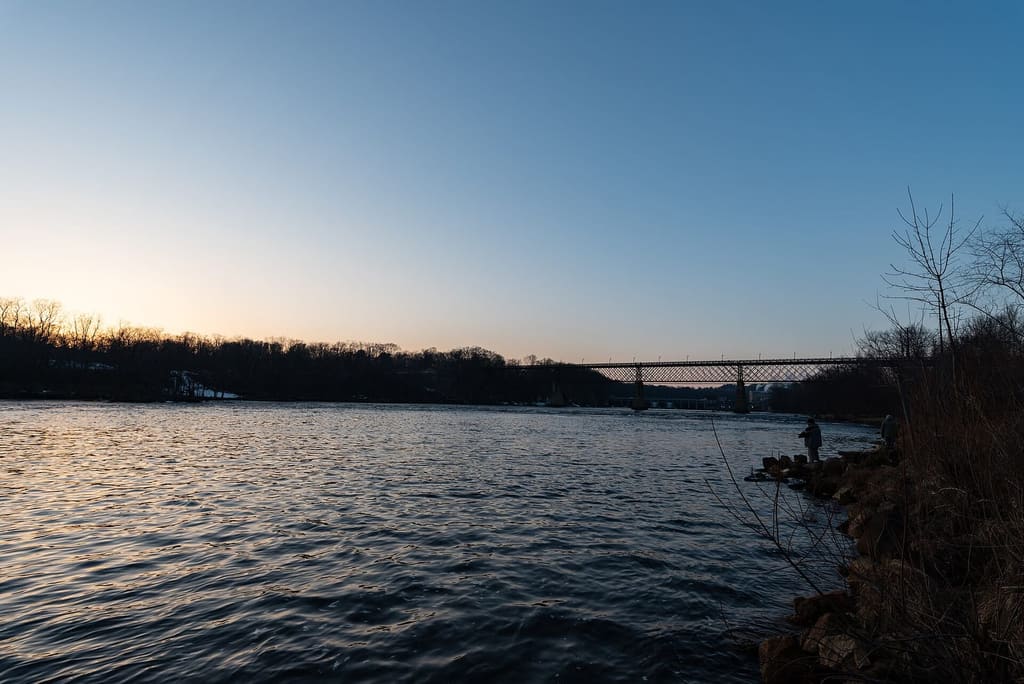
A fishing license is the single most important piece of gear you cannot buy at the tackle shop and forget about. It is your legal permission to fish, and the money it costs does real work: funding fish stocking, habitat restoration, boat ramps, and the wardens who keep waters healthy for everyone. Skip it and a routine bank-fishing trip can turn into a ticket worth far more than a season’s license.
The good news is that getting licensed is fast, cheap, and easy once you know how the system works. This guide walks you through who needs one, the common types, where to buy, and the traps that catch new anglers off guard.
Who Needs a Fishing License?
In the United States, fishing licenses are issued by each state, not the federal government. As a general rule, if you are an adult who plans to catch fish, you need one. But the details vary, and the exemptions are where people get tripped up.
Common situations where you typically DO need a license:
- You are an adult (often age 16 and up, though the cutoff varies by state) fishing public waters.
- You are using rod and reel, a cane pole, a bow, a net, or even your bare hands for legal species.
- You are fishing in a state where you do not live, as a visitor or tourist.
Common exemptions, which differ by state:
- Young children under a set age (commonly 16, sometimes lower).
- Senior residents, who may get free or heavily discounted licenses.
- Active-duty military on leave in their home state.
- Free fishing days, when a state waives the license requirement for everyone for a weekend or specific dates.
- Fishing on a licensed pay-to-fish pond, where the operator covers the requirement.
Freshwater vs. Saltwater Licenses
One of the first things to understand is that many states treat fresh and salt water separately.
- A freshwater license covers lakes, ponds, rivers, and streams.
- A saltwater license covers the ocean, bays, and tidal zones.
- Some states sell a combination license that covers both.
In several coastal states, instead of a paid saltwater license, you may be required to enroll for free in a saltwater angler registry so fisheries managers can track recreational catch. It is free, but it is not optional. If you plan to fish both kinds of water in the same year, the combo license is almost always cheaper than buying two separate ones.
Resident vs. Non-Resident Licenses
Where you live determines which price you pay.
A resident license is for people who legally live in the state, and it is the cheaper option. You usually prove residency with a state driver’s license or ID. A non-resident license is for visitors and costs more, sometimes several times the resident price.
If you are traveling to fish another state, you have two main choices:
- A full-season non-resident license, which makes sense if you fish that state often.
- A short-term non-resident license, sold as a 1-day, 3-day, or 7-day permit, which is perfect for a vacation or a single trip.
For a weekend trip, the short-term option can save you a lot of money. Always buy the resident or non-resident type that matches your actual legal residency. Claiming residency you do not have is fraud, not a money-saving trick.
Special Stamps and Endorsements
A basic license is often just the starting point. Many states require add-on stamps or endorsements for certain fish or methods. These are usually inexpensive and fund species-specific conservation.
Watch for:
- Trout stamp or trout permit, required to keep or even target trout in many states.
- Salmon or steelhead stamps in regions with those runs.
- Striped bass or other species permits in some coastal areas.
- Two-pole stamps, which let you legally fish with more than one rod at a time.
- Federal Duck Stamp, which is for waterfowl hunters but is occasionally needed to access certain federal refuge waters.
When you buy your license online, the system usually offers these add-ons in the same checkout. Read each one so you do not discover at the water that you targeted a fish you were not stamped for.
Where and How to Buy a License
Getting licensed takes only a few minutes. Your options:
- Online, through your state fish and wildlife agency website. This is the fastest route, and most states let you save a digital copy to your phone.
- In person, at sporting goods stores, bait shops, big-box retailers, and many county offices that act as license vendors.
- By phone, in some states, through a licensing hotline.
To buy one, have ready your photo ID, your address, and a payment method. Many states also ask for your height, weight, or eye color for the printed license. Costs range from a few dollars for a single day to roughly the price of a tank of gas for a resident annual license, with non-resident and specialty licenses costing more.
Carrying and Proving Your License
Buying the license is only half the job. You generally must be able to show it on the water.
- Carry it with you while fishing, either printed or as the official digital version where your state allows phone copies.
- Know the expiration. Some licenses run a calendar year, some run 12 months from purchase, and some expire on a fixed date like June 30 regardless of when you bought it.
- Keep stamps attached. If your state issues a physical trout stamp you must sign or affix, do it before you fish.
A warden checking licenses is routine, not an accusation. Having yours ready makes the interaction a thirty-second formality.
Final Thoughts
A fishing license is the cheapest, simplest insurance you can buy for a day on the water. It keeps you legal, it directly funds the fisheries you love, and it takes only minutes to get. Before your next trip, confirm whether you need fresh, salt, or combo coverage, check for any required stamps, and verify the rules with your state agency. Do that once, keep the license handy, and you are free to focus on the only thing that really matters: the fish.

.jpg)