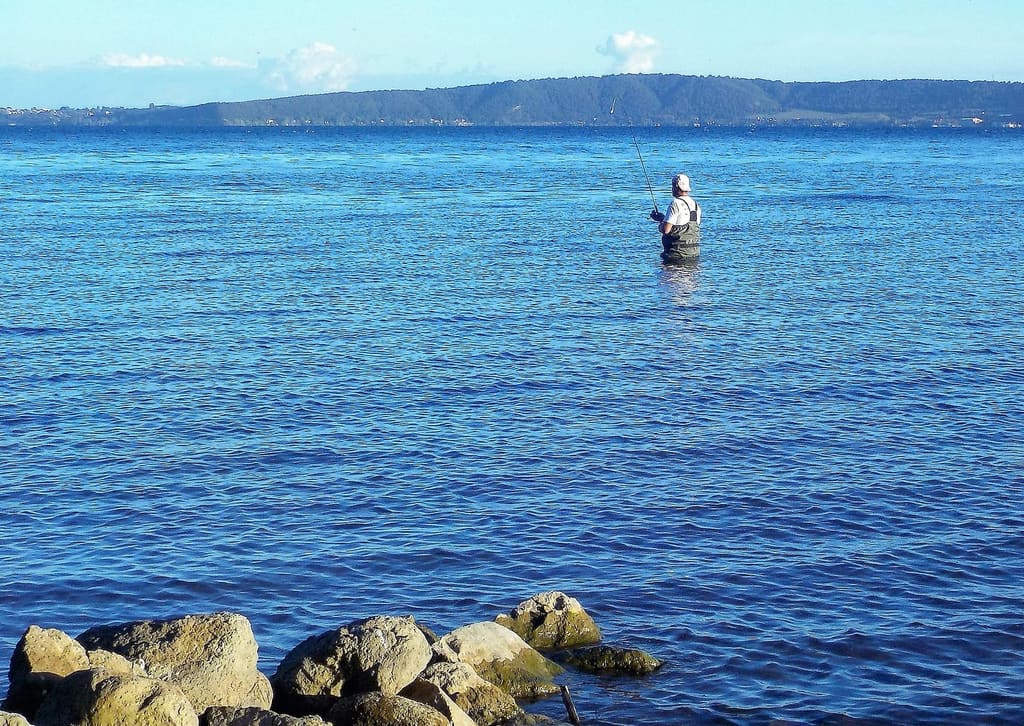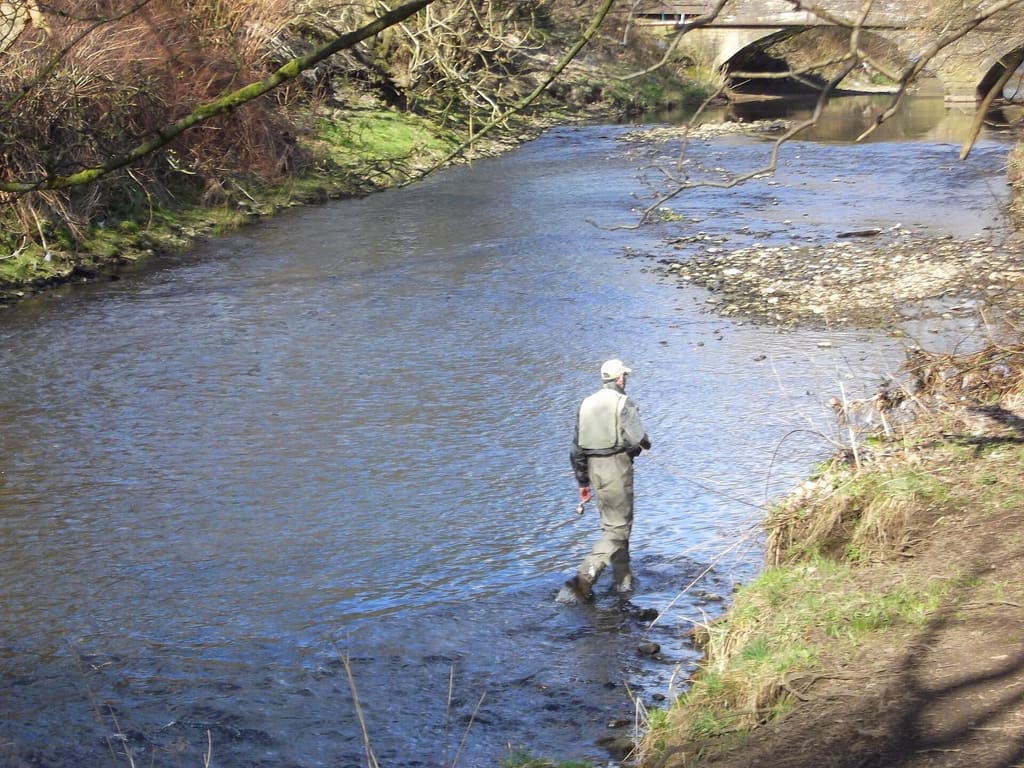
Every time you step onto a bank or push a boat off the ramp, you become part of something bigger than your own catch. The fish you release, the trash you pick up, and the rules you follow all add up to the health of the water you love. Good ethics are not about being perfect. They are about leaving the resource a little better than you found it, every single trip.
The encouraging part is that responsible angling is mostly common sense paired with a few simple habits. Once these become automatic, you will fish with more confidence and feel good about every fish you bring to hand.
Why Conservation Matters to You
It is tempting to think one angler cannot make a difference, but fishing pressure adds up fast. Popular lakes and rivers see thousands of anglers every season. If each person keeps too many fish, leaves line on the bank, or spreads invasive species, the fishery declines for everyone, including you next year.
Conservation is also self-interest in the best sense. Healthy populations of fish mean better fishing, more trophy-sized adults, and waters your kids can enjoy decades from now. When you fish ethically, you are protecting your own future trips.
Catch and Release Done Right
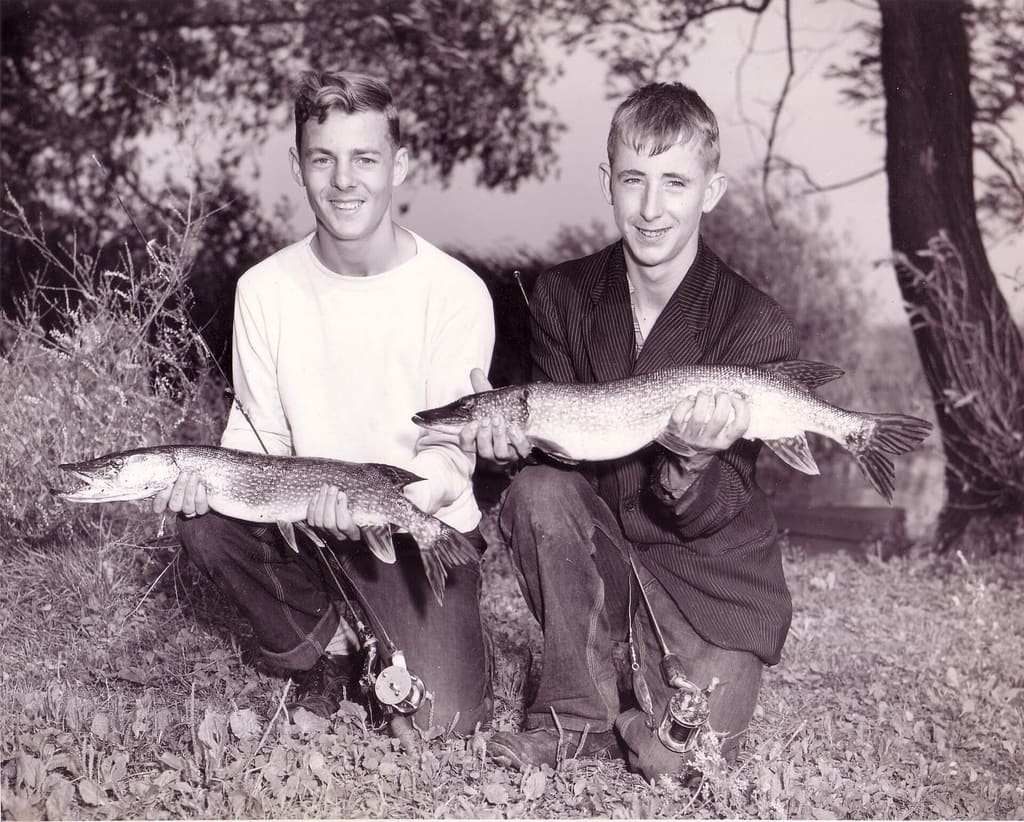
Releasing a fish is not the same as releasing it alive. How you handle a fish in those first 60 seconds decides whether it swims off strong or dies later from stress. The goal is to minimize air exposure, handling, and time out of the water.
Follow these core handling steps:
- Pinch down your barbs or use barbless hooks so you can remove them quickly.
- Wet your hands before touching the fish to protect its slime coat, which guards against infection.
- Keep the fish in or over the water, and limit air exposure to about 10 seconds, roughly the time you can comfortably hold your own breath.
- Support the fish horizontally with two hands. Never hold it vertically by the jaw alone, especially heavier fish.
- Use needle-nose pliers or a hook remover to back the hook out cleanly.
- If the fish is exhausted, cradle it upright in the water facing into the current until it kicks free on its own.
Gear Choices That Help Fish Survive
Your tackle matters before you ever set the hook. Circle hooks tend to lodge in the corner of the mouth instead of the gut, which dramatically improves survival on released fish. A landing net with rubber or knotless mesh is gentler on slime and fins than old-style knotted nylon. And matching your line strength to the fish means shorter fights, which leaves the fish with more energy to recover.
Keeping Fish Responsibly
Catch and release is a great tool, but keeping a few fish for the table is a perfectly ethical part of the tradition. The key is selectivity and restraint. Many fisheries are healthiest when anglers keep moderate-sized fish and release the largest breeders, which produce far more eggs than smaller adults.
When you do keep fish:
- Keep only what you will actually eat, and never more than the legal limit.
- Dispatch kept fish quickly and humanely rather than letting them slowly suffocate.
- Put them on ice right away to preserve quality and respect the animal.
- Consider releasing the giants and keeping mid-sized fish, a practice sometimes called slot management that many regulations now require.
Protecting the Water and Habitat
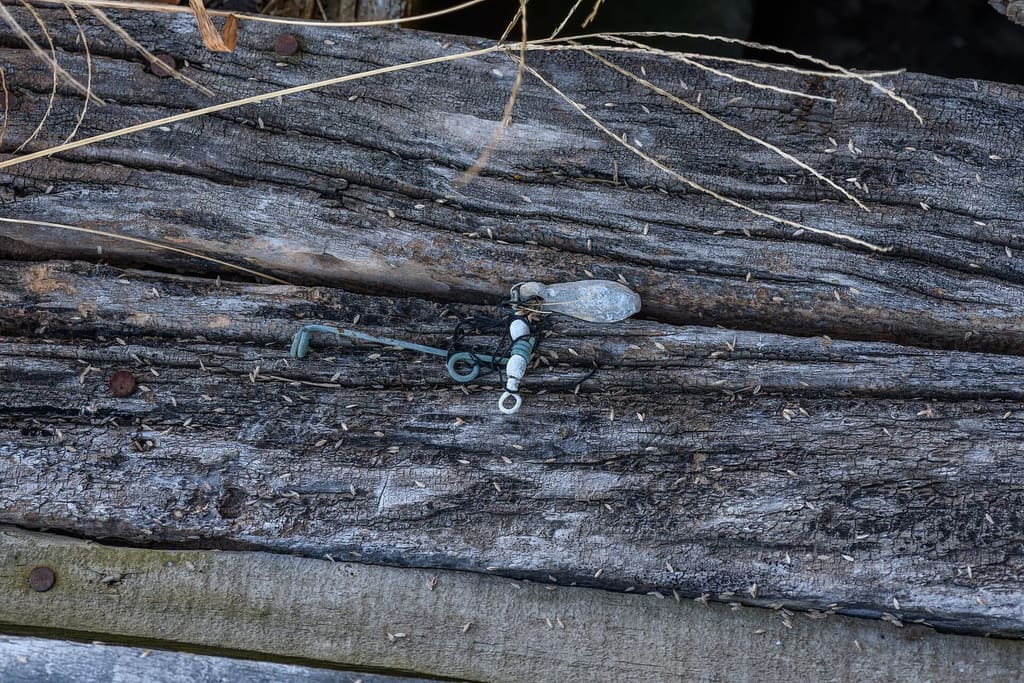
The fish depend on clean, healthy habitat, and small careless acts do real damage. Discarded monofilament line is one of the worst offenders. It does not break down for hundreds of years and routinely entangles birds, turtles, and other wildlife.
Build these habits into every trip:
- Pack out every scrap of line, bait packaging, and trash, and grab any litter others left behind.
- Look for monofilament recycling bins at boat ramps, or cut old line into short pieces before disposing of it.
- Avoid trampling spawning beds, the clean gravel nests you may see in shallows during spawning season.
- Use lead-free weights where available, since waterfowl and loons can be poisoned by ingested lead sinkers.
Stop the Spread of Invasive Species
Invasive species like zebra mussels, hydrilla, and certain crayfish hitchhike from one water to another on boats, trailers, waders, and gear. Once established, they crowd out native fish and can ruin a fishery permanently. The fix is a simple routine every angler should adopt.
Remember the phrase clean, drain, dry:
- Clean all mud, plants, and debris off your boat, trailer, waders, and boots before you leave the launch.
- Drain every drop of water from the live well, bilge, motor, and bait buckets.
- Dry your gear completely before fishing a new body of water, or disinfect it if you cannot wait.
Respect for Other Anglers and the Land
Ethics extend to the people around you, too. A crowded fishing spot stays pleasant when everyone gives each other room. Do not crowd a bank angler or troll through water someone is actively casting to. A friendly nod and a respectful distance go a long way.
Respect access as well. Honor private property lines, use designated parking and trails, and leave gates as you found them. Anglers who treat landowners well keep access open for the whole community. The same goes for noise, music, and cleanup at the ramp. How you act reflects on every angler who comes after you.
Final Thoughts
Responsible angling is a set of small choices that protect the sport you love. Wet your hands, handle fish gently, keep only what you need, pack out your trash, clean your gear, and respect the people and places that make fishing possible. None of it is complicated, and all of it makes you a better angler. Practice these habits until they are second nature, and you will help ensure that the water rewards anglers for generations to come.