Ask ten experienced anglers about barometric pressure and you will get ten slightly different answers, but almost all of them agree on one thing: the weather changes how fish behave. The hard part is separating what actually matters on the water from old tackle-shop folklore. Pressure does play a role, but it rarely works alone, and it is easy to overstate its importance.
This guide explains what barometric pressure is, how it plausibly affects fish, and how to use the trend in your favor. The goal is not to chase a magic number. It is to read the overall weather pattern so you fish harder when conditions favor you and adjust your approach when they do not.
What Barometric Pressure Actually Is
Barometric pressure, also called atmospheric pressure, is the weight of the air pressing down on everything below it, including the surface of the water. It is commonly measured in inches of mercury (inHg) or in millibars (hPa). At sea level, pressure hovers around 29.92 inHg, or about 1013 hPa.
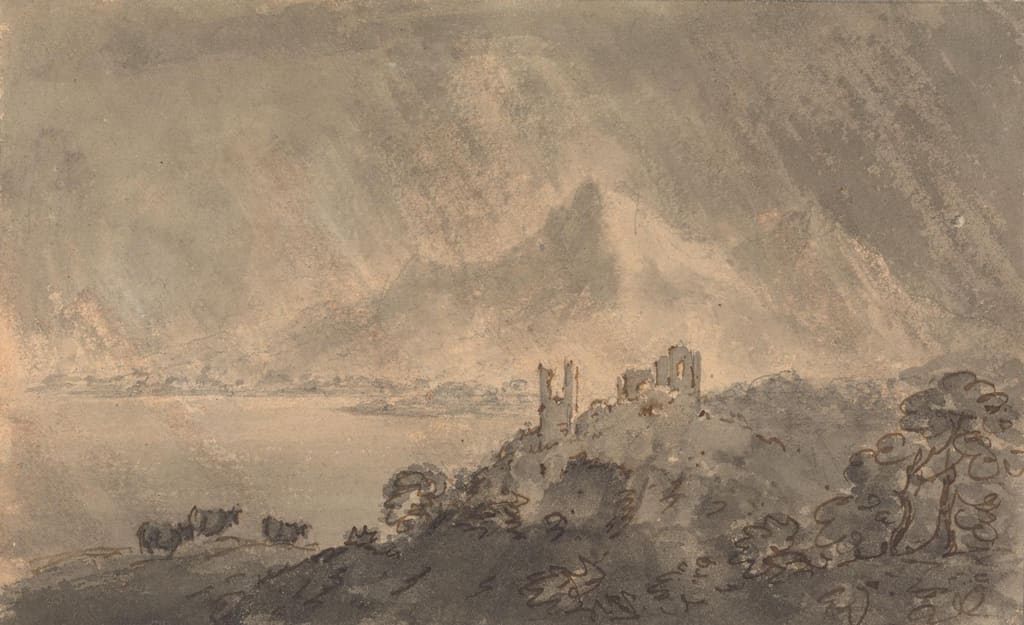
Pressure rises and falls as weather systems move through. A high-pressure system usually brings clear, calm, stable skies. A low-pressure system brings clouds, wind, and storms. The number itself matters less than the direction it is heading:
- Rising pressure: a system is clearing out, often after a front passes.
- Falling pressure: a system is approaching, often ahead of a storm or front.
- Steady pressure: conditions are stable, for better or worse.
For fishing, the trend over hours and days tells you more than any single reading.
How Pressure May Affect Fish
This is where honesty helps. The exact mechanism is not fully settled by science, and much of what anglers believe is based on observation rather than controlled study. Still, a few explanations are widely accepted and biologically reasonable.
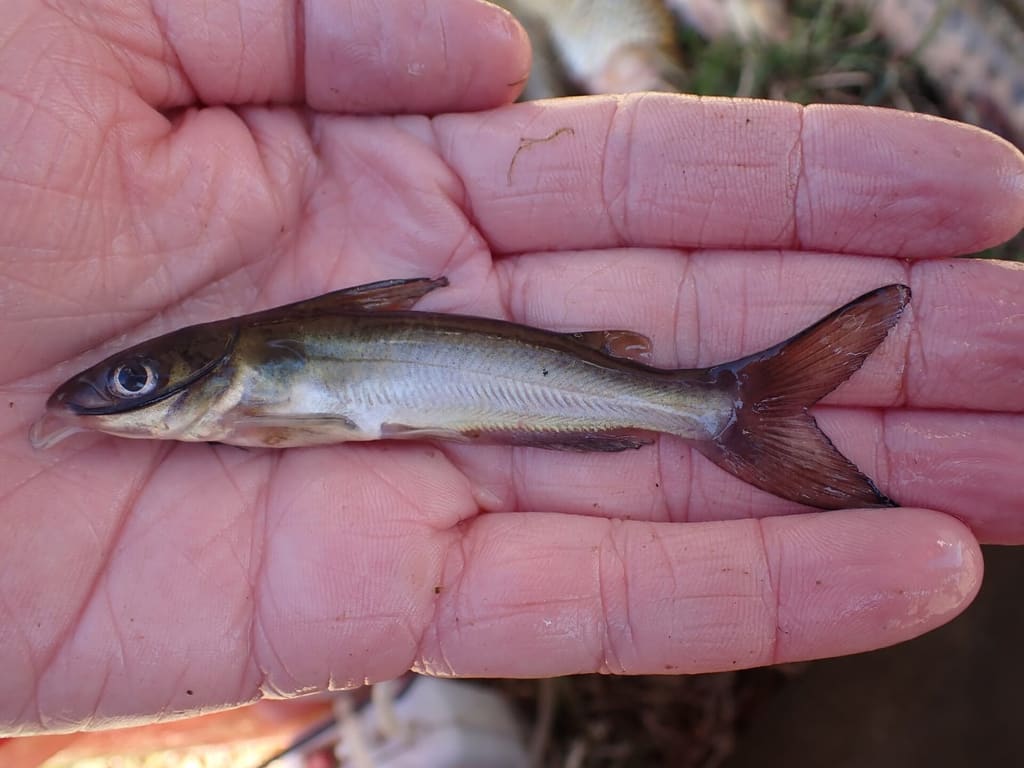
Fish have a swim bladder, a gas-filled organ that controls buoyancy. When atmospheric pressure changes, the pressure on that bladder changes slightly. Many anglers believe fish feel this and may become more or less comfortable, especially species with larger swim bladders. Bottom-dwelling species and those without prominent swim bladders, such as catfish, are thought to be far less sensitive to these shifts.
There is also an indirect effect that is easier to defend. Pressure changes come bundled with other conditions that genuinely matter:
- Cloud cover, which reduces light and can spread fish out from cover.
- Wind, which stirs the water column and pushes baitfish around.
- Changing light levels, which influence when predators feed.
So when fishing improves before a storm, it is hard to say how much is the pressure itself and how much is the cloud, wind, and falling light that arrive with it.
The Falling Pressure Feeding Window
The single most useful pattern to know is this: fishing is often best when pressure is falling, just before a front arrives. As clouds build and the wind picks up ahead of a storm, fish frequently feed aggressively. Many anglers consider these few hours among the most productive of any week.
The likely reason is a mix of factors all lining up at once. Falling light makes predators bolder, wind activates the food chain, and the dropping pressure may prompt fish to feed before the system settles in. Whether or not the fish know a storm is coming, the bite tends to turn on.
Practical takeaway: if you can only fish a short window, aim for the hours before an approaching front, not the bluebird day after it passes.
The High Pressure Slowdown
After a front passes, pressure rises and the sky often turns clear and bright. This post-front, high-pressure period is commonly the toughest fishing of the cycle. Anglers call it the bluebird day problem: gorgeous weather, dead water.
Fish frequently become sluggish and tight to cover under these conditions. They may pull deep, bury in vegetation, or sit close to structure and refuse to chase. It does not mean fishing is hopeless. It means you need to change tactics.
When pressure is high and stable, try this:
- Slow down. Use a slower presentation and give fish more time to commit.
- Downsize baits and lighten your line for a more natural look.
- Fish tight to cover and structure where fish are holding.
- Target deeper water or shade, where fish often retreat from bright light.
- Focus on the lowest light periods, early morning and late evening.
Reading the Trend, Not the Number
You do not need an expensive barometer. Most smartphone weather apps and marine forecast services report pressure and its trend, and many fish finders display it as well. What you want is the direction and the rate of change.
A simple framework many anglers use:
- Falling pressure ahead of a front: expect an active bite, fish faster and more aggressively.
- Steady low pressure during stable cloudy weather: often solid, comfortable fishing.
- Rising pressure right after a front: expect a slow bite, downsize and slow down.
- Steady high pressure after several stable days: fish often re-adjust, the bite can recover.
That last point matters. The post-front shutdown does not last forever. After a couple of stable high-pressure days, fish acclimate and resume feeding on a more normal schedule. The worst window is usually the first day after the front, not the third or fourth.
Species and Setting Differences
Pressure sensitivity is not uniform. Shallow-water species in clear lakes tend to react more to weather swings than deepwater or bottom-oriented species, partly because shallow fish experience bigger swings in light and wind.
- Bass, panfish, and other shallow predators often show clear pre-front and post-front behavior.
- Catfish and other bottom feeders tend to be less affected and remain catchable in high pressure.
- Deep-water fish in stable, deep environments feel smaller relative pressure swings and may shrug off changes that scatter shallow fish.
Saltwater anglers feel weather effects too, but tide and current usually dominate over barometric pressure. In moving water and along the coast, focus first on the tide stage and bait movement, then treat pressure as a secondary factor.
A Simple Game Plan
You do not need to overthink this. Build your trip around the trend and stay flexible.
- Check the pressure trend along with the full forecast a day or two out.
- Prioritize the hours before an approaching front when you can.
- On bright, high-pressure post-front days, slow down, downsize, and fish cover.
- Keep a simple log of pressure, conditions, and your catch over a season.
That log is the real edge. Patterns on your home water will teach you more than any general rule, and over time you will learn how your fish respond to local weather.
Final Thoughts
Barometric pressure matters, but it is one piece of a larger weather puzzle. The most reliable lesson is to fish the falling pressure ahead of a front and to adjust your tactics when high pressure shuts the bite down. Pay attention to the trend, respect your safety in severe weather, and let your own records refine the rules for your water. Do that consistently and you will spend more time fishing when the odds are in your favor.