Few freshwater fish reward patience and preparation like catfish. They run big, fight hard, feed in conditions that send other anglers home, and live in nearly every river, lake, and reservoir across the country. The trouble is that “catfish” covers three very different fish, and treating a channel cat like a flathead is a fast way to spend a quiet night holding a dead rod.
This guide breaks down the three species worth chasing, the rigs and baits that actually produce, and the location reads that put your bait where the fish are feeding. Whether you are soaking cut bait off a riverbank or anchoring over a deep hole at midnight, the goal is the same: fewer wasted nights and more bent rods.
Know Your Three Catfish
The first skill in catfishing is knowing which fish you are after, because their habits diverge sharply.
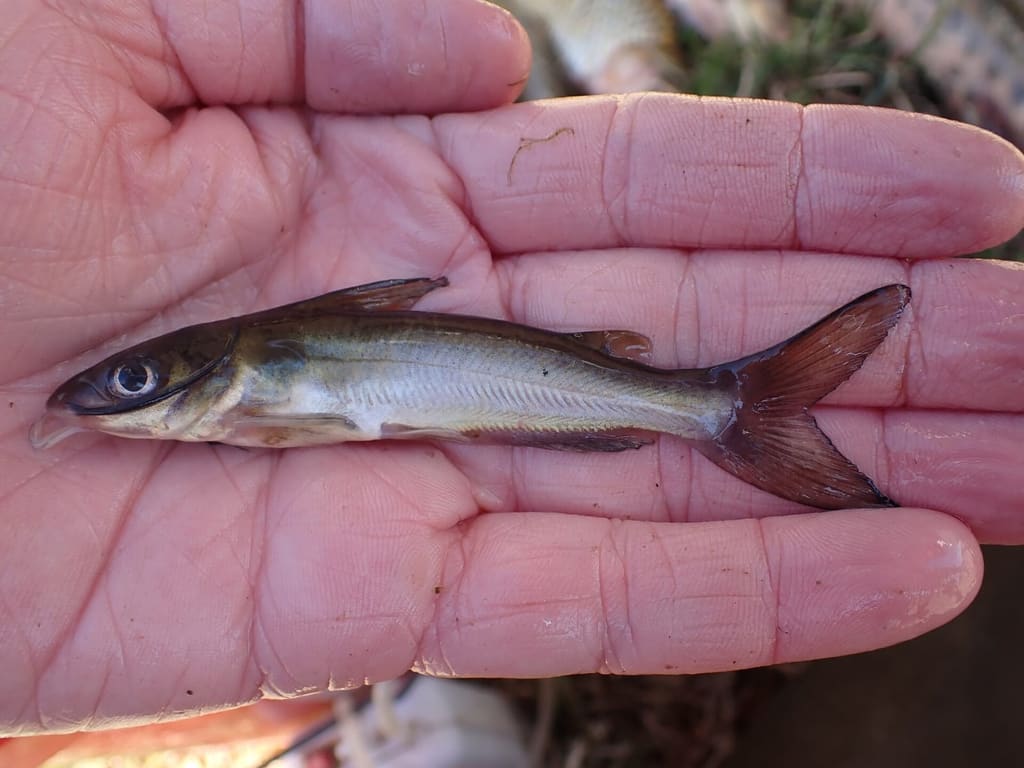
- Channel catfish are the generalists and the most widespread. They eat almost anything, scavenge readily, and thrive in rivers, lakes, ponds, and reservoirs. Most run 2 to 10 pounds, with bigger fish possible. They are the best target for a new catfish angler.
- Blue catfish are open-water predators that grow huge, with fish over 50 pounds common in good systems. They favor large rivers and reservoirs, roam current seams and main-river structure, and feed heavily on fresh cut bait and live shad.
- Flathead catfish are ambush predators that strongly prefer live prey. They hold tight to cover such as logjams, undercut banks, and deep timber, and they hunt at night. Flatheads are the species that turns a cut-bait soak into a slow night, because they want something alive.
Match the Bait to the Fish
Bait selection is where most catfish trips are won or lost. Match it to the species and the season.
For channel catfish
Channels are scavengers, so smell and presentation matter more than freshness. Strong producers include:
- Cut bait from shad, skipjack, or bluegill where legal
- Chicken liver, fished in a mesh bag or on a treble to keep it on the hook
- Prepared dip and punch baits in warm water
- Nightcrawlers and shrimp for smaller fish and tough bites
For blue catfish
Blues want fresh and bloody. Cut shad, skipjack, or herring fished fresh that day will out-produce frozen bait by a wide margin. Use a big chunk on a big hook and do not be shy about size. A small blue will still eat a half-shad, and the big one you want will pass on a tiny piece.
For flatheads
Live bait, full stop. Big live bluegill, green sunfish, or large shiners where legal are the standard. A lively bait fished near heavy cover is what triggers a flathead. Dead and cut baits will occasionally fool one, but you are fishing against their instinct.
Rigs That Catch Fish
You do not need a tackle box full of exotic rigs. Three setups cover almost every catfishing situation.
- Slip sinker (Carolina) rig. An egg sinker above a swivel, then a leader to a circle hook. The line slides through the weight so a fish feels little resistance when it picks up the bait. This is the all-purpose rig for still water and gentle current.
- Three-way rig. A three-way swivel with a dropper line to the sinker and a leader to the hook. It keeps bait just off bottom and is the go-to for current, where you want the bait held in place but presented naturally.
- Slip bobber rig. A bobber stop, bead, slip float, and hook. Ideal for suspending live bait near cover for flatheads, or floating cut bait over a snaggy bottom you cannot fish on the deck.
Use circle hooks for most catfishing. They hook fish in the corner of the mouth as the fish moves off, which improves landing rates and makes release far healthier. Do not set the hook hard with a circle hook. Let the rod load up and reel into the fish.
Reading the Water
Bait and rigs do not matter if you put them where the fish are not. Each species gives you a different location read.
Channels scatter and feed actively, so look for food and current breaks. Flats adjacent to deeper water, creek mouths, inflows after rain, and the downstream side of structure all concentrate feeding channels. They roam, so if you get no bites in 30 to 45 minutes, move.
Blues relate to main-river current and depth. Find current seams, deep holes, channel ledges, and humps where moving water delivers food. In reservoirs, look for blues following shad. They will suspend, so do not assume every fish is glued to the bottom.
Flatheads live in cover. Logjams, deep timber, undercut banks, and the deepest holes in a river bend are prime. Fish your live bait at the edge of the cover, not buried in the worst of it, so you have a fighting chance of pulling the fish out.
Timing and Conditions
Catfish feed best when many other fish shut down, which is part of their appeal.
- Night is prime time across all three species in summer, especially for flatheads. The bite often turns on at dusk and runs into the dark.
- Warm water drives aggressive feeding. Late spring through early fall is the heart of the season.
- Rising or stained water after rain often triggers strong feeding as current washes food into the system. A muddy river spike is a green light, not a reason to stay home.
- Stable warm weather keeps fish predictable. A sharp cold front can slow the bite for a day or two.
In winter, blues remain catchable in deep holes and become a cold-weather specialty, while channels and flatheads slow considerably.
Gear and Landing
You do not need a boat to catch quality catfish, but you do need tackle that can handle them. A medium-heavy rod, a reliable baitcaster or spinning reel, and 20 to 50 pound line cover most situations. Step up the line and rod power if you are targeting trophy blues or flatheads near heavy cover, where you must turn a big fish fast.
Bring a long-handled net or a good grip, and learn to handle catfish safely. The pectoral and dorsal spines can deliver a painful puncture. Grip a smaller fish from behind the pectoral fins, support larger fish horizontally, and never hold a big catfish vertically by the jaw, which can injure the fish.
Final Thoughts
Catfishing rewards anglers who match their approach to the fish in front of them. Scavenge for channels with cut bait and dip baits, feed blues fresh and bloody chunks on main-river structure, and tempt flatheads with lively bait tucked against heavy cover. Add a slip sinker rig, a three-way rig, a slip bobber, and a handful of circle hooks, and you are equipped for almost any catfish water in the country. Pick your spot, fish the conditions other anglers avoid, and give it time. The next bite could be the biggest fish of your season.