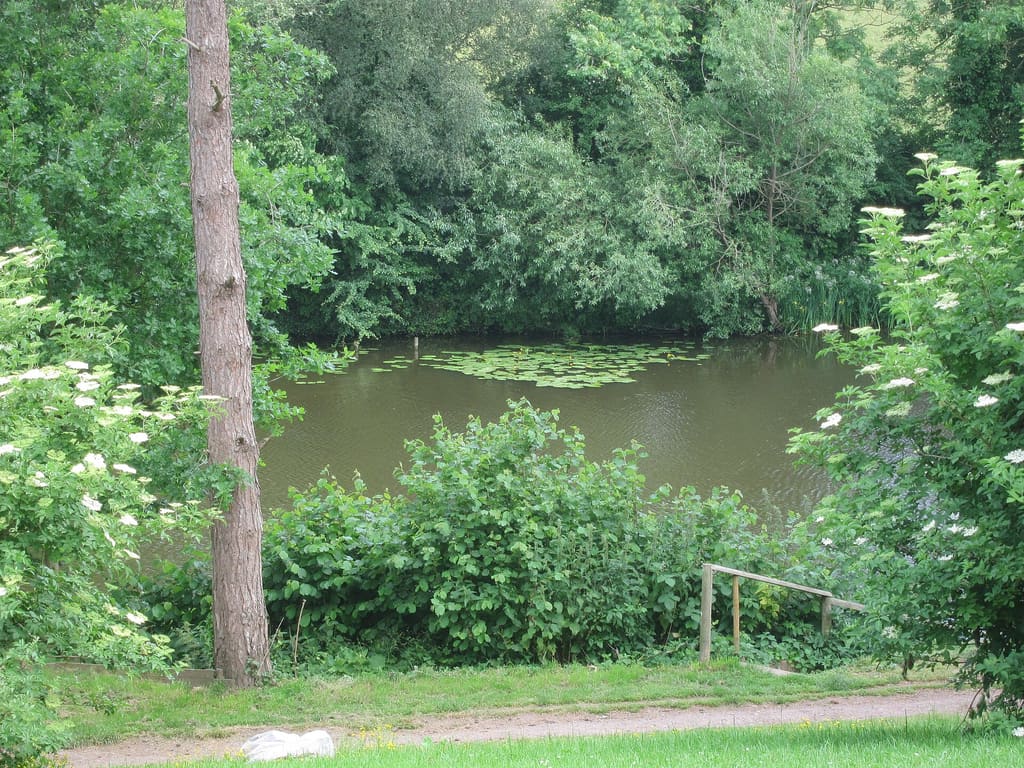
Every angler knows the feeling. You picked a good spot, tied on a lure you trust, and made cast after careful cast - and nothing. The water looks fishy, the morning is pretty, and yet the rod tip never twitches. It is one of the most common and most frustrating experiences in fishing, and it happens to beginners and experts alike.
The good news is that a slow bite is almost never random. Fish are simple animals reacting to conditions you can read and adjust to. This guide walks through the real reasons fish stop feeding and gives you concrete changes to make on the water, so you spend less time wondering and more time catching.
Start With the Obvious: Are Fish Even There?
Before blaming the weather or your lure, ask whether fish are actually in front of you. You can present a perfect bait to empty water all day and never get bit. This is the most overlooked reason for a dead rod.
Fish move with the seasons, the time of day, and the food supply. The spot that produced last month may be empty now because the bait moved, the water warmed, or spawning pulled fish elsewhere.
- Look for signs of life: surface swirls, jumping baitfish, diving birds, or nervous water.
- Check structure and cover. Fish relate to drop-offs, weed edges, points, rocks, and timber rather than open featureless water.
- If a spot is dead after a reasonable effort, move. Covering water is how you find the fish that want to eat.
A simple rule: spend roughly 15 to 20 minutes proving a spot before you relocate. If you have no follows, taps, or sightings, the fish are probably somewhere else.
Weather and Barometric Pressure
Weather is the single biggest variable most anglers feel but struggle to read. Fish are sensitive to changes in light, pressure, and temperature, and their feeding mood shifts with the sky.
- Stable weather tends to mean predictable feeding. A few days of consistent conditions usually settle fish into a routine.
- A front moving in often triggers a strong feeding window just before it arrives. This is frequently the best bite of the week.
- The day after a cold front - bluebird skies, high pressure, light winds - is notoriously tough. Fish pull tight to cover and feed less.
- Overcast and light rain can be excellent. Lower light makes fish bolder and extends the active period through midday.
You cannot change the weather, but you can change how you fish it. On a tough post-front day, slow down, fish smaller baits, and put your offering right on the fish’s nose in heavy cover. On a low-light day, get more aggressive and cover water.
Water Temperature and Oxygen
Fish are cold-blooded, so water temperature controls their metabolism and appetite directly. Each species has a comfort range where it feeds hardest.
- When water is too cold, fish become sluggish and digest food slowly. They still eat, but they want a slow, easy meal and will not chase.
- When water is too warm, oxygen levels drop, especially in summer. Fish get lethargic, move to deeper cooler water, or stack up near inflows, springs, and shaded areas.
A small thermometer is one of the cheapest tools that will change your results. Once you know the temperature, you can pick the right depth and speed.
- Cold water: fish deep and slow, with subtle presentations and long pauses.
- Warm water: fish early and late, target shade and current, and look for cooler, more oxygenated zones.
Timing: The Right Hours Matter
Fish do not feed around the clock. Most species have peak windows, and fishing the wrong hours is a common reason for a quiet day even when everything else is right.
- Dawn and dusk are reliably productive across most freshwater and saltwater species. Low light brings predators out to feed.
- Midday in bright sun is often the slowest stretch, particularly in clear, shallow water.
- Tides rule saltwater fishing. Moving water - the hours around an incoming or outgoing tide - usually beats slack water by a wide margin.
- Night can be excellent in summer for species like catfish, walleye, and striped bass.
If you can only fish midday, do not despair - just adjust. Fish deeper, shadier, and slower, and match the conditions rather than fighting them.
Presentation: Lure, Bait, and How You Work It
When fish are present and the conditions are reasonable but you still are not getting bit, the problem is usually presentation. This is the area you have the most control over, so it is worth methodical experimenting.
Match the Forage
Fish key on whatever they are eating. If the lake is full of small shad, a giant bait can look unnatural. Observe what is in the water and try to match its size, color, and action.
Adjust Speed and Depth
This is the most common fix of all. Fish are often holding at a depth you are not reaching, or they want the bait moving faster or slower than you are working it.
- Change your retrieve speed first - slow down on tough days, speed up when fish are active.
- Add pauses. Many strikes come on the fall or during a dead stop.
- Get to the right depth. A lure swimming three feet over the fish will be ignored all day.
Downsize and Lighten Up
When the bite is finicky, smaller baits and lighter line often turn the tide. Clear water and pressured fish call for finesse. A lighter leader, a smaller hook, and a more natural offering can make the difference between watching and catching.
Fishing Pressure and Spooked Fish
Heavily fished water produces cautious fish. On a popular weekend lake or a well-known bank, the fish have seen every common lure and learned to avoid careless anglers.
- Be quiet. Avoid stomping the bank, slamming hatches, or casting a shadow over shallow fish.
- Lengthen your casts and use lighter, less visible line.
- Try something different from what everyone else is throwing. An unusual color or a downsized bait can stand out.
- Fish the spots others skip - the awkward bank, the far corner, the snag-filled cover.
Early morning, weekdays, and bad weather all reduce competition and tend to produce less-pressured, more willing fish.
A Quick Troubleshooting Checklist
When nothing is working, run through this in order before giving up:
- Are there signs of fish here? If not, move.
- What did the weather do in the last 24 hours? Adjust aggression to match.
- What is the water temperature? Pick the right depth and speed.
- Is this a peak feeding window or a slow one? Fish accordingly.
- Am I at the right depth? Most missed fish are a depth problem.
- Have I tried slowing down, adding pauses, or downsizing?
- Could pressure be the issue? Go quieter, lighter, and different.
Final Thoughts
A slow day is not bad luck - it is a puzzle with readable clues. The fish are responding to where the food is, what the weather is doing, how warm the water is, and what time it is. Your job is to read those signals and adapt: move to find fish, match your aggression to the conditions, get to the right depth, and refine your presentation one change at a time.
Do that consistently and the tough days get rarer. Even better, you will start to understand why the good days were good - and that knowledge is what turns a beginner into a confident angler.