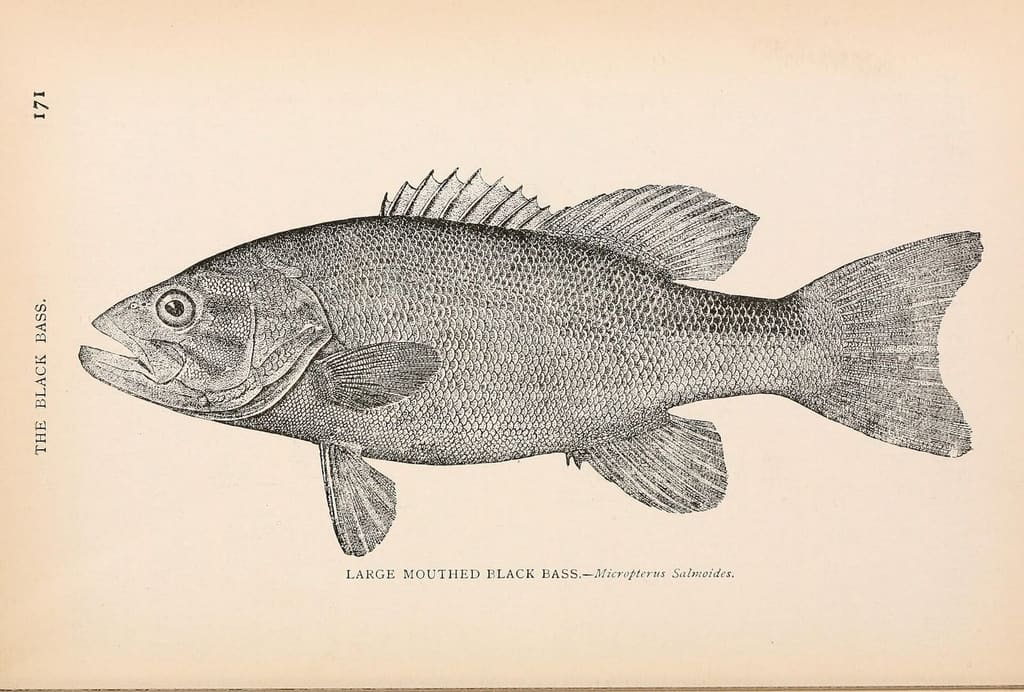
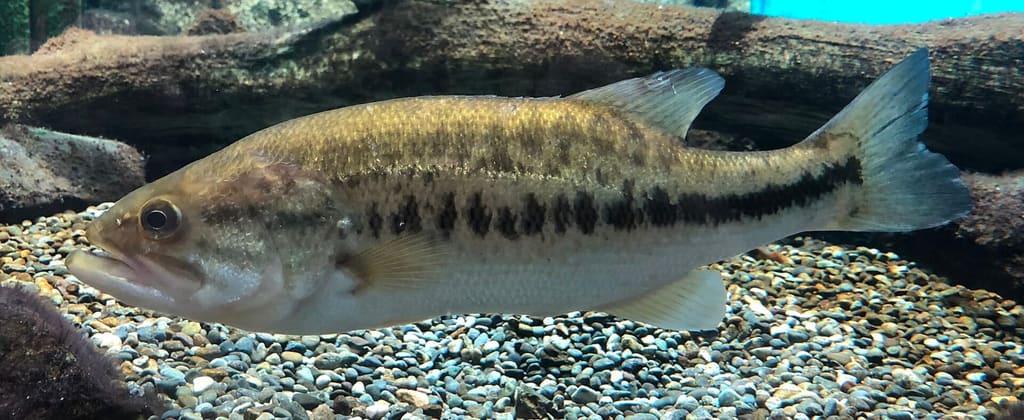
Largemouth bass are the perfect fish to learn on. They live in nearly every pond, lake, and slow river across North America, they hit a wide range of lures, and they fight hard enough to make a beginner feel like a pro. You do not need a boat, a tackle box full of gear, or years of experience to catch them.
What you do need is a basic understanding of where bass hide, what makes them bite, and a few lures you can throw with confidence. Get those right and you will start putting fish in hand instead of just casting and hoping.
Understand How Largemouth Behave
Largemouth bass are ambush predators. They do not chase food across open water for long. Instead, they tuck against cover, wait for a meal to swim past, and explode on it. Almost everything about catching them comes back to this one habit.
That means your job is to put a lure near cover and make it look like easy prey. A few things to keep in mind:
- Bass relate to structure and cover. Structure is the shape of the bottom (points, drop-offs, humps). Cover is the stuff they hide in (weeds, docks, laydowns, rocks).
- Water temperature drives their activity. In spring and fall they move shallow and feed aggressively. In the heat of summer and the cold of winter they often hold deeper or get sluggish.
- Low light helps. Early morning, late evening, and overcast days usually produce better than bright midday sun.
Read the Water and Find the Spots
Walk up to any pond or lake and you can find likely bass spots without a fish finder. Look for anything that breaks up open water:
- Weed lines and lily pads
- Fallen trees and submerged branches (laydowns)
- Docks and any shade they throw
- Points where the bank juts out into the water
- Rocky banks, riprap, and culverts
- Any sudden change in depth or bottom type
Bass also love edges. The line where weeds meet open water, where shade meets sun, or where shallow meets deep is exactly the kind of ambush point they sit on. Fish those edges before you fish open water.
Build a Simple Starter Kit
You can catch plenty of bass with one rod and a small handful of lures. Overbuying gear is the most common beginner mistake. Start here:
- Rod and reel: A 7-foot medium-power spinning combo. It handles most lures, casts easily, and forgives beginner mistakes.
- Line: 10 to 12 pound monofilament to start. It is cheap, easy to tie, and floats, which works for most beginner lures.
- Hooks and weights: A pack of 3/0 offset worm hooks and a few bullet weights for soft plastics.
- A few proven lures (covered in the next section).
That is enough to fish confidently. Add gear later as you learn what you actually use.
Pick a Few Lures That Catch Fish
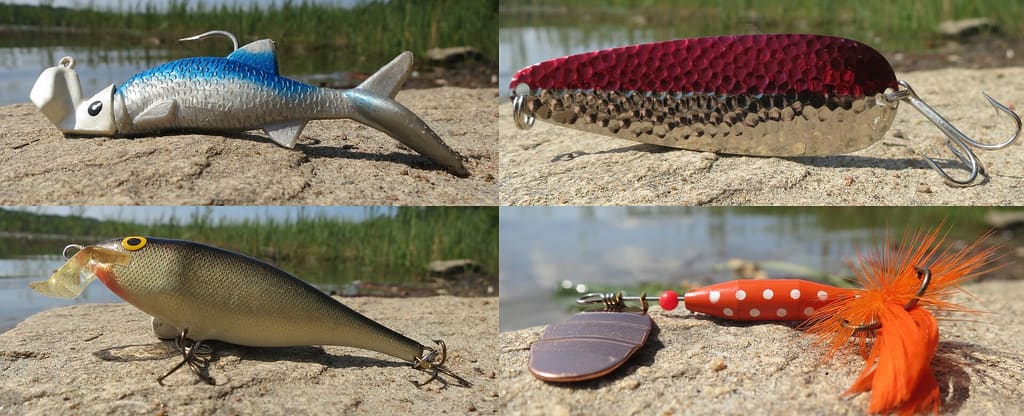
You do not need fifty lures. You need a handful that cover shallow, mid, and weedy water. These four will catch bass almost anywhere:
Soft plastic worm (Texas rig)
The single best beginner lure. Rig a 4 to 6 inch plastic worm weedless on an offset hook with a bullet weight, cast it near cover, and drag it slowly along the bottom. When you feel a tap or extra weight, reel down and set the hook. Green pumpkin and black-blue are reliable colors.
Spinnerbait
A flashy, weedless lure you can just cast and reel. It covers water fast and is great for finding active fish along weed lines and laydowns. White or white-chartreuse is a good all-around choice.
Lipless crankbait or squarebill
A reaction bait that wobbles and rattles on a steady retrieve. Excellent in spring and fall when bass are chasing baitfish in shallow water.
Topwater (frog or popper)
The most fun way to catch bass. Worked over pads and weeds early and late in the day, a topwater draws explosive strikes. The hardest part is waiting until you feel the fish before setting the hook.
Cast, Retrieve, and Set the Hook
Presentation matters more than the exact lure. A few habits will dramatically raise your catch rate.
- Cast past the target. Land your lure a few feet beyond the cover and bring it through the strike zone, rather than dropping it right on top and spooking the fish.
- Slow down. Beginners almost always retrieve too fast. With worms especially, slower is better. Let it sit, twitch it, let it sit again.
- Stay in contact with your lure. Keep a slightly tight line so you can feel the subtle “tick” of a bite. Many bass bites feel like a soft tap or just added weight, not a hard jerk.
- Set the hook with authority. For soft plastics, reel up slack and sweep the rod hard to drive the hook home. For treble-hook lures like crankbaits, a firm steady pull is enough.
When you hook one, keep the rod up, keep steady pressure, and do not give slack. Largemouth jump and shake their heads to throw the hook, and a tight line keeps them buttoned.
Handle and Release Bass the Right Way
Most bass anglers practice catch and release, and healthy fish make for better fishing year after year. Handle them with care:
- Wet your hands before touching a bass to protect its slime coat.
- Hold smaller bass by gripping the lower lip with your thumb, with the fish hanging vertically.
- Support the belly with your other hand for larger fish to avoid stressing the jaw.
- Get the fish back in the water quickly, especially in warm weather.
Final Thoughts
Catching more largemouth comes down to fishing where they live, slowing down your presentation, and trusting a few proven lures. Start with a soft plastic worm worked slowly along cover, fish the low-light hours, and pay attention to where you get bites so you can repeat what works.
Every trip teaches you something. Keep a mental note of what depth, cover, and lure produced, and you will steadily turn good water into consistent fish. Now grab your rod and go find some edges.

)_(17526894953).jpg)