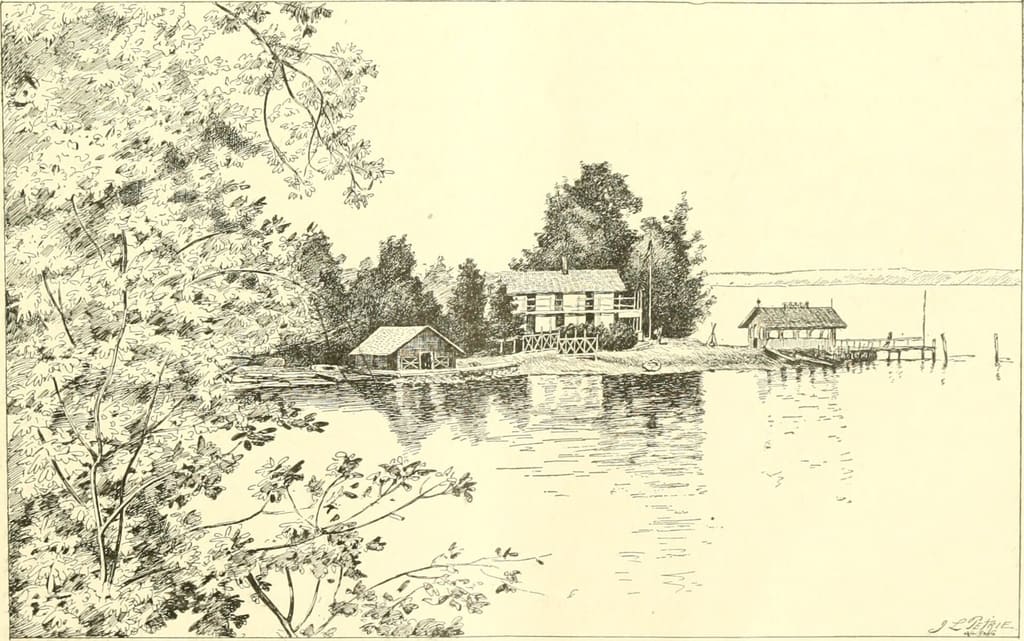
You do not need a boat to catch fish. Some of the most productive water on any lake, river, or pond is within a short cast of dry land, and bank fishing puts you right on top of it. Fish hold near shore far more often than beginners expect, especially in the early morning, in the evening, and during the spawn, when they move shallow to feed and breed.
Bank fishing is also the cheapest, simplest way to learn the sport. With one rod, a small box of terminal tackle, and an understanding of where fish live, you can be productive on day one. This guide walks you through reading the shoreline, choosing gear, rigging up, and the small habits that separate anglers who catch fish from those who just go casting.
Why Fish Hold Near the Bank
Fish are not scattered randomly across a body of water. They relate to structure (physical objects) and cover (places to hide), and a surprising amount of both sits within reach of shore. Banks naturally concentrate the things fish want: shade, ambush points, oxygen, and food washed in by wind and current.
Key reasons fish stay close to shore:
- Baitfish and insects gather in shallow, warmer water near the edge.
- Overhanging trees, docks, and weed lines provide shade and ambush cover.
- Wind pushes plankton and bait toward the downwind bank, and predators follow.
- Inflows, points, and drop-offs near shore funnel fish as they move and feed.
The takeaway: the bank is not a second-rate option. It is a front-row seat to where fish already are.
Reading the Shoreline
Before you cast, spend a few minutes looking. Learning to read water is the single biggest skill in bank fishing, and it costs nothing.
Look for these high-percentage features:
- Points and tapers. Land that juts into the water gives fish a path between deep and shallow zones. Cast along both sides.
- Cover. Laydowns (fallen trees), brush, docks, lily pads, and weed edges all hold fish. Fish tight to them.
- Depth changes. A spot where the bank drops off steeply usually means deeper water close in. These edges hold fish, especially in heat or cold.
- Inflows and outflows. Where a creek, culvert, or stream enters, you get fresh oxygen, food, and cooler water. These spots can be magnets.
- Wind-blown banks. A bank with waves lapping into it often out-fishes the calm side. Bait collects there.
Gear You Actually Need
You can overspend on bank fishing gear in a hurry. You do not need to. A single versatile setup covers most freshwater situations.
A practical beginner kit:
- Rod and reel. A medium-power, 6.5 to 7 foot spinning combo is the most forgiving all-around choice. It casts light and heavy baits and handles most freshwater species.
- Line. 8 to 12 pound monofilament is cheap, easy to tie, and floats well for many presentations. Step up to braid later if you fish heavy cover.
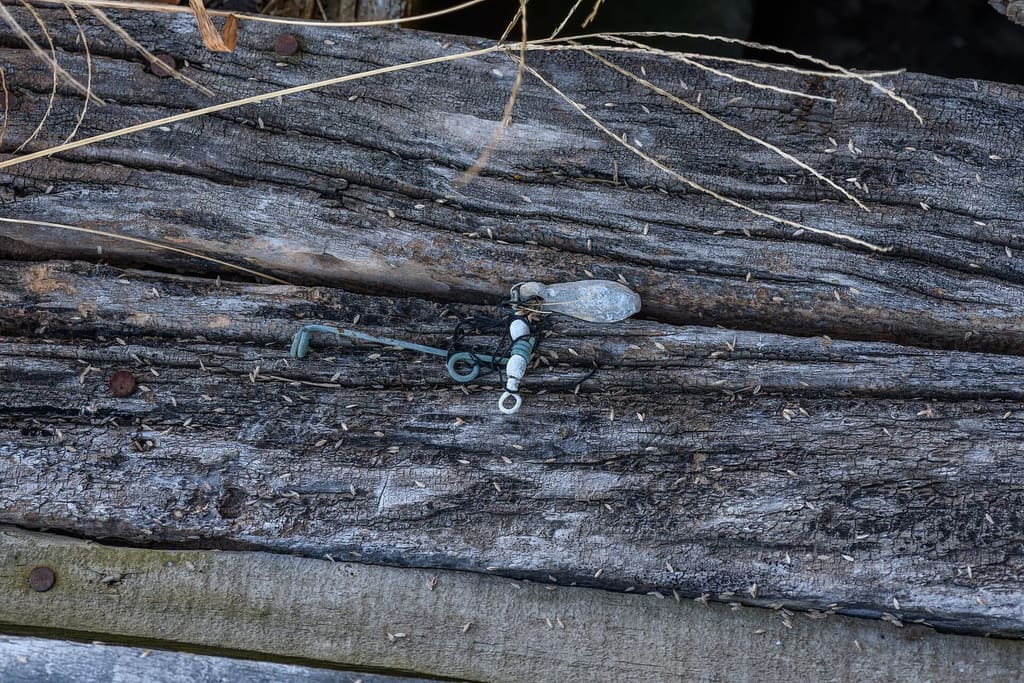
- Terminal tackle. A small assortment of hooks (sizes 2 through 8), split-shot weights, bobbers, and a few swivels covers most live-bait rigs.
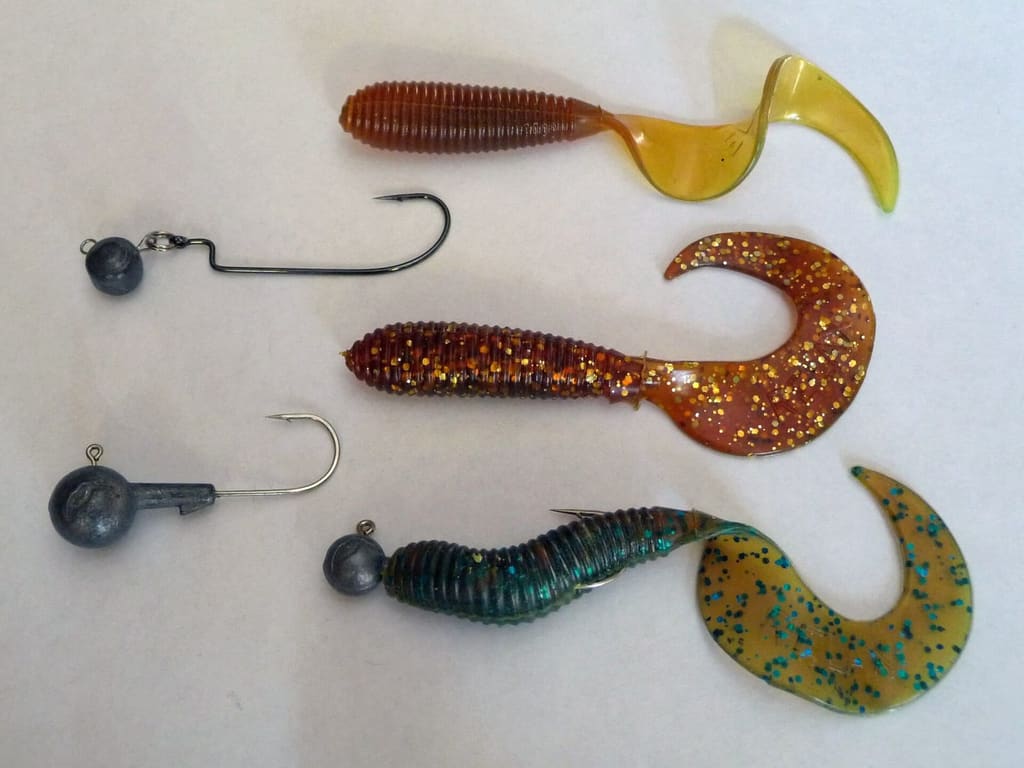
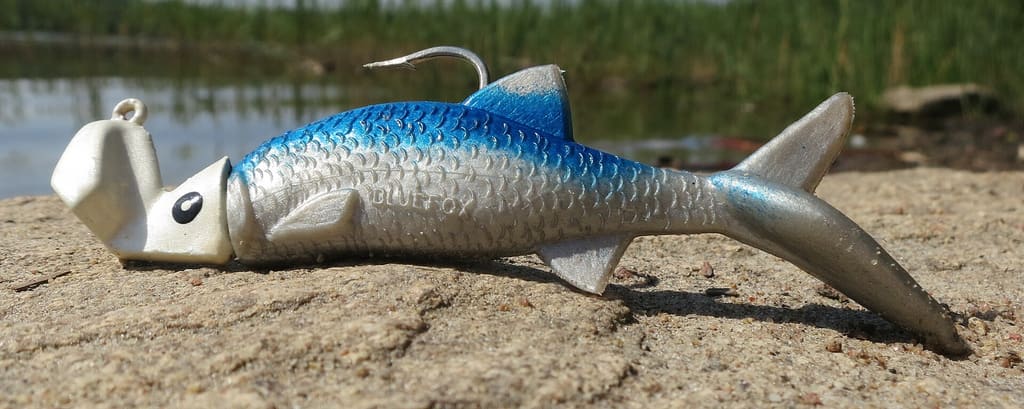
- A handful of lures. A few soft plastic worms, a couple of inline spinners, and one or two crankbaits will catch fish almost anywhere.
Keep it in a small backpack or a sling pack so your hands stay free. Bank fishing rewards mobility, and a heavy tackle bag kills it.
Simple Rigs That Catch Fish
You do not need complicated rigs. Three setups cover the vast majority of bank situations.
The Bobber Rig
The classic for a reason. Tie on a hook, pinch a split shot 12 to 18 inches above it, and clip a bobber at the depth you want to fish. Bait with a worm or minnow. The bobber suspends your bait off the bottom and signals bites instantly. This is the best rig for panfish, and it catches everything from bluegill to bass.
The Split-Shot Bottom Rig
When fish are holding deep or hugging the bottom, lose the bobber. Tie a hook, add one or two split shots about a foot up the line, and let the bait sink. Reel up slack until you feel a light tension, then watch your rod tip and line for movement. Great for catfish, carp, and bottom-feeding species.
The Weightless or Light Soft Plastic
Rig a soft plastic worm on a single hook with little or no weight and cast it near cover. Let it sink slowly, then twitch it back. This natural fall triggers bass and other predators. It is weedless enough to fish around laydowns and pads where fish hide.
Casting and Presentation From Shore
Casting from the bank has its own rhythm. You are often working parallel to cover instead of straight out into open water, and that changes how you approach a spot.
- Fish close first. Beginners cast as far as they can and reel right past fish sitting at their feet. Make your first casts short and parallel to the bank, then work outward.
- Cast past your target. Land the bait beyond the cover or fish, then bring it through the strike zone. This avoids spooking fish with the splash of the lure landing on their heads.
- Stay low and quiet. Fish in shallow water feel vibration and see movement against the sky. Keep your shadow off the water and avoid stomping on the bank.
- Cover water. If a spot does not produce in 10 to 15 minutes, move. Bank fishing is about going to the fish, not waiting for them to find you.
Timing, Weather, and Seasons
When you fish matters as much as where. The same bank can be dead at noon and loaded at dawn.
- Early and late. The first and last hours of light are prime. Fish move shallow to feed when the light is low.
- Overcast days. Clouds keep fish active and shallow longer, often making midday productive.
- Spring spawn. Many species move into shallow, near-shore water to spawn, putting them right in front of bank anglers.
- Summer heat. Fish move shallow at dawn and dusk and pull to deeper edges and shade in the middle of the day. Target inflows and drop-offs.
- Wind direction. Fish the bank the wind is blowing into. It is uncomfortable, but it concentrates bait and predators.
Safety and Etiquette
Bank fishing is low-risk, but a few habits keep it that way and keep shared spots pleasant for everyone.
- Watch your footing on wet, muddy, or rocky banks, and be cautious near steep drop-offs and fast current.
- Mind your backcast. Check behind you for people, trees, and power lines before every cast.
- Pack out everything, especially monofilament line, which is deadly to birds and wildlife.
- Give other anglers space, and do not crowd a spot someone is already working.
Final Thoughts
Bank fishing strips the sport down to its essentials: read the water, get a simple bait in front of fish, and stay mobile. You do not need expensive gear or a boat to be successful, you need to fish the right places at the right times with the right approach. Start with one good combo and the three rigs above, learn to spot points, cover, and depth changes, and put in your hours on the water. The fish are closer to shore than you think, and now you know how to find them.
_(18111949371).jpg)