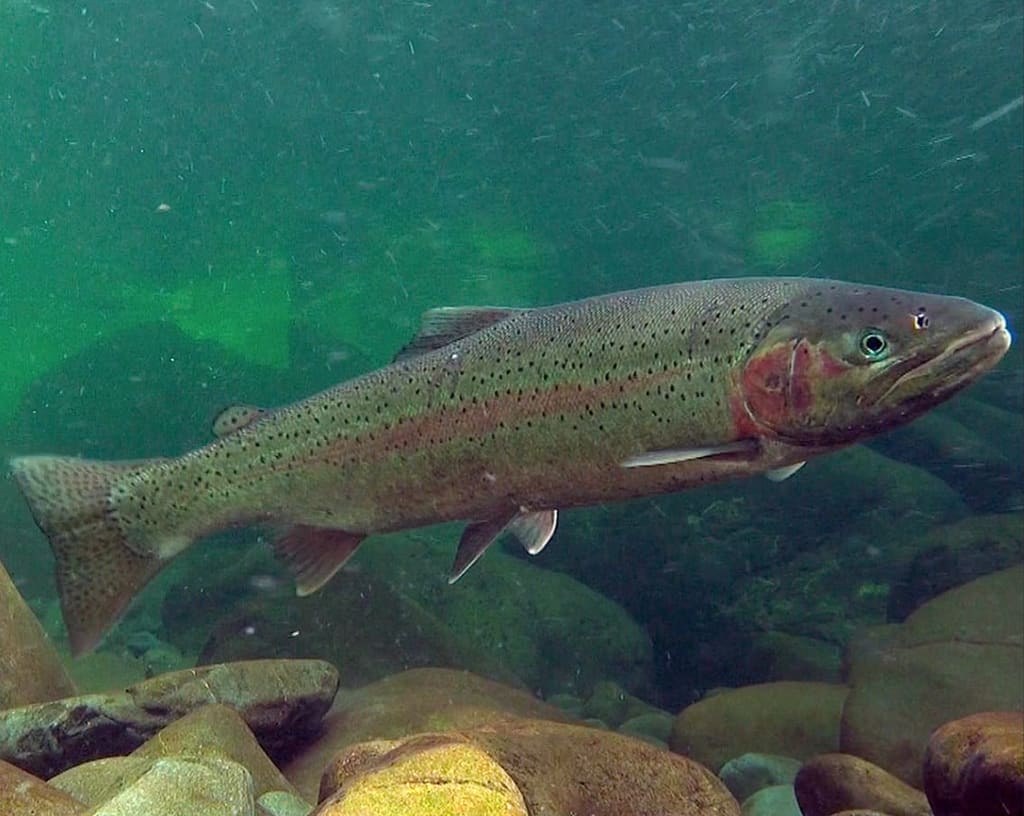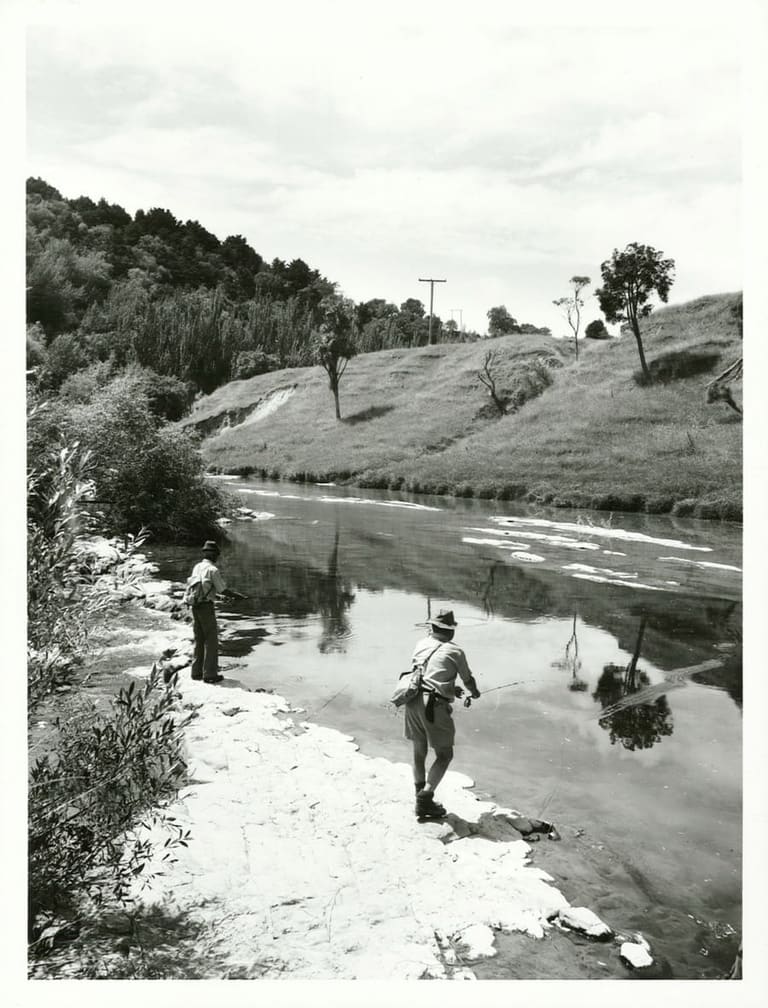
Moving water changes everything about trout fishing. A river forces you to read current seams, manage drag, and put your fly or lure where a trout actually holds instead of where you wish it would. The reward is worth the work: stream trout are among the most rewarding fish you can pursue, and the skills transfer to nearly every river on earth.
If you already know how to cast and have caught a few trout from stillwater or stocked ponds, this guide will sharpen the moving-water game. The difference between a slow day and a great one usually comes down to where you stand, how you present, and whether you read the water before you fish it.
Read the Water First
Before you make a cast, spend a few minutes just watching. Trout in rivers position themselves to expend the least energy while having food delivered by the current. Learn to spot those lies and you will catch more fish with fewer casts.
Look for these high-percentage spots:
- Seams: the line where fast water meets slow water. Trout sit in the slow side and dart into the fast lane to grab food.
- Riffles and the heads of pools: broken water hides the fish, oxygenates the flow, and funnels insects.
- Behind and in front of boulders: the soft cushion of slack water on both sides of a rock holds fish.
- Undercut banks and overhanging cover: shade and protection, especially on bright days.
- Pool tails: trout feed in the shallow draw-down where current concentrates drifting food.
Approach from downstream whenever you can. Trout face into the current, so coming up behind them keeps you out of their window of vision.
Match the Conditions
Water temperature drives trout behavior more than almost anything else. Trout feed most actively when water sits roughly in the 50s to low 60s Fahrenheit. In cold early-season water, fish move slowly and hold deep, so slow your presentation down. When water climbs into the upper 60s and beyond, oxygen drops, trout get stressed, and you should fish early mornings or move to colder tailwaters and headwaters.
Clarity matters too. In clear, low water, downsize your tippet and flies and lengthen your casts. After rain, when the river is stained and pushing, trout move to softer edges and respond well to bigger, darker, or flashier offerings they can find by sight and vibration.
Gear That Fits Moving Water
You do not need a closet full of rods, but you do need gear matched to the size of the stream and the fish.
Fly setups
- Small streams: a 7.5 to 8 foot rod in 3 or 4 weight gives you control in tight quarters.
- Medium to large rivers: a 9 foot 5 weight is the do-everything standard.
- Carry tapered leaders from 9 to 12 feet and a spool each of 4X, 5X, and 6X tippet.
Spinning setups
- An ultralight or light rod from 5 to 6.5 feet paired with a 1000 to 2500 size reel.
- Spool with 4 to 6 pound monofilament or a light braid with a fluorocarbon leader.
- Inline spinners, small spoons, and soft-plastic jigs all produce in current.
Whatever you fish, keep a few proven patterns or lures rather than a tackle box you cannot manage on the water.
Presentation: The Drag-Free Drift
The single most important skill in moving water is the drag-free drift. When your fly or bait moves at a different speed than the current around it, trout notice the unnatural drag and refuse it. Your goal is to make your offering behave exactly like a free-floating insect.
For fly anglers:
- Cast up and across the current, not straight downstream.
- Mend your line: flip the belly of the line upstream so the current does not drag the fly.
- Track the drift with your rod tip and keep slack manageable so you can still set the hook.
- Recast before the fly swings and starts to drag at the end of the drift.
For spin anglers, cast slightly upstream and retrieve just fast enough to keep contact with the lure while letting the current do the work. A spinner fished too fast spins out of the strike zone; let it tumble naturally through seams and pockets.
Choosing Flies and Lures
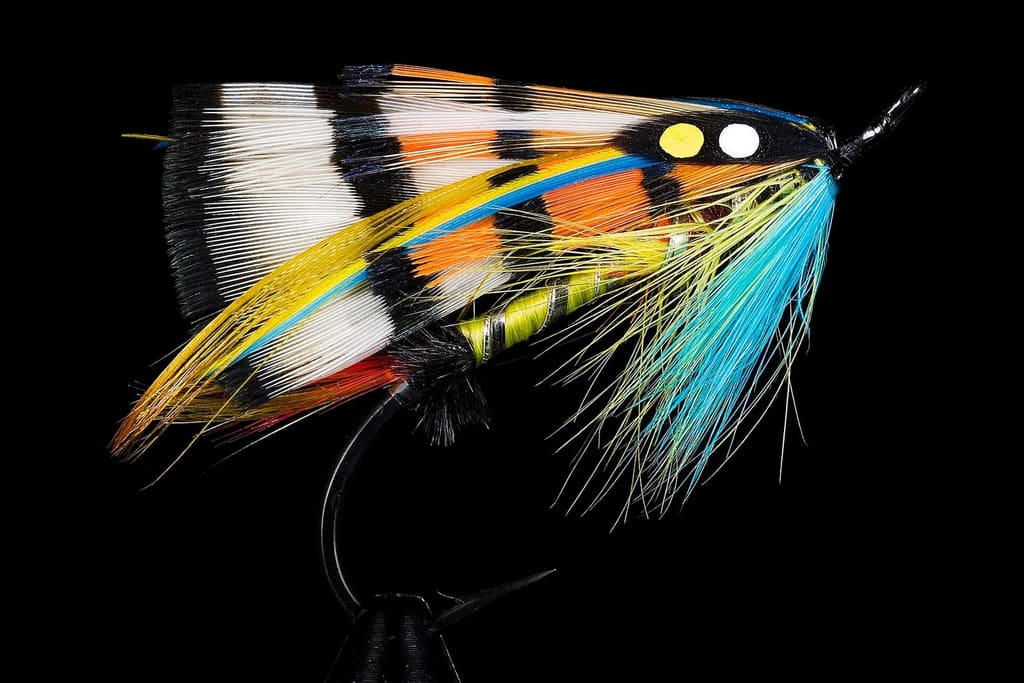
Trout eat what the river is serving. In spring and early summer, watch for hatches of mayflies, caddis, and stoneflies, and match the size and silhouette of the naturals. A handful of versatile producers will cover most situations:
- Nymphs: Pheasant Tail, Hare’s Ear, and a beadhead in sizes 14 to 18.
- Dry flies: Elk Hair Caddis, Parachute Adams, and a small attractor pattern.
- Streamers: Woolly Bugger in black or olive when you want to target bigger, aggressive fish.
For spin fishing, a size 0 to 2 inline spinner in silver or gold, a small spoon, or a 1.5 to 2 inch soft plastic on a light jig head all imitate the baitfish and nymphs trout key on. When in doubt, start with natural colors in clear water and brighter colors in stained water.
Wading and Safety
Reaching the right water often means getting in it. Wade deliberately. Move slowly, shuffle your feet, and keep a low profile so you do not push a wake that spooks fish or knock yourself off balance. A wading staff earns its keep in heavy current.
Dress for the water temperature, not the air. Felt or rubber-studded boot soles dramatically improve grip on slick rock. If you fish alone, tell someone your plan and expected return.
Practicing Clean Catch and Release
Even where you can keep fish, releasing some keeps a fishery healthy. Pinch down your barbs, keep the fish in the water as much as possible, wet your hands before handling, and support the trout gently while it recovers facing into the current. A fish that swims off strongly is one another angler gets to enjoy.
Final Thoughts
River trout fishing rewards patience and observation more than gear. Read the water, present without drag, match what the trout are eating, and respect the river you are standing in. Put those pieces together and the moving water that once felt intimidating becomes the most engaging fishing you can do. Spend time on one stream, learn its moods through the seasons, and you will be amazed how much better you get with every trip.