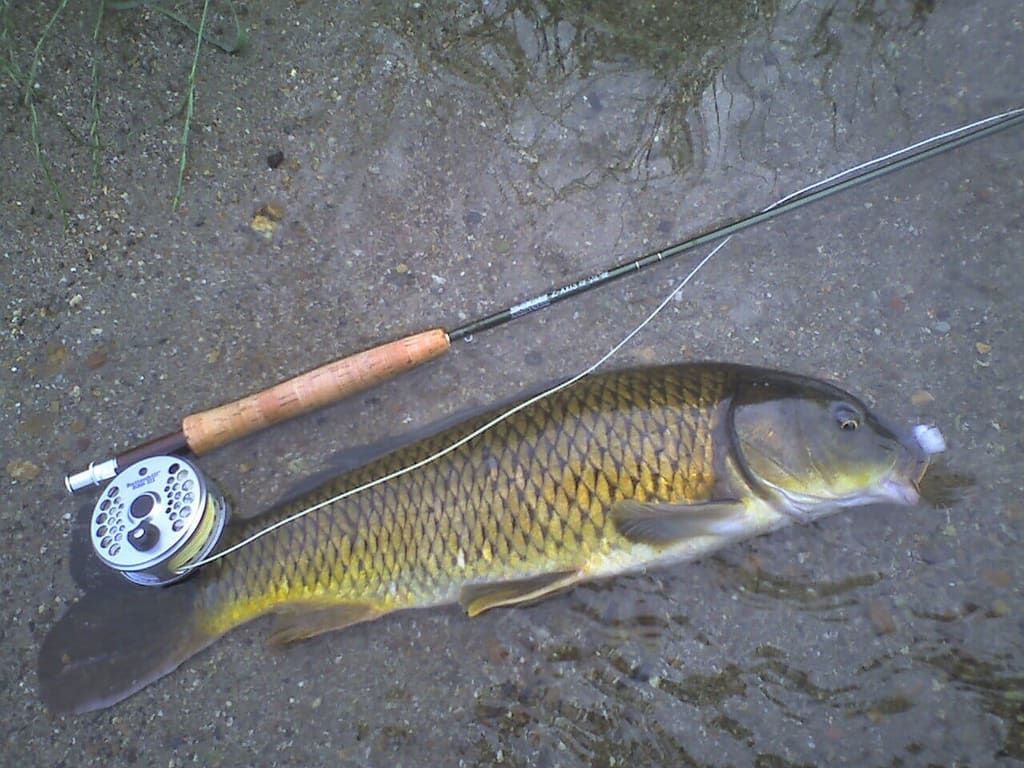
Fly fishing has a reputation for being complicated, expensive, and a little intimidating. Forget most of that. At its core, fly fishing is just a way of presenting a lightweight, mostly weightless lure (the fly) by using the weight of the line to carry it. Once that one idea clicks, everything else starts to make sense.
You do not need a thousand-dollar setup or a guide on a famous river to begin. You need a basic outfit, a small handful of flies, a safe place to practice, and a willingness to be bad at it for a few outings. This guide walks you through your real first steps so your early trips feel like progress instead of frustration.
How Fly Fishing Actually Works
In spin fishing, a heavy lure pulls light line off the reel. Fly fishing flips that. The fly weighs almost nothing, so the thick, heavy fly line does the work. You cast the line, and the fly simply goes along for the ride.
That single difference explains the whole rig:
- The rod is long and flexible so it can load and unload like a spring.
- The line is thick and weighted so it can be cast on its own.
- A tapered, nearly invisible leader connects the line to the fly so fish do not see the heavy part.
When you understand that you are casting the line, not the fly, the timing of the cast becomes much easier to learn.
Choosing Your First Outfit
Keep it simple. A balanced, matched outfit beats a pile of mismatched bargain gear.
Rod and reel
For most beginners chasing trout, panfish, or bass in lakes and small to medium streams, a 9-foot, 5-weight rod is the classic all-rounder. It handles a range of fish and conditions and is forgiving while you learn. A 5-weight or 6-weight is hard to beat as a first choice.
Many shops sell a rod, reel, line, and backing as a pre-loaded combo. For your first outfit, that is genuinely the easiest path and often the best value.
Line, leader, and tippet
- Line: a weight-forward floating line matched to your rod weight (a 5-weight line on a 5-weight rod). Floating line covers most beginner situations.
- Leader: a tapered 9-foot leader, around 4X to 5X, is a sensible starting point.
- Tippet: a small spool of 5X tippet lets you rebuild the thin end of your leader as you change flies.
A Starter Fly Box
You do not need hundreds of patterns. A dozen proven flies in a couple of sizes will cover most days on the water. Think in three categories:
- Dry flies (float on top): an Elk Hair Caddis and a Parachute Adams in sizes 14 to 16 cover a lot of surface action.
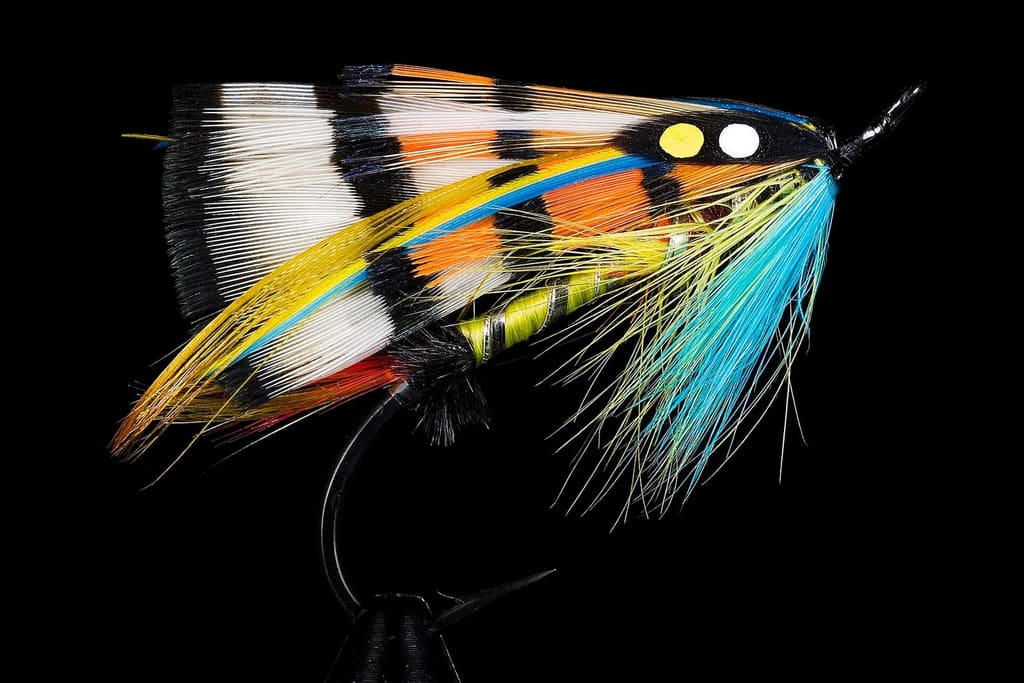
- Nymphs (sink, imitate underwater insects): a Pheasant Tail and a Hare’s Ear, plus a beadhead version, catch fish almost everywhere.
- Attractors and panfish flies: a Woolly Bugger in black or olive is a do-everything fly, and a small foam popper is deadly for bluegill and bass.
Buy a few of each so losing one to a tree does not end your day. You will lose flies. Everyone does.
The Basic Overhead Cast
The overhead cast is the foundation. The goal is a smooth back-and-forth that lets the line straighten fully behind and in front of you.
Try this progression on grass before you ever hit the water:
- Pull about 20 to 25 feet of line out in front of you, lying straight on the ground.
- Grip the rod like you are shaking hands with it, thumb on top.
- Lift the line into a crisp backcast, stopping the rod high, around the 1 o’clock position.
- Pause and let the line straighten behind you. This pause is the part beginners rush.
- Drive forward smoothly and stop at about 10 o’clock, letting the line shoot out and settle.
The whole motion is “stop and let it straighten” in both directions. Power comes from a quick acceleration to a firm stop, not from muscling the rod.
Reading Water and Finding Fish
Fish are not spread evenly. They hold where they can get food while spending little energy, and where they feel safe.
On moving water, look for:
- Seams, where fast and slow current meet. Fish sit in the slow side and grab food drifting by in the fast side.
- Riffles and the soft water just below them, which are full of oxygen and insects.
- Pools and undercut banks that offer depth and cover.
- Behind rocks and logs, where the current breaks and a fish can rest.
On lakes and ponds, target drop-offs, weed edges, inlets, and shade. Early morning and evening are usually the most productive windows in warm weather.
Your First Trip Checklist
Set yourself up to succeed by keeping the goals small. Catching a fish is a bonus. Casting reasonably and not tangling constantly is the real first win.
Bring:
- Your assembled rod, reel, line, leader, and tippet
- A small fly box with the patterns above
- Nippers or nail clippers to trim line
- Forceps or hemostats to remove hooks safely
- Polarized sunglasses (they protect your eyes and help you see fish)
- A hat, sunscreen, and water
- Your fishing license and a copy of local rules
Handling Fish and Common Mistakes
When you hook a fish, keep the rod tip up and let the rod’s bend do the work. Bring the fish in steadily rather than cranking hard. Wet your hands before touching it, keep it in or near the water, remove the hook gently with forceps, and let it recover before release.
A few mistakes trip up nearly every beginner:
- Rushing the backcast pause, which collapses the loop and piles the line.
- Using too much arm and wrist, which throws off timing.
- Slapping the fly down hard instead of letting it settle.
- Fishing line that does not match the rod weight.
- Ignoring the drift, when a fly dragging unnaturally across the current spooks fish.
Fix the pause and the line match first. Those two changes solve most early casting problems.
Final Thoughts
Fly fishing rewards patience and repetition more than expensive gear. Get a balanced 5-weight outfit, learn a clean overhead cast on the grass, carry a handful of reliable flies, and pick easy water with cooperative fish like panfish or stocked trout for your first outings. Every angler you admire started exactly where you are now, untangling line and missing fish. Keep going, stay curious, and the rest comes with time on the water.

.jpg)