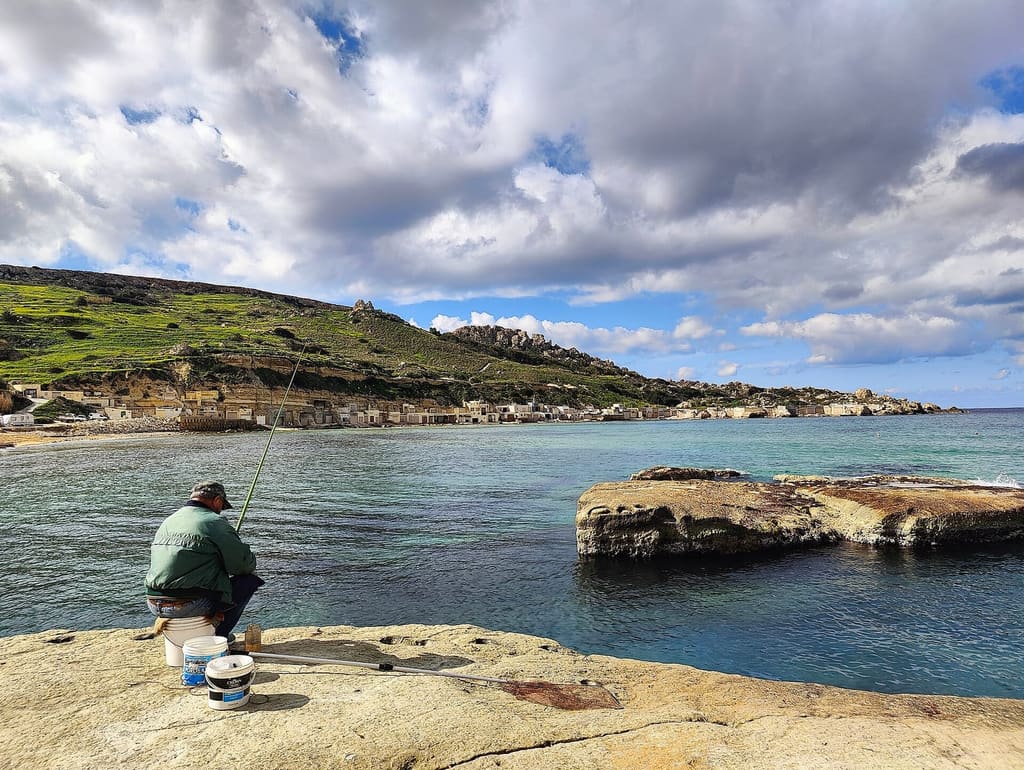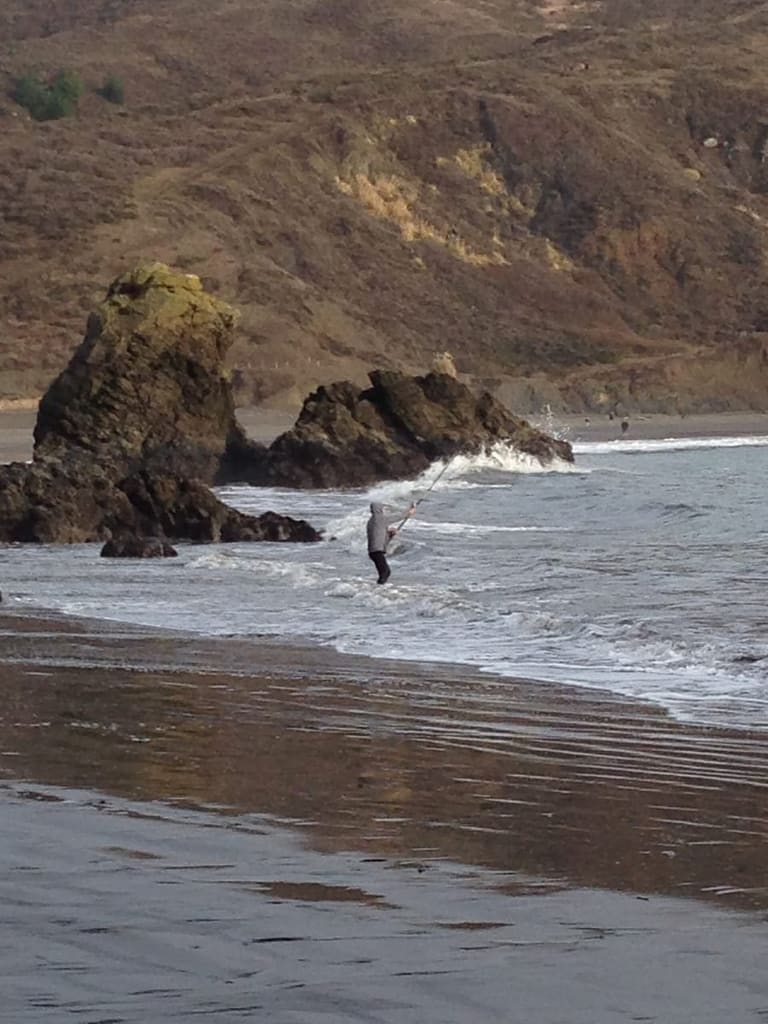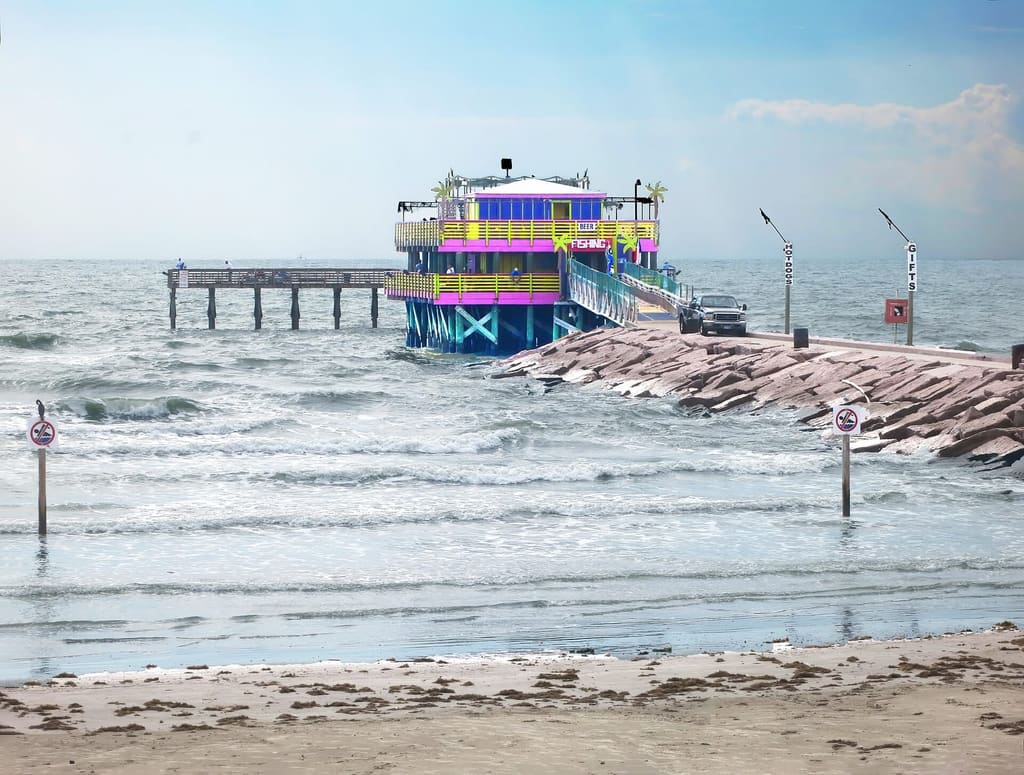
Few places make saltwater fishing as approachable as a public pier or a rock jetty. You do not need a boat, you do not need a heap of expensive gear, and you can walk out over productive water in your sneakers. The structure does the hard work for you by pulling baitfish and predators close enough to reach with a simple cast.
If you have been curious about saltwater but felt intimidated by tides, surf, or boats, this is the place to start. Below is everything a beginner needs to fish a pier or jetty with confidence and actually catch fish.
Why Piers and Jetties Catch Fish
Both structures change how water moves, and that is the whole secret. Pilings and rocks create current breaks, shade, and surfaces where algae, barnacles, crabs, and small baitfish gather. Bigger fish follow the food. A jetty also marks the edge of an inlet or channel, which acts like a highway for fish moving between the open ocean and protected backwaters.
The practical takeaway for a beginner is simple. You do not have to find fish across a huge featureless ocean. The structure has already concentrated them for you. Your job is to put bait near the structure and pay attention.
Gear You Actually Need
You can start with one rod and a small box of terminal tackle. Resist the urge to overbuy.
- A medium to medium-heavy spinning rod, 7 to 9 feet, paired with a 3000 to 5000 size reel
- Monofilament main line in the 15 to 25 pound range, which is forgiving and easy to handle
- A handful of pyramid or bank sinkers from 1 to 4 ounces
- Circle hooks in sizes 1 through 4/0, depending on your bait and target
- Pre-tied fish-finder rigs or the parts to make your own
- A few swivels, some leader material, and a couple of bucktail jigs or metal spoons
A longer rod helps you cast over the rocks and lift fish up the face of a high pier. Mono line resists abrasion against pilings and rocks better than thin braid for a beginner, though many anglers eventually switch to braid with a tough leader.
Two Simple Rigs to Start With
The Fish-Finder Rig (for bait on the bottom)
This is the workhorse rig for piers and jetties. Slide a sinker slide onto your main line, tie on a swivel, add a foot or two of leader, and finish with a circle hook. The sliding sinker lets a fish pick up the bait and move off without feeling the weight, which leads to better hookups.
Bait it with cut squid, shrimp, finger mullet, or a chunk of cut bait, then cast it out and let it settle. This rig catches a huge range of species, from croaker and whiting to flounder, sea bass, and the occasional surprise.
The Casting Jig (for active fish)
When fish are chasing bait near the surface or along the rocks, a metal spoon or bucktail jig is deadly. Cast it out, let it sink a few seconds, and retrieve with a steady or slightly twitchy motion. This is how you catch fast movers like Spanish mackerel, bluefish, and small jacks that cruise past the pier.
Reading the Water
A little observation goes a long way. Before you even bait up, take a minute to look.
- Watch for birds diving or baitfish flickering at the surface. That is dinner being served, and predators are usually underneath.
- Note the current. Fish often stack on the up-current side of pilings and at the tips of jetties where water funnels through.
- Look for color changes, rips, and seams where moving water meets still water. Edges hold fish.
- Pay attention to where regulars are fishing. On a public pier, the productive spots are no secret.
Tides matter too. The moving water around a tide change, especially the couple of hours before and after a high tide, tends to be the most active. Slack tide, when the water is barely moving, is usually the slowest stretch of the day.
Bait and What You Might Catch
Fresh, simple baits cover most situations. Shrimp and squid are cheap, durable, and catch nearly everything. Cut bait and live finger mullet shine for larger predators. A bag of frozen bait from the local tackle shop is plenty for a first trip, and the shop staff will tell you what is biting right now.
What ends up on your line depends entirely on your coast and the season, but pier and jetty regulars commonly tangle with:
- Bottom feeders like croaker, whiting, spot, and porgies on small hooks
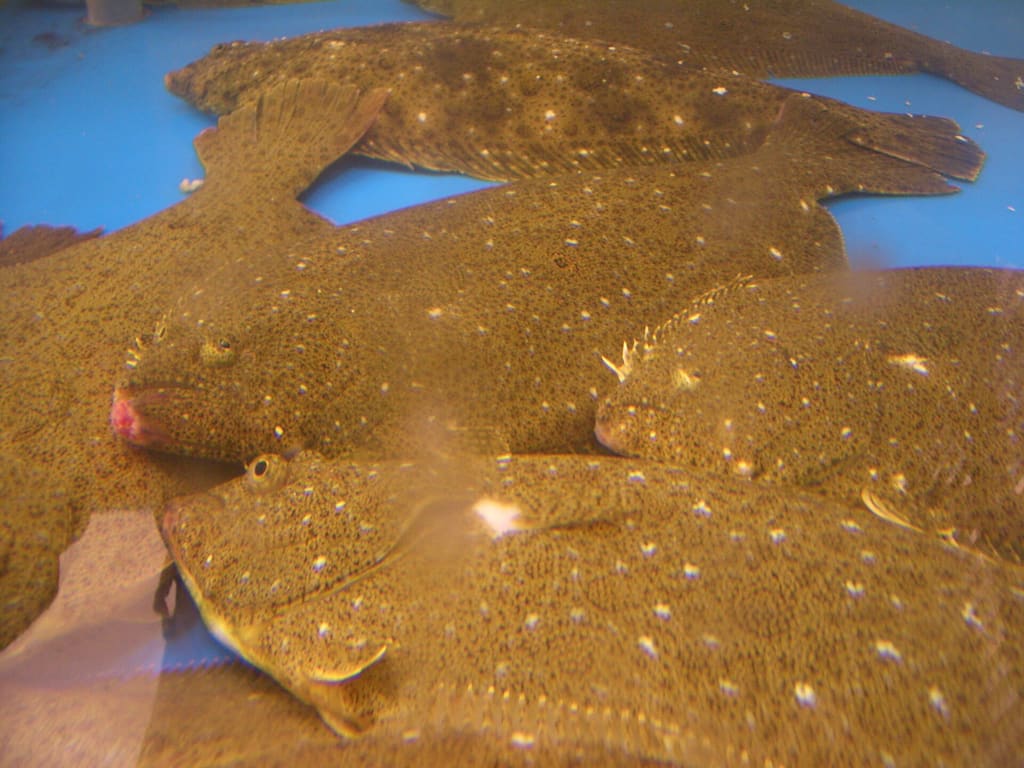
- Flounder and sea bass holding near structure
- Bluefish and Spanish mackerel chasing bait through the current
- Sheepshead and black drum picking crabs and barnacles off the pilings
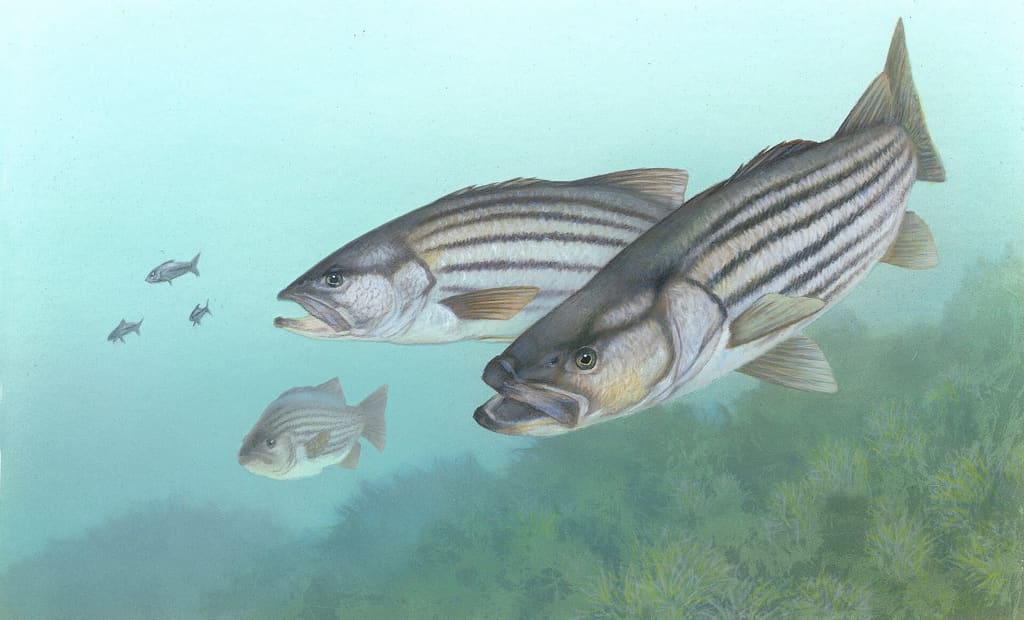
- Striped bass and snook around inlet jetties, depending on the region
Match your hook size to the fish you expect. Small panfish need small hooks, while toothy or hard-fighting fish need stronger hooks and sometimes a short length of heavier leader.
Safety and Etiquette on the Rocks
A jetty is a fishing platform made of slippery, uneven boulders, and it deserves respect. Wear shoes with real grip, watch the wave timing, and never turn your back on the ocean. Avoid jetties in heavy surf or when waves are washing over the rocks. Piers are far safer, but the same rule applies to your gear and your footing.
Etiquette keeps a crowded pier pleasant for everyone. Give other anglers casting room, do not cast over someone else’s line, and reel in if a hooked fish runs toward a neighbor. Clean up your bait scraps and cut line, since discarded line is deadly to birds and other wildlife.
A Simple Plan for Your First Trip
Keep your first outing easy. Show up a couple of hours before a high tide, bring one rod rigged with a fish-finder rig, and pack shrimp or squid plus a single casting jig. Cast your baited rig near the structure, prop the rod in a holder or hold it lightly, and stay alert for the rod tip to load up. If you see fish busting bait, switch to the jig and cast into the action.
Talk to the people around you. Pier anglers are some of the friendliest you will meet, and a few minutes of conversation can teach you more about local patterns than any article.
Final Thoughts
Pier and jetty fishing rewards patience and observation more than fancy equipment, which makes it a perfect on-ramp to the saltwater world. Start simple, fish the moving water, keep your rigs clean, and respect the ocean. Catch a few croaker or a feisty bluefish from solid ground, and you will understand exactly why so many anglers got their start right here.