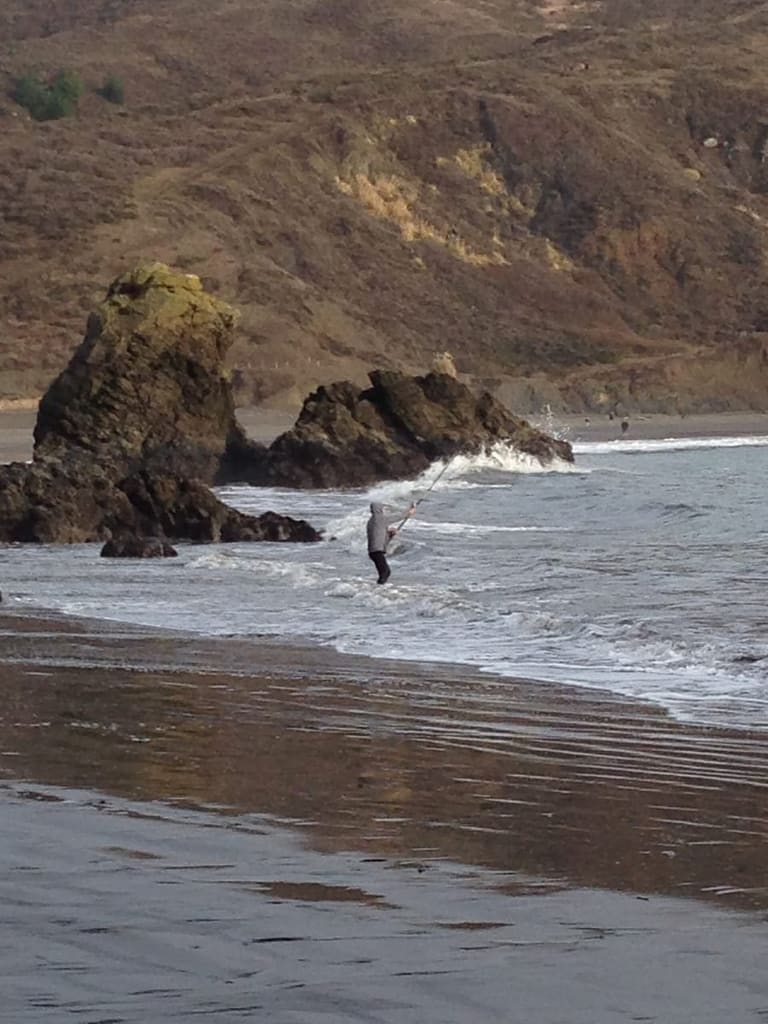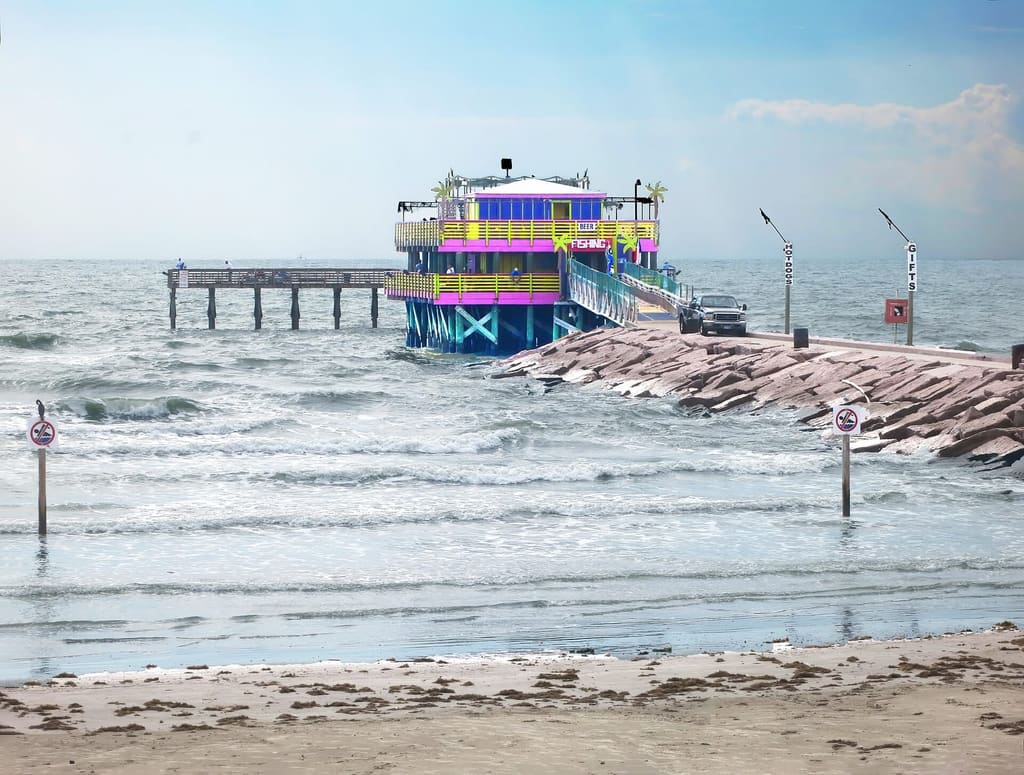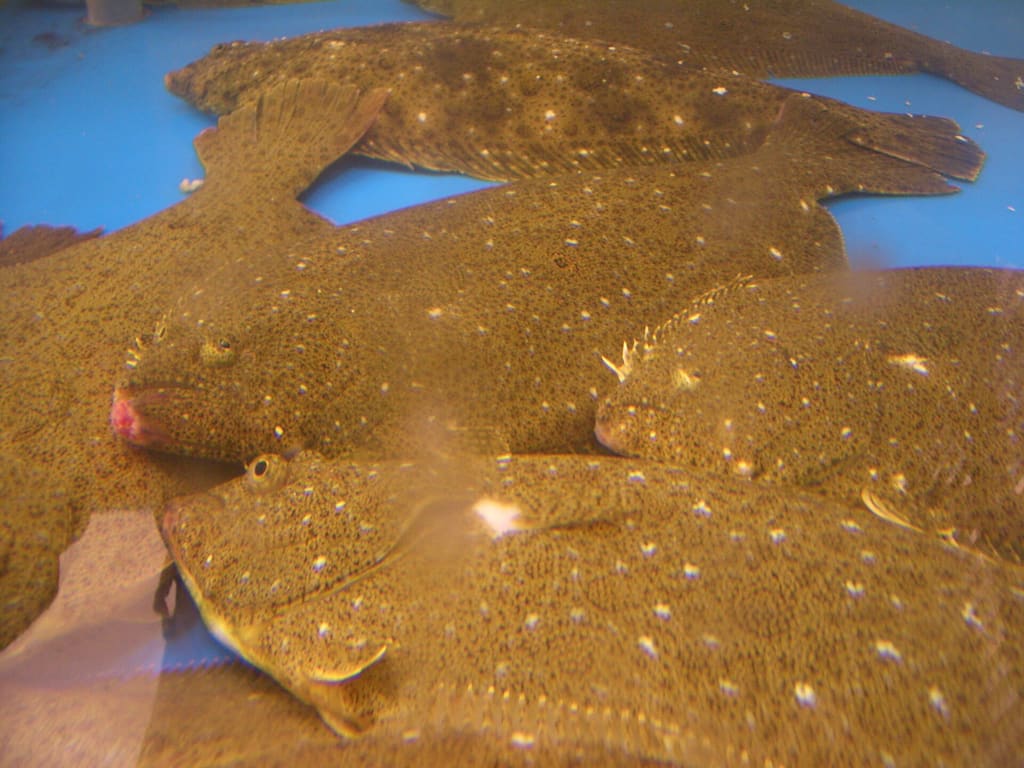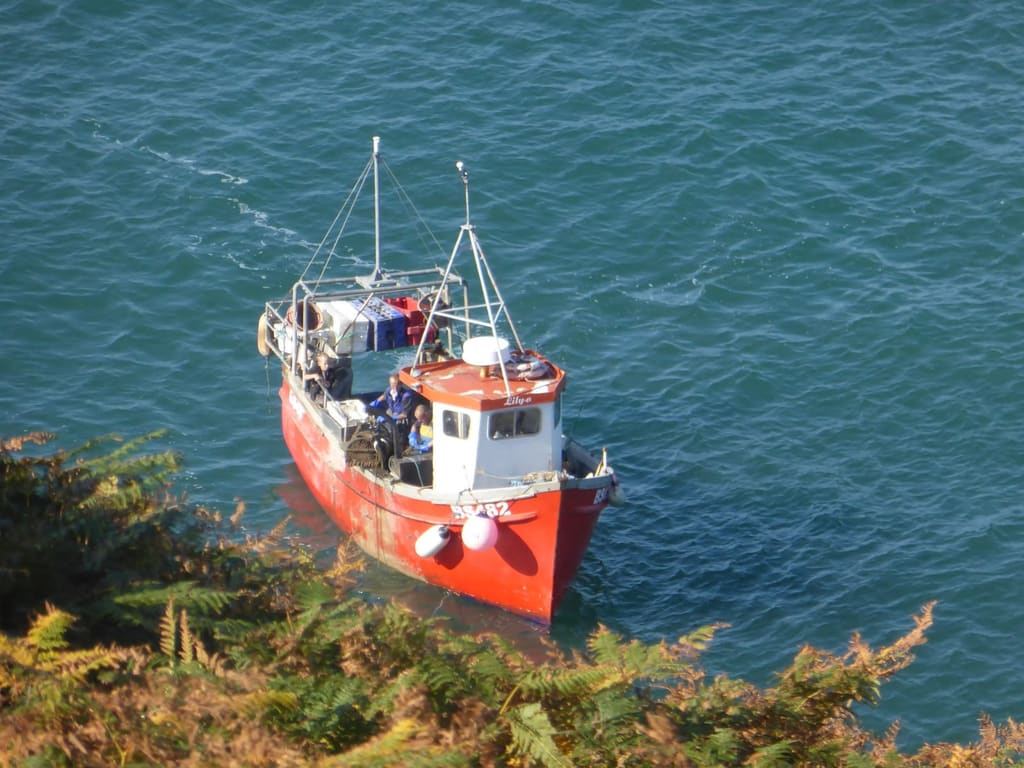
Inshore saltwater fishing is the sweet spot where the ocean becomes approachable. You don’t need a 30-foot center console or offshore tackle to catch quality fish. A skiff, a kayak, or even a pair of waders and a stretch of grass flat will put you on redfish, speckled trout, flounder, snook, and striped bass within sight of land. The water is shallow, the structure is readable, and the fish are active.
If you’ve spent time on freshwater and want to make the jump, you already have more transferable skill than you think. Reading current, finding structure, and matching the forage all carry over. What changes is the tide, the salt’s effect on your gear, and a handful of species-specific habits worth learning before you launch.
Understand the Tide First
Tide is the single most important variable in inshore fishing, more than time of day, more than weather. Moving water positions bait and triggers gamefish to feed. Slack tide, when the water stops, usually shuts the bite down.
Learn to read a tide chart for your specific location and note that the chart’s listed times are for a reference station that may be an hour or more off from where you actually fish. The general rule: fish the moving water around the top and bottom of the tide, not the dead slack.
- Incoming tide floods flats and oyster bars, drawing predators up to ambush shrimp and baitfish pushed by the current.
- Outgoing tide pulls bait off the flats and out of the marsh, concentrating fish at creek mouths, drains, and channel edges.
- The first and last two hours of a tide cycle often produce the strongest current and the best feeding windows.
Read the Water and Structure
Inshore fish relate to structure and edges. Your job is to find the spots where current, depth change, and cover come together.
Key features to target:
- Grass flats holding 2 to 5 feet of water, especially where sand potholes break up the grass. Those bare spots are ambush points.
- Oyster bars and shell beds, which hold crabs and baitfish and create current breaks.
- Creek and canal mouths where moving water funnels bait into open water.
- Docks, bridges, and pilings that provide shade and structure, particularly for snook and sheepshead.
- Mangrove shorelines and marsh grass edges, prime territory for redfish and snook.
Watch the surface for signs of life: nervous water, bait flicking, diving birds, or the wake of a fish pushing through the shallows. A tailing redfish in skinny water, fins breaking the surface as it noses down for crabs, is one of the clearest targets in all of fishing.
Gear That Handles Salt
You don’t need to buy everything new, but you do need gear that can survive a saltwater environment.
A versatile starter setup:
- Rod and reel: A 7 to 7.5 foot medium or medium-light spinning rod paired with a 2500 to 3000 size reel covers most inshore situations.
- Line: Spool with 10 to 20 pound braid for sensitivity and casting distance.
- Leader: Add 2 to 3 feet of 20 to 30 pound fluorocarbon leader. It resists abrasion against oysters and teeth, and it’s nearly invisible in clear water.
- Terminal tackle: Carry circle hooks for live bait, a selection of jigheads from one eighth to three eighths ounce, and a few popping corks.
The non-negotiable habit: rinse everything with fresh water after every trip. Salt corrodes reels, guides, and hooks fast. Hose down your rods and reels, loosen the drag, and let them dry before storage. A reel that gets rinsed lasts years longer than one that doesn’t.
Lures and Bait That Produce
You can keep your tackle box simple and still catch fish consistently.
Live and natural bait is hard to beat when the bite is tough. Live shrimp under a popping cork is the classic inshore confidence rig and catches nearly everything that swims. Mullet, pinfish, and finger mullet work well for larger predators like snook and big trout.
Artificial lures let you cover water faster:
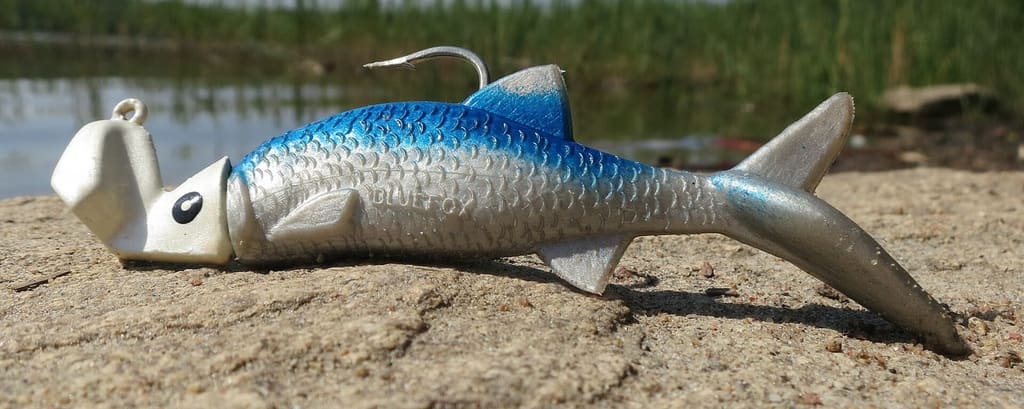
- Soft plastic paddletails and jerk shads on a jighead. Work them with a slow hop along the bottom.
- Gold or silver spoons for searching grass flats and reaching redfish in stained water.
- Topwater walking baits at dawn and dusk for explosive trout and snook strikes.
- Shrimp imitations under a popping cork, which mimics the sound and look of feeding fish.
Handle the Fish, Respect the Fishery
Inshore species are a shared resource, and many anglers practice catch and release for breeders and slot-busting fish. Handle them so they swim away strong.
- Wet your hands before touching a fish to protect its slime coat.
- Support the body horizontally and avoid squeezing the gut.
- Use a rubber or knotless net to reduce damage.
- Keep the fish in the water as much as possible and limit air exposure to seconds, not minutes.
- Use a dehooking tool and pinch your barbs when you plan to release.
Safety and Trip Planning
Inshore water is forgiving compared to offshore, but shallow water and tides bring their own hazards.
- Check the weather and wind before launching. Wind, not waves, ruins most inshore days; anything over 15 knots makes sight fishing and boat control difficult.
- Mind the tide if you wade or run skinny water. A falling tide can strand a boat on a bar or leave a wader walking a long way back.
- Wear polarized sunglasses. They cut surface glare so you can spot fish, structure, and shallow hazards. They double as eye protection.
- Tell someone your plan and carry a charged phone in a waterproof case.
Final Thoughts
Inshore saltwater fishing rewards observation more than expensive equipment. Learn your local tides, find the edges where current meets structure, keep your tackle simple and salt-free, and treat the fish well. Start with a single productive flat or creek mouth and fish it through a full tide cycle to understand how the spot changes. Do that a few times and the patterns start to reveal themselves, and that’s when inshore fishing goes from luck to skill.