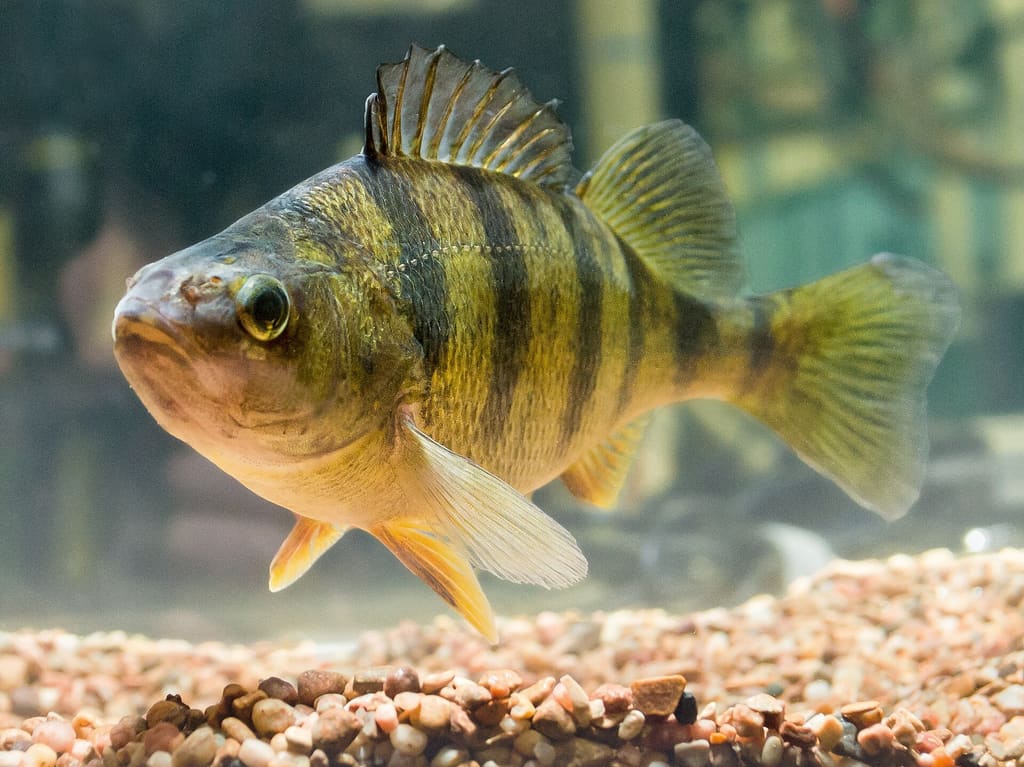
Yellow perch are one of the most rewarding fish a beginner can target. They school in big numbers, they bite readily on simple baits, and they are widely considered some of the best-tasting fish in fresh water. When you find an active school, fast action is the rule rather than the exception, which makes perch a great way to build confidence on the water.
This guide walks through everything you need to start catching yellow perch: how to identify them, where they live and hold through the seasons, what they eat, and the baits, lures, and techniques that consistently put them in the bucket.
Identifying Yellow Perch
Yellow perch (Perca flavescens) are easy to recognize once you know the markings. They have a golden to brassy yellow body crossed by six to eight dark vertical bars that run down the sides. The lower fins, especially the pelvic and anal fins, often show an orange or reddish tint, which becomes very bright on males during the spawn.
Key identification features:
- Golden-yellow sides with dark vertical bars
- Two separate dorsal fins, the front one spiny and the rear one soft
- Orange to red lower fins
- A slightly humped back and a tapered, torpedo shape
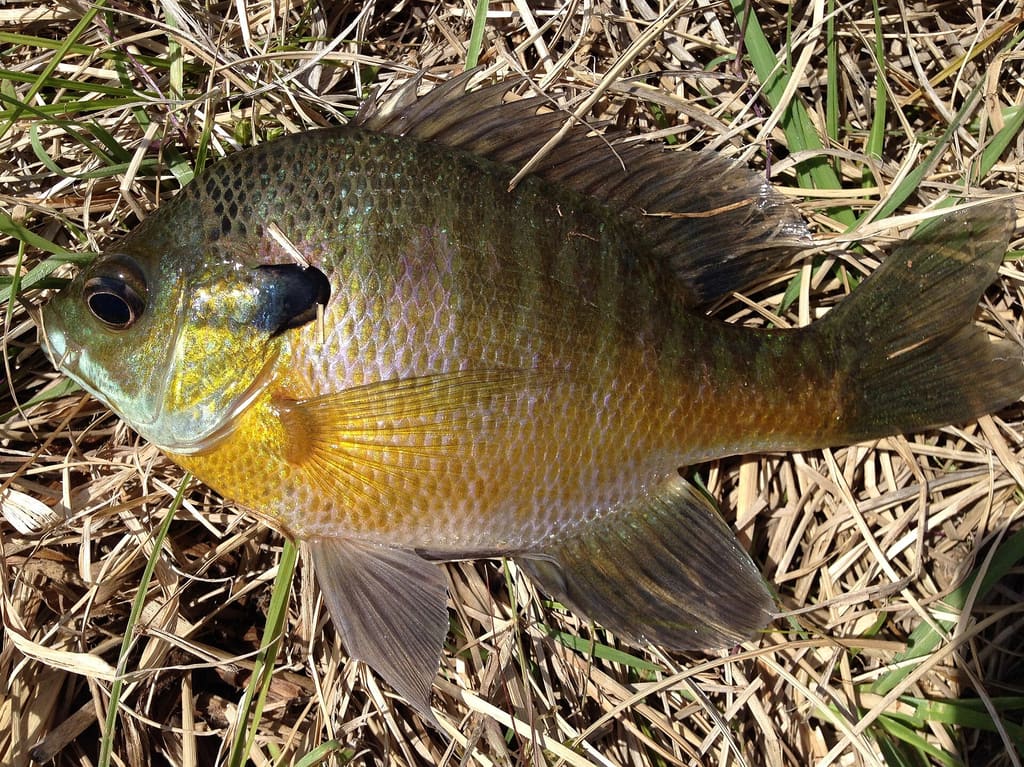
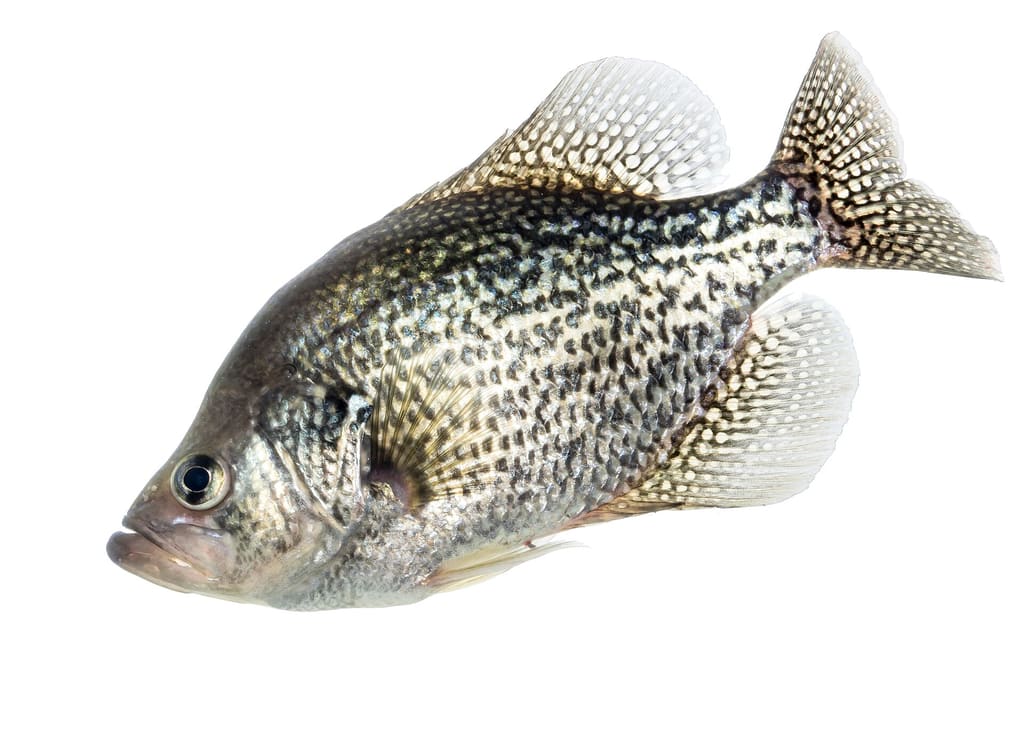
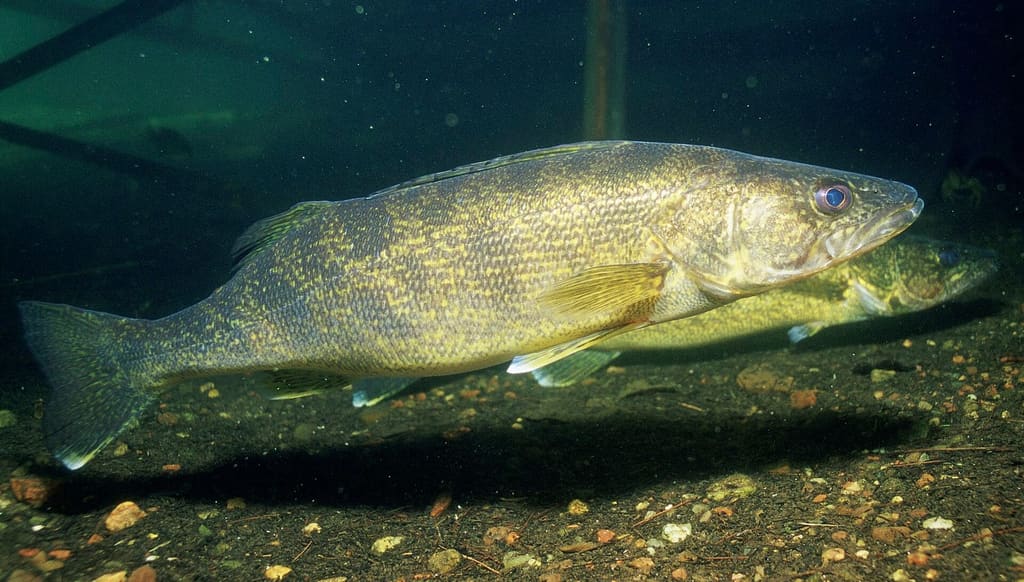
They are members of the perch family along with walleye and sauger, but at a fraction of the size. Do not confuse them with sunfish or crappie, which lack the bold vertical bars and have rounder, more compressed bodies.
Range and Habitat
Yellow perch are native across much of the northern United States and Canada and have been widely stocked elsewhere. They thrive in the Great Lakes region, the upper Midwest, the Northeast, and many southern and western reservoirs where they have been introduced.
They prefer cool, clear water and are most at home in:
- Natural lakes and large reservoirs
- Slow rivers and connected backwaters
- Brackish coastal bays and tidal rivers in the East
Perch relate strongly to structure and cover. Look for them near weed edges, gravel and rock bottoms, sandy flats, submerged points, and drop-offs. They tend to roam in schools rather than holding tight to a single piece of cover the way bass do, so once you contact one, expect more in the area.
Diet and Forage
Yellow perch are opportunistic feeders that eat throughout the day, with peak activity in the morning and evening. Their diet shifts with size and season but commonly includes:
- Aquatic insect larvae and nymphs
- Small minnows and young baitfish
- Crayfish
- Zooplankton, especially in younger fish
- Fish eggs and the occasional small perch
This broad diet is good news for anglers. Perch are not picky, and small natural baits that imitate their forage will almost always draw bites. Matching the size of the bait to the small mouths of perch matters more than matching an exact species.
Seasonal Behavior and Where They Hold
Understanding the seasonal pattern is the single biggest key to consistent perch fishing.
Spring
Perch spawn in early spring when water temperatures climb into the mid 40s to low 50s Fahrenheit. They move shallow toward vegetation, flooded brush, and gravel areas to lay long ribbons of eggs. Before and just after the spawn, fish stack up in these shallow staging zones, making them easy to locate.
Summer
As the water warms, perch slide toward deeper, cooler water during the day. Focus on weed edges, the tops of submerged humps, and drop-offs in the 10 to 25 foot range. They will often suspend just off the bottom over these spots. Early morning may still bring them shallow to feed.
Fall
Fall is prime time. Cooling water triggers heavy feeding as perch fatten up for winter, and they form large, aggressive schools. This is when you can catch numbers of bigger fish. Work deeper structure and points, and stay mobile until you find the school.
Winter
Yellow perch are a marquee ice-fishing target and remain active under the ice all winter. They hold on deeper flats and basins, often near the bottom. Drilling several holes and moving until you mark fish on a flasher or finder is the proven approach.
Best Baits and Lures
You do not need a big tackle box for perch. A handful of small, proven offerings covers nearly every situation.
Live and natural baits
- Minnows, fished on a small jig head or under a slip float
- Nightcrawlers and worm pieces on a small hook
- Insect larvae such as waxworms, mealworms, and maggots, especially through the ice
- Crayfish or crayfish pieces near rocky bottoms
Lures
- Small jigs in 1/32 to 1/8 ounce, tipped with a soft plastic or live bait
- Tiny spoons and blade baits, deadly for ice fishing and deep summer schools
- Small swimbaits and curl-tail grubs
- Drop-shot rigs with a finesse worm or minnow imitation
Natural colors like gold, chartreuse, white, and perch patterns are reliable. On bright days lean toward subtle colors, and on dark or stained water try brighter chartreuse and orange.
Proven Techniques
A few simple presentations account for the majority of perch caught by everyday anglers.
-
Jig and minnow on the bottom. Drop a small jig tipped with a minnow or worm to the bottom, then lift and drop it with a gentle hop. Most strikes come on the fall or the pause, so stay alert for light taps.
-
Slip-float fishing. Set a slip bobber so your bait hangs just above the bottom or at the depth you are marking fish. This keeps a live minnow or worm in the strike zone and signals subtle bites clearly. It is an excellent beginner method.
-
Drop-shot rig. Suspend a small bait a few inches above a weight to keep it in front of suspended or bottom-hugging perch. The rig holds your bait at a precise depth without dragging it through snags.
-
Vertical jigging through the ice. Use a small spoon or jig tipped with a waxworm or minnow head. Lift it sharply, then let it settle and hold still. Perch often hit the moment it stops moving.
Perch have small mouths, so use light line in the 4 to 8 pound range and small hooks. They also bite lightly, especially in cold water, so a sensitive rod and watchful eye on your line or float pay off.
Size, Records, and Eating Quality
Most yellow perch you catch will run 6 to 10 inches and a few ounces. Fish over 12 inches are considered very good, and any perch approaching or exceeding a pound, often called a jumbo perch, is a genuine trophy worth celebrating.
The longstanding world record yellow perch is a famously old mark caught in New Jersey in 1865, weighing 4 pounds 3 ounces. That fish has stood for over 150 years, which tells you just how rare truly giant perch are.
Final Thoughts
Yellow perch reward the angler who stays mobile and keeps things simple. Find structure, drop a small jig or minnow, and keep moving until you locate the school. Once you do, the action can be nonstop, and the reward at the cleaning table is hard to beat. Few fish offer beginners this much fun and this good a meal, which is exactly why perch remain a favorite for anglers of every skill level.


.jpg)