Crappie are one of the most popular freshwater panfish in North America, and for good reason. They school in big numbers, they fight harder than their size suggests, and they are some of the best eating fish you can put in a cooler. Better still, you do not need a bass boat or a tackle box full of expensive gear to catch them. A simple jig pole, a bucket of minnows, and a little knowledge of where they hold will fill a stringer.
This guide walks through everything a beginner needs: how to tell the two crappie species apart, where they live, what they eat, how their behavior shifts through the seasons, and the baits and techniques that consistently produce. Whether you are after a relaxing afternoon or chasing a “slab” (the angler term for a crappie of roughly a pound or more), the fundamentals below will get you on fish.
Identifying Crappie
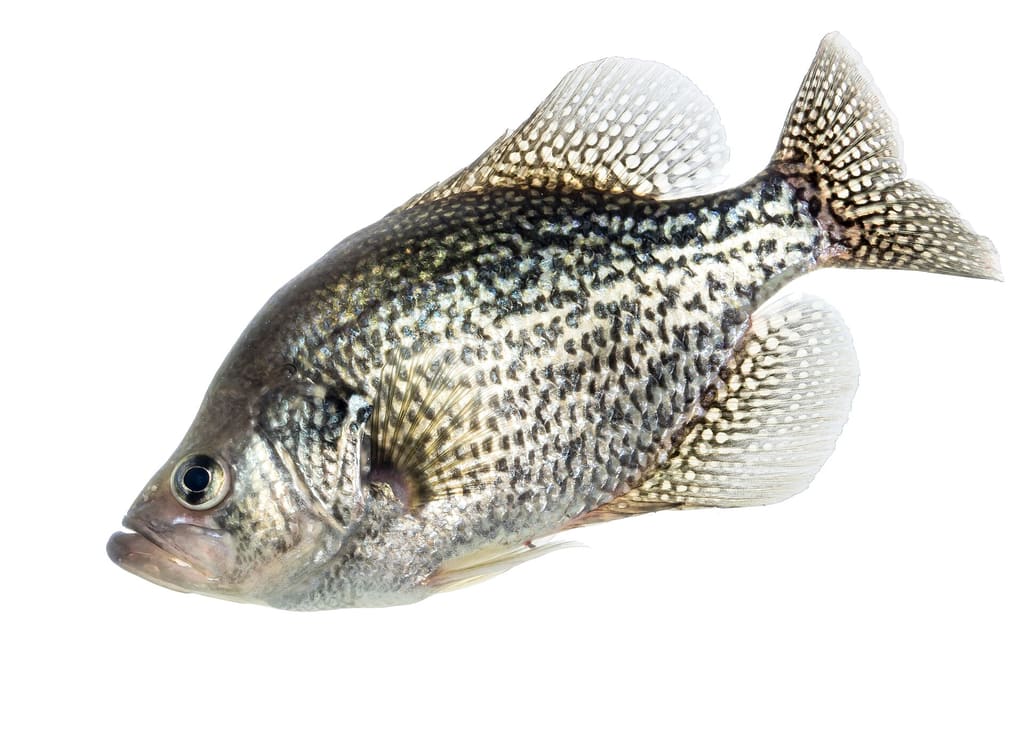
There are two species of crappie, and both can live in the same water. Telling them apart is easy once you know what to look for.
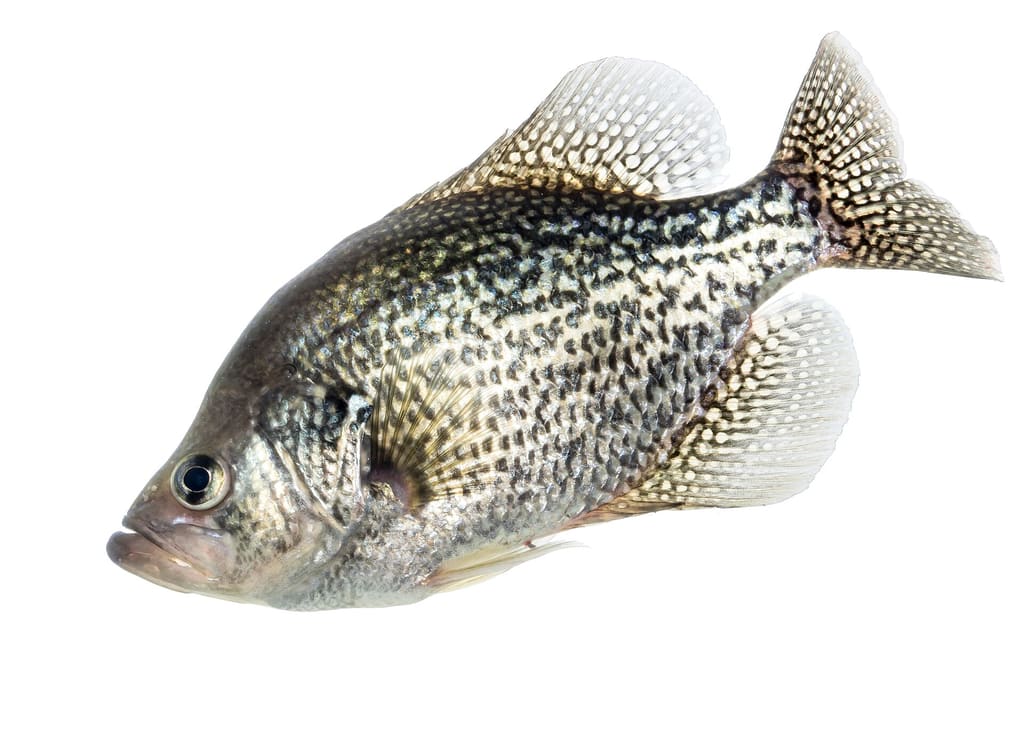
- Black crappie: Speckled, irregular dark blotches scattered across a silvery-green body. The key field mark is the dorsal fin, which has seven or eight spines. Black crappie tend to prefer clearer water with more vegetation.
- White crappie: Lighter colored with dark vertical bars running down the sides rather than random spots. The dorsal fin has only five or six spines. White crappie tolerate murkier, more turbid water and are common in rivers and reservoirs.
Both species share the same deep, flattened body shape, large mouth with a paper-thin membrane, and a tall dorsal fin. That thin mouth membrane is why crappie earned the nickname “papermouth.” Set the hook too hard and you will tear the hook free, so a smooth, steady lift beats a sharp snap.
Range and Habitat
Crappie are native to much of the eastern and central United States and have been widely stocked, so you can now find them across most of the lower 48 states and into southern Canada. They thrive in lakes, reservoirs, slow rivers, oxbows, and large ponds.
The single most important thing to understand about crappie is that they relate to cover and structure. Wherever you find one of these, you are likely close to fish:
- Standing timber and submerged stumps
- Brush piles, both natural and angler-placed
- Boat docks, especially those with deeper water nearby
- Bridge pilings and rip-rap
- Submerged weed edges and lily pad lines
- Creek channel bends and drop-offs
Crappie are also highly sensitive to depth, which changes with water temperature and season. Finding the right depth is often more important than finding the perfect spot.
Diet and Forage
Crappie are sight feeders that hunt in open water and along cover edges. Young crappie eat zooplankton and tiny insects, but adults are primarily fish eaters. Their diet is dominated by small baitfish, especially:
- Threadfin and gizzard shad
- Small minnows and shiners
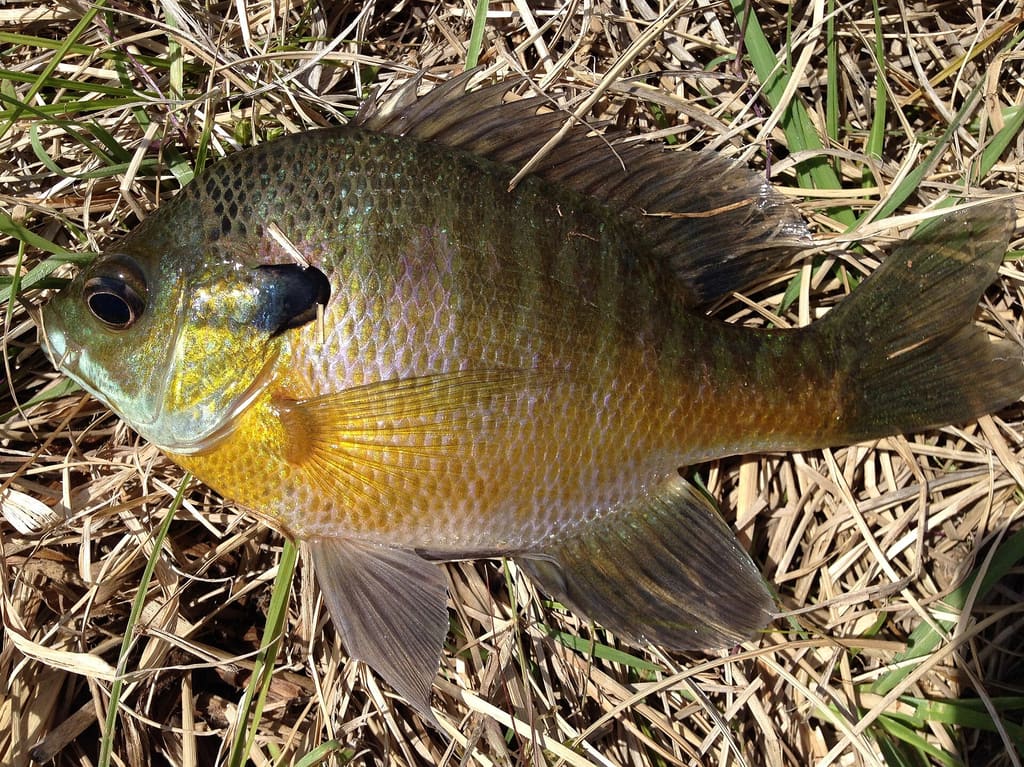
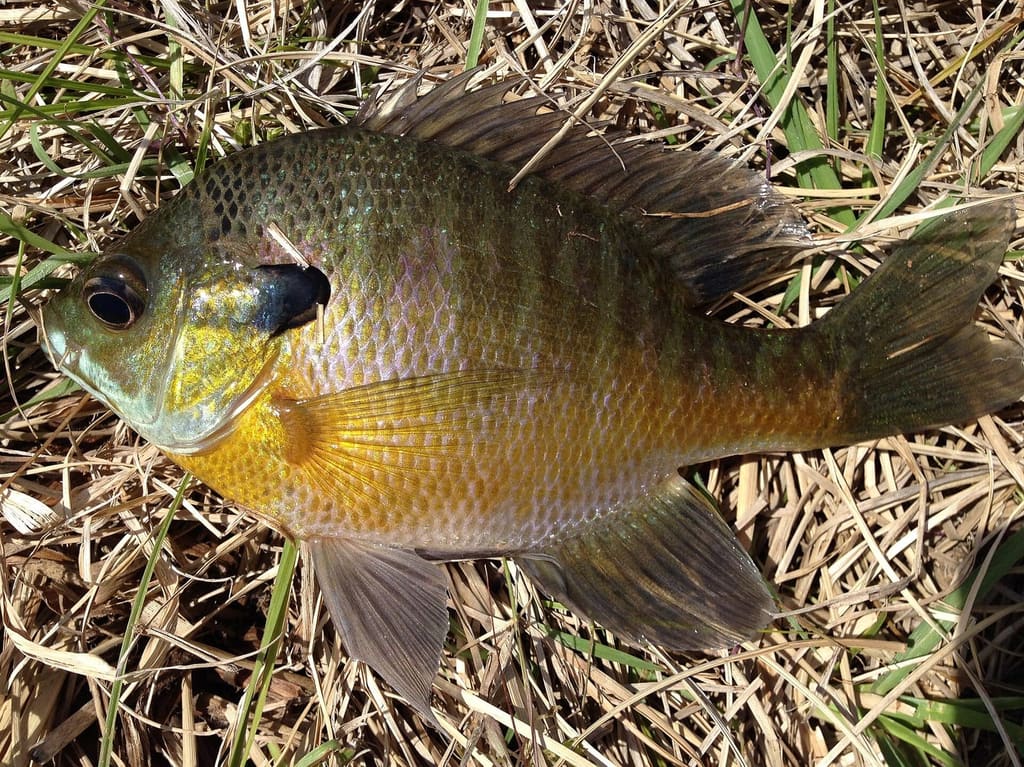
- Young sunfish and other small panfish
- Aquatic insects and larvae, particularly in spring
Because they key on baitfish, matching the size and profile of local forage is more important than exact color. When crappie are eating tiny shad, a small slender jig in the one and a half to two inch range will almost always outproduce a bulky lure.
Seasonal Behavior and Where They Hold
Crappie are catchable in every season, but the locations change dramatically as water temperature shifts. Understanding the calendar is the fastest way to find fish.
Spring (Pre-Spawn and Spawn)
This is the easiest and most productive time to catch crappie. As water warms into the upper 50s and low 60s, fish move from deep winter haunts toward shallow spawning flats. Males build nests in one to six feet of water near cover, and both sexes are aggressive and concentrated. Target shallow brush, bank cover, and the backs of coves.
Summer
After the spawn, crappie pull back to deeper, cooler water. Look for them suspended over creek channels, around deep brush piles, and near structure in fifteen to twenty-five feet. Early morning, late evening, and even night fishing under lights are the most reliable summer windows.
Fall
Cooling water pulls baitfish toward the backs of creeks, and crappie follow. This is a strong feeding period as fish bulk up for winter. Focus on creek arms, points, and structure at moderate depths. Fall fish often roam, so cover water until you find an active school.
Winter
Crappie group up tightly in deep water, often suspending over the deepest available structure or channel bends. They feed slowly, so a slow, vertical presentation right in their face is key. Where it is safe and legal, ice fishing for crappie can be excellent.
Best Baits and Lures
You can keep crappie tackle simple. A handful of proven options covers nearly every situation.
Live bait:
- Minnows are the classic and arguably the most consistent crappie bait. Fish them under a slip bobber, on a jig head, or on a plain hook with a small split shot. Hook them lightly through the lips or just behind the dorsal fin.
Lures:
- Soft plastic jigs: The workhorse of crappie fishing. Pair a one-sixteenth or one-thirty-second ounce jig head with a small tube, curly tail grub, or slender minnow-style body.
- Marabou and hair jigs: The pulsing fibers give lifelike action even at a dead stop, which shines in cold water.
- Small spinners and underspins: Useful for covering water and locating roaming fall fish.
- Tiny crankbaits: Effective when trolled to find scattered summer and fall crappie.
For color, start with white, chartreuse, or a shad pattern in clear water, and switch to brighter or darker contrasting colors in stained water. Let the fish tell you what they want.
Proven Techniques
A few core techniques will handle the vast majority of crappie situations.
- Vertical jigging: Drop a jig or minnow straight down into brush, timber, or around docks and work it with subtle lifts. This is deadly when fish are holding tight to cover.
- Slip bobber fishing: Set a slip float to suspend a minnow or jig at the exact depth fish are holding. This keeps your bait in the strike zone hands-free and is perfect for beginners.
- Spider rigging: Spread multiple long rods off the front of a boat and slowly troll baits at a controlled depth. This is a favorite reservoir tactic for covering water and dialing in depth.
- Casting and counting down: Cast a jig past cover, let it sink while counting, then retrieve slowly. Vary the count until you find the productive depth.
- Dock shooting: Skip a light jig far back under docks where crappie shade up in summer. It takes practice but reaches fish other anglers cannot.
Size, Records, and Keeping Fish
A typical crappie runs from about half a pound to a pound. Anything around a pound or more earns the “slab” label, and a fish over two pounds is the catch of a season for most anglers. Crappie are schooling fish that often run uniform in size, so when you catch one, work that spot thoroughly.
Crappie populations can be sensitive to overharvest, especially in smaller waters. Many fisheries set minimum length and daily creel limits specifically to protect the spawning stock and keep the fishery producing quality fish.
Final Thoughts
Crappie reward anglers who pay attention to two things: cover and depth. Find the brush, docks, or timber, then figure out how deep the fish are holding for that season, and you will catch them. Keep your gear light, your presentation slow, and your hookset smooth to protect that papermouth. With a bucket of minnows or a few small jigs, crappie offer some of the most accessible and rewarding fishing available, twelve months a year.
.jpg)