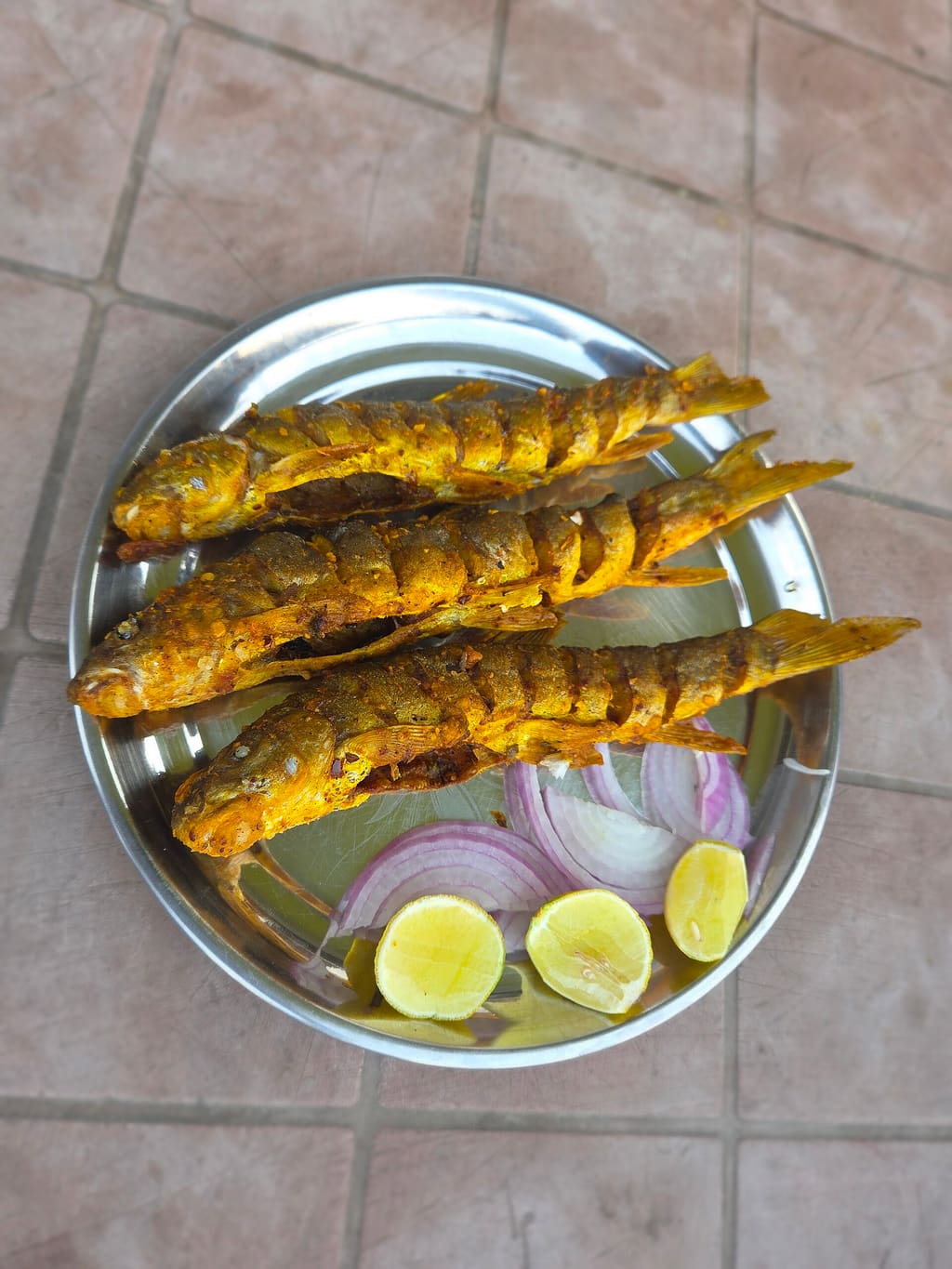
There is no meal quite like a fish you caught yourself. Fresh fish handled well needs almost nothing to taste great, which is good news if you are new to the kitchen. The hard part is not the recipe. It is keeping the fish cold from the moment it leaves the water and not overcooking it once it hits the heat.
This guide covers four reliable methods that work for nearly any common freshwater or saltwater species, plus the handling and seasoning basics that separate a good plate of fish from a disappointing one. You do not need fancy gear or rare ingredients to do this well.
Start With Cold, Clean Fish
Flavor is decided long before the pan gets hot. The single biggest mistake new cooks make is letting their catch sit warm.
- Bleed and gut fish soon after catching when possible, then get them onto ice.
- Keep fish on ice or in a cooler at refrigerator temperature until you cook them.
- Rinse fillets in cold water, pat them completely dry with paper towels, and check for stray bones or scales.
- Cook within a day or two for the best texture, or freeze if you cannot.
Dry fish browns better and will not steam in the pan. If you are freezing, wrap fillets tightly to push out air, or seal them in water-filled bags to block freezer burn. Frozen fish keeps several months but is always best fresh.
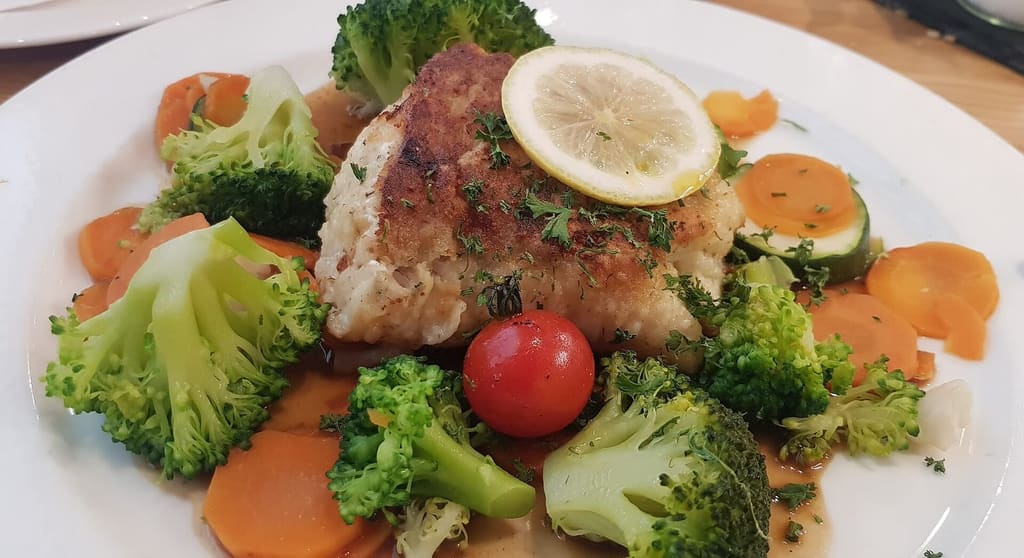
Method 1: Pan-Frying
Pan-frying is the classic shore lunch and the easiest place to start. It works for panfish, trout, walleye, perch, bass, and most thin fillets.
- Dry the fillets well and season both sides with salt and pepper.
- Optionally dredge in flour, cornmeal, or a light breading for a crisp crust.
- Heat a tablespoon or two of oil or butter in a skillet over medium-high heat until it shimmers.
- Lay the fillets in skin-side down if they have skin. Do not crowd the pan.
- Cook two to four minutes per side depending on thickness, flipping once.
The fish is done when it turns opaque and flakes easily with a fork. Thin fillets cook fast, so stay close. Butter burns quicker than oil, so a mix of the two gives you flavor without scorching.
Method 2: Baking
Baking is hands-off and forgiving, which makes it ideal when you are cooking for several people or working with thicker fillets like salmon, catfish, or larger walleye.
- Heat the oven to 400 degrees Fahrenheit.
- Place fillets on a lined or oiled baking sheet.
- Brush with oil or melted butter, then season with salt, pepper, and lemon.
- Bake about 10 minutes per inch of thickness.
A whole fish bakes beautifully too. Stuff the cavity with lemon slices and herbs, and add a few minutes to the time. Baking in a foil packet with a splash of liquid steams the fish gently and keeps it moist, which is a good trick for leaner species that dry out easily.
Method 3: Grilling
Grilling adds smoky flavor and works well for firm, oily fish like salmon, trout, and tuna, or for whole fish. Delicate flaky fillets can fall apart on the grates, so handle those with care.
- Get the grill hot and clean, then oil the grates well to prevent sticking.
- Leave the skin on if the fish has it. Skin holds the fillet together and crisps nicely.
- Place the fish over direct heat and resist the urge to move it for several minutes.
- Flip once, using a wide spatula, when the fish releases cleanly from the grates.
For flaky fish or smaller pieces, use a grill basket or a sheet of foil. A cedar plank is another easy option for salmon: soak the plank, set the fillet on top, and let the wood do the work while keeping the fish off the open flame.
Method 4: Poaching
Poaching is the gentlest method and the one most people overlook. You simmer the fish in liquid, which keeps it tender and almost impossible to overcook into a dry, chalky mess. It suits delicate white fish especially well.
- Fill a wide pan with enough water, broth, or wine to cover the fillets.
- Add aromatics like lemon, onion, peppercorns, and herbs.
- Bring the liquid to a bare simmer, never a rolling boil.
- Slide in the fillets and cook gently for five to ten minutes until opaque.
Poached fish is mild and clean-tasting, perfect for flaking into salads, tacos, or chowder. Because there is no browning, lean hard on the seasoning in your poaching liquid and finish with a squeeze of fresh citrus.
Seasoning and Simple Sauces
Fresh fish does not need much. Salt, pepper, butter, and lemon will carry almost any plate. Once you are comfortable, build from there.
- A quick pan sauce: after frying, add a knob of butter, a squeeze of lemon, and chopped parsley or capers to the hot pan.
- Spice rubs: paprika, garlic powder, and a pinch of cayenne work on grilled or baked fish.
- Fresh herbs: dill and parsley pair with nearly everything; cilantro and lime lean toward tacos.
Season early so salt has time to work, and always taste as you go. Acid, whether lemon, lime, or vinegar, brightens fish and is worth keeping on hand.
Food Safety and Doneness
Cook fish to an internal temperature of 145 degrees Fahrenheit. Without a thermometer, look for flesh that turns opaque and flakes apart easily when nudged with a fork. Overcooked fish gets dry and rubbery, so stop a touch early since it keeps cooking off the heat.
Some waters carry advisories about contaminants in certain species or sizes. Check your state or regional fish consumption guidelines, and trim fat and skin where advised, since that is where many contaminants concentrate.
Final Thoughts
Cooking your catch is simpler than it looks. Keep the fish cold, dry it before it meets heat, and pull it off the moment it flakes. Pick one method to start, pan-frying is the friendliest, and you will have a reliable meal on the table in minutes. Master the basics first, then experiment with rubs, sauces, and the grill. The fish you caught this morning, cooked simply tonight, is hard to beat.


.jpg)