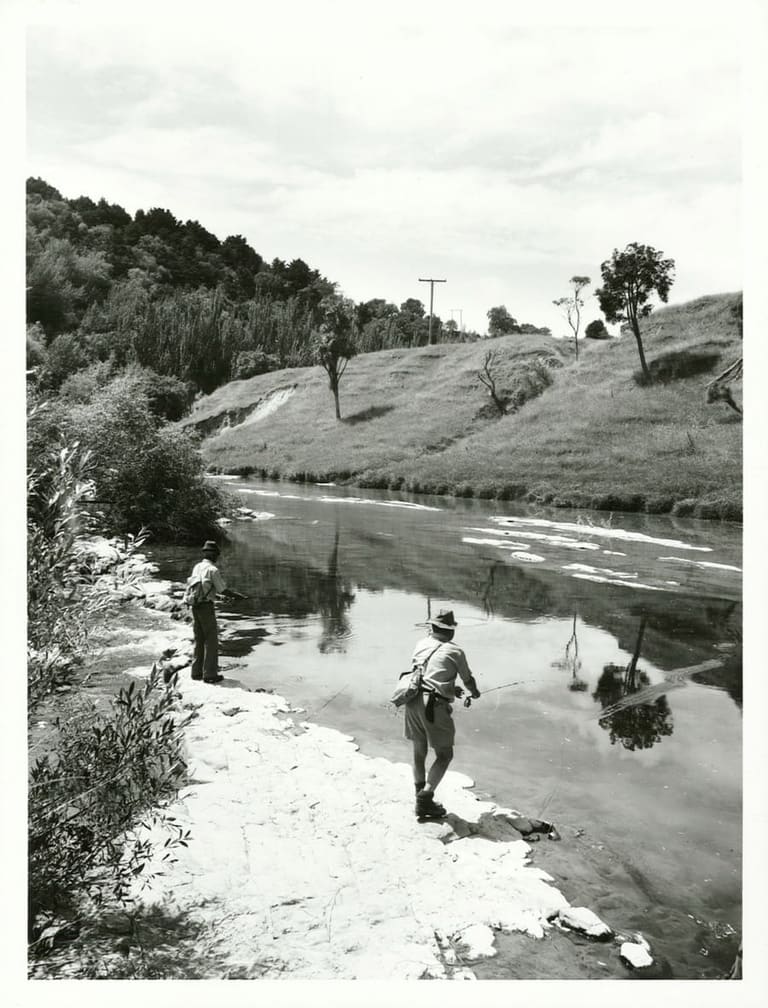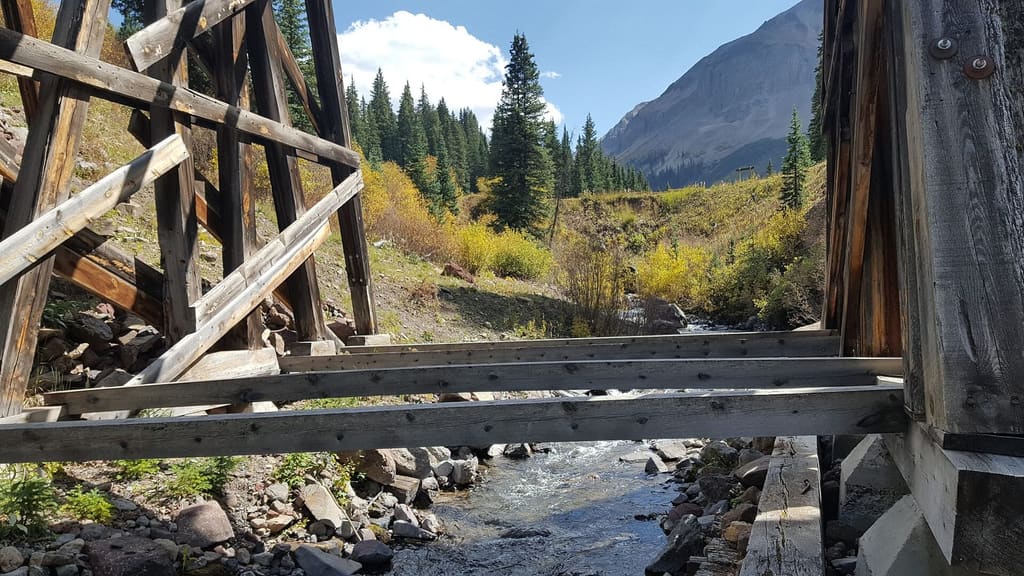
Most anglers who plateau at the intermediate level do not have a casting problem or a fly-selection problem. They have a location problem. They are making good drifts through water that holds no fish. Learning to read water is the single skill that separates anglers who cover a lot of river from anglers who catch a lot of fish.
Reading water means looking at a stretch of current and predicting where fish are holding before you ever make a cast. Trout are not scattered randomly. They sit in specific, predictable places that balance three needs: protection from current, access to drifting food, and cover from predators. Once you learn to spot those places, you stop fishing hopefully and start fishing deliberately.
What Trout Actually Want
Every holding spot a trout chooses is a compromise between three pressures. Understanding them turns a confusing river into a readable map.
- Comfort. Trout will not sit in heavy current all day. It burns more energy than they can take in. They look for soft water adjacent to fast water.
- Food. They want to be next to the current that delivers food, not in it. The faster the water nearby, the more food it carries past their nose.
- Safety. Depth, broken surface, overhead cover, and shade all reduce their exposure to ospreys, herons, and you.
The best lies offer all three at once: a feeding lane delivering bugs right past a comfortable, protected spot. Those are the places you want to find first.
Learn the Water Types
Rivers repeat a handful of structures over and over. Train your eye to name them.
Riffles
Riffles are the shallow, choppy sections where water tumbles over gravel and cobble. The broken surface oxygenates the water, hides the trout from above, and produces a huge share of a stream’s insect life. In the warmer months, especially morning and evening, fish move into riffles to feed actively. Do not walk past them just because they look thin. A riffle 2 feet deep with a textured surface is prime water.
Pools
A pool is the deep, slow section, usually formed where current has scoured out a depression. The head of the pool, where fast water dumps in, is often the best part: it concentrates food and oxygen. The deep belly holds fish during bright midday hours and in cold or low water. The tailout, where the pool shallows and speeds up again, is a classic spot for feeding fish at dawn and dusk, though they are spooky there.
Runs
A run is the in-between water: deeper than a riffle, faster than a pool, with a relatively even, walking-pace surface. Runs are arguably the most consistent trout water in any river because they combine depth, steady food delivery, and moderate current. If you only had time to fish one water type, fish the runs.
Find the Seams
If you remember one concept from this article, make it seams. A seam is the visible line where two currents of different speeds meet. You can usually see it as a foam line, a streak of bubbles, or a crease on the surface.
Seams matter because the fast side acts as a conveyor belt delivering food, while the slow side lets a trout hold without fighting the current. The fish sits in the soft water, just off the fast lane, and darts out to grab whatever drifts by. Foam is your friend here. The old saying holds: foam is home. A foam line marks the exact path the current is carrying food, and fish line up under it.
Look for seams:
- Behind and beside any midstream boulder
- Where a tributary or side channel rejoins the main flow
- Along the edge where the main current pulls away from a slower bank
- At the head of a pool where fast inflow meets slack water
Read the Structure
Anything that breaks the current creates a holding spot. Once you start seeing structure as fish-holding rather than scenery, every feature becomes a target.
- Boulders. The soft cushion forms in front of a rock as well as behind it. The downstream pocket gets the attention, but the pillow of slow water directly upstream of a big boulder is an overlooked spot.
- Undercut banks. On the outside of a bend, current carves under the bank and creates deep, shaded, protected water. These are big-fish lies. Drift your fly tight to the bank.
- Submerged wood. Logjams and sunken branches offer cover and current breaks. They are also tackle-eaters, so commit to drifting close and accept you will lose some flies.
- Drop-offs and ledges. A change in bottom depth slows the current near the streambed. Fish hold on the slow side of the lip, especially when nymphing deep.
- Pocket water. A jumbled run full of rocks is a maze of tiny holding spots. Treat each pocket as its own small target rather than one long drift.
Translate Reading Into Casting
Spotting the lie is half the job. The other half is putting your fly there with a drag-free drift.
- Approach from below. Trout face into the current, so wade upstream and cast up and across. You stay behind their field of view.
- Target the soft edge. Aim your fly to land on the slow side of a seam, or upstream of the lie so it drifts naturally into the strike zone.
- Mind the depth. A dry fly works when fish feed on top, but most of the time trout feed below the surface. If you are reading good water and getting nothing, add weight or a heavier nymph and get your fly to the bottom third of the column.
- Fish the close water first. Cast to the near edge of a run before reaching for the far seam, so you do not line and spook fish between you and your target.
A Simple On-Stream Routine
Build a habit you can run on any new piece of water:
- Stop and observe before stepping in.
- Identify the water type in front of you: riffle, run, pool, or pocket.
- Find the seams and foam lines.
- Pick the structure that offers comfort, food, and safety together.
- Plan an approach from downstream that lets you get a clean drift.
- Fish the closest, highest-probability lie first, then work outward.
Final Thoughts
Reading water is a skill that compounds. Every hour you spend watching seams form, noting where you hook fish, and connecting structure to results sharpens your eye for the next trip. Stop thinking of a river as one big body of moving water and start seeing it as a collection of small, specific living rooms where trout choose to sit. Fish those spots with intention, and your catch rate will climb without a single change to your casting stroke.