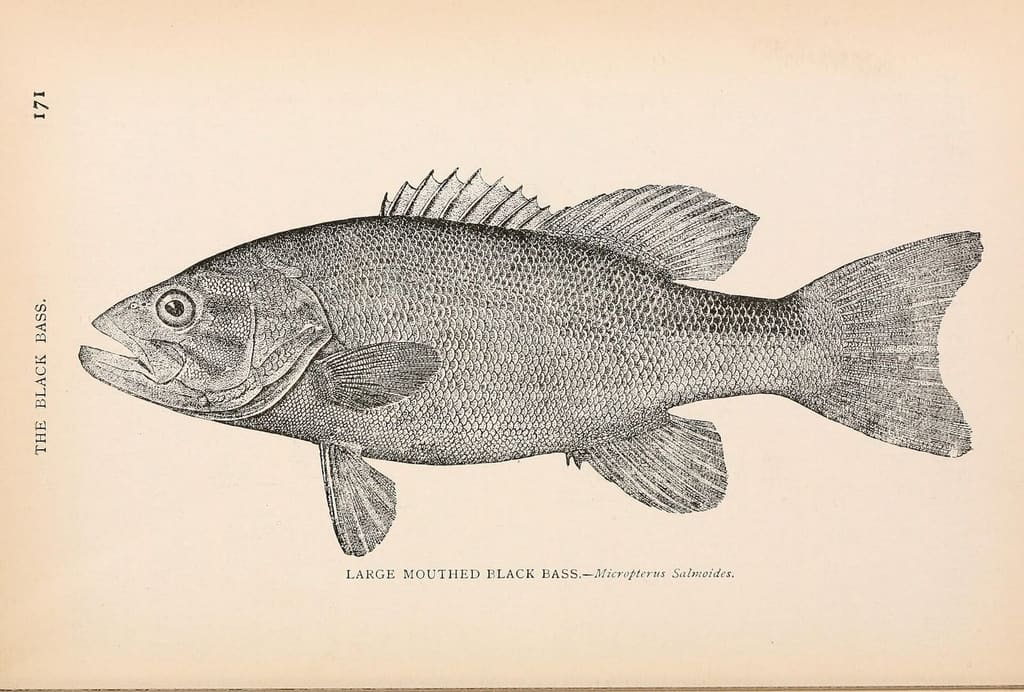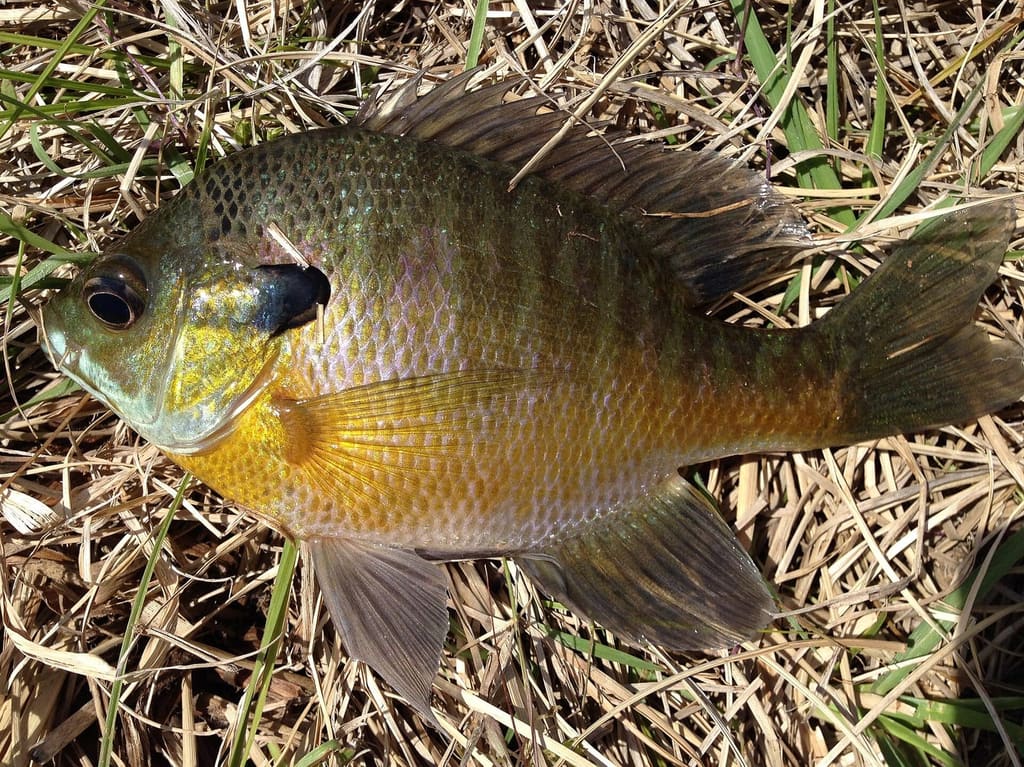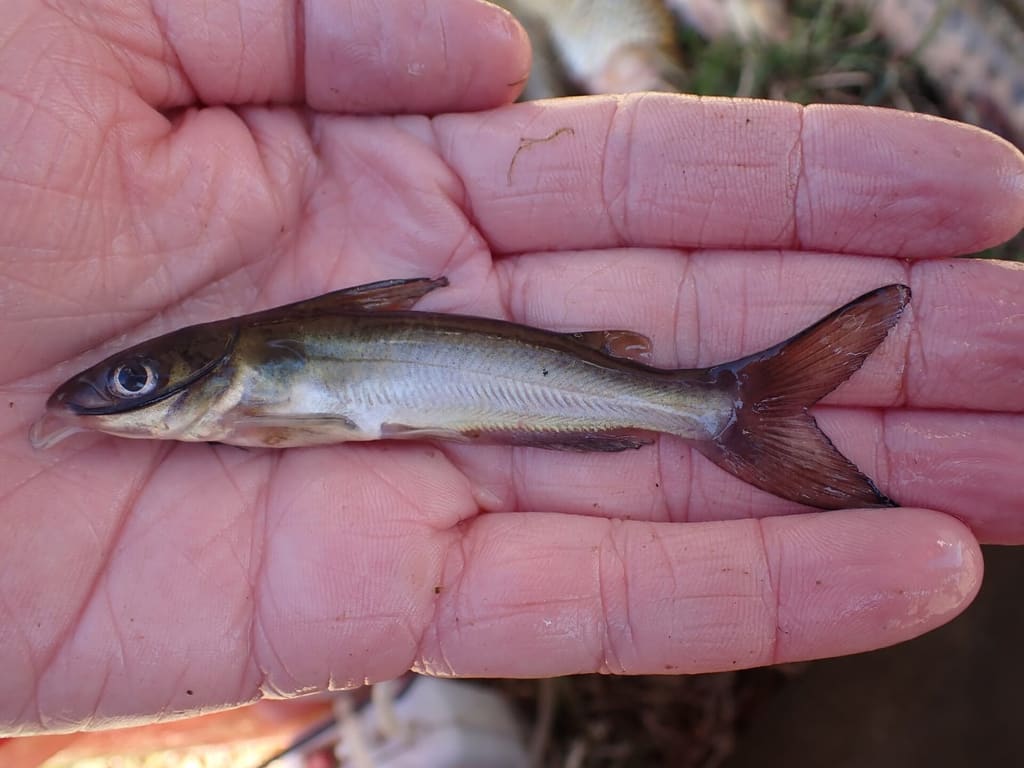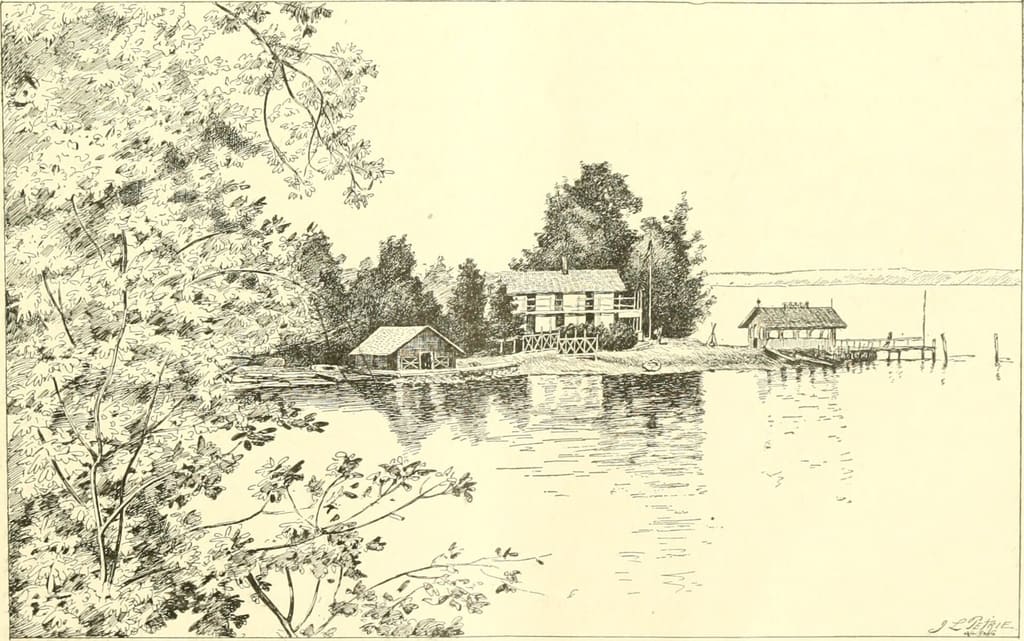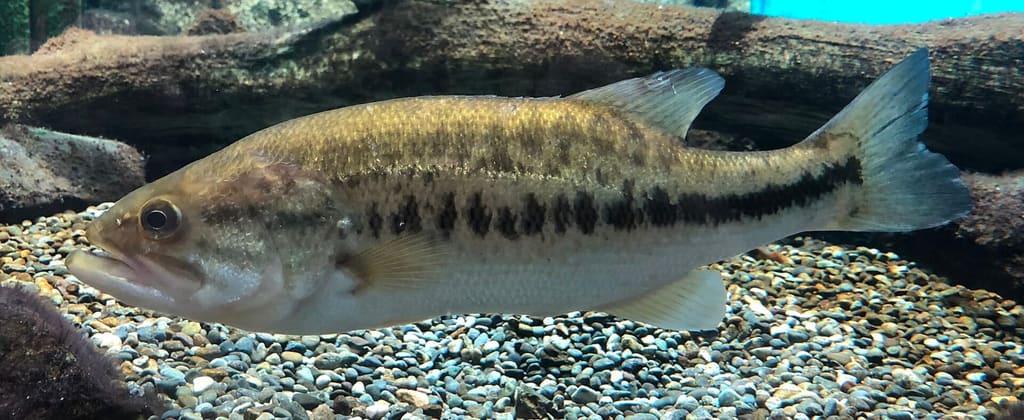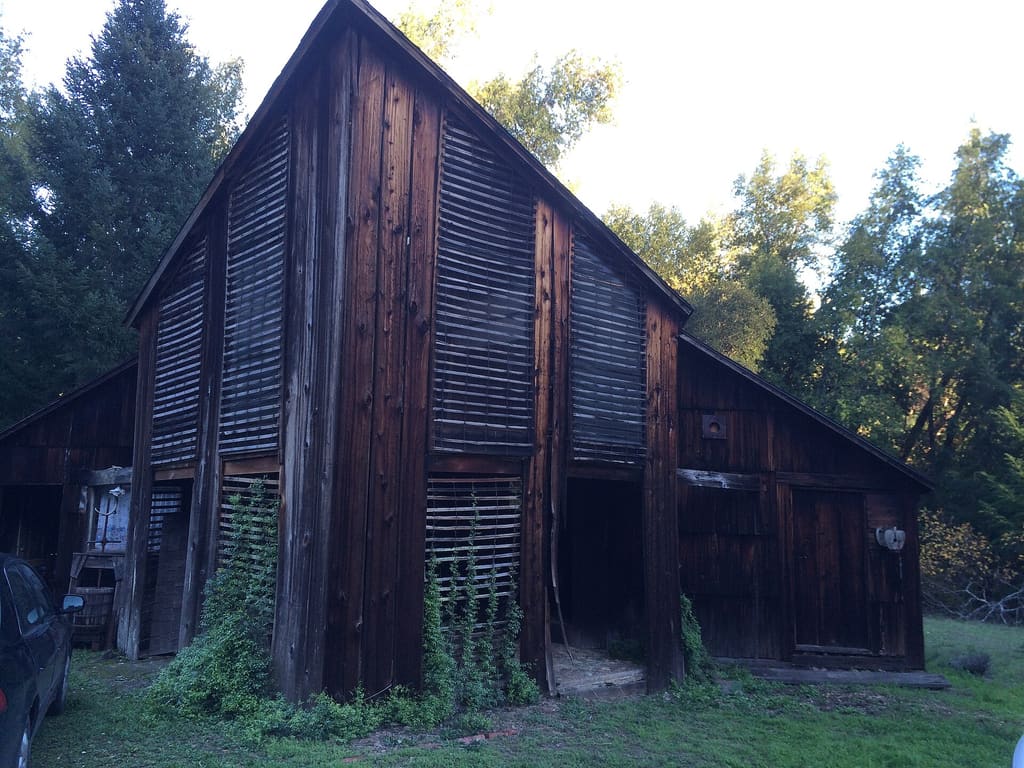
There are more farm ponds in the country than there are lakes, and almost nobody fishes them seriously. That is the entire opportunity. A one-acre cattle pond behind a barn will regularly produce bigger bass per hour of effort than a famous reservoir forty miles away, because the reservoir has a hundred boats on it every weekend and the pond has a landowner who has not wet a line since his kids moved out.
Small water is also the best classroom in fishing. You can see the whole thing. You can walk its entire shoreline in twenty minutes, watch what happens over a season, and build an actual mental model of where fish are and why — which is nearly impossible to do on ten thousand acres.
Why Small Ponds Are So Good
Density. A pond has a fixed, small volume. Whatever fish are in it are concentrated into water you can cover in an afternoon rather than spread across square miles.
Low pressure. Most private ponds see a handful of anglers a year, sometimes none. Fish that have never been caught behave very differently from fish that see forty lures a day — they hit harder, hold shallower, and are far less picky about presentation.
Predictable forage. A typical pond holds bass, bluegill, and maybe channel catfish, and the bass eat the bluegill. That is nearly the whole food web. Knowing what the fish eat is usually a puzzle; here it is handed to you.
Genuinely big fish. Ponds with good forage and light harvest grow large bass. Some of the biggest bass most anglers ever catch come out of water they could throw a rock across.
No boat, no launch, no fuel. You park, you walk, you fish.
Reading a Pond With No Electronics
You do not need a fish finder on an acre of water. You need to look, and to understand that a pond has structure even when the surface tells you nothing.
Most ponds were dug or dammed, which gives them a consistent and readable shape.
Find the dam. Almost every farm pond has one end that is an earthen dam — a raised, usually straight bank, often with a spillway or overflow pipe, frequently mown or rock-faced. This is the deepest water in the pond, usually by a wide margin, and the drop is steep and close to shore. In summer heat and in winter cold, this is where fish go. Walk the pond once and identify the dam before you make a cast; it is the single most valuable piece of information available.
Find the inflow. The opposite end is usually the shallow end where runoff enters. It warms first in spring, holds spawning fish, and can be excellent after rain when fresh, oxygenated water brings in food.
Read the bank slope above water. A bank that drops steeply above the waterline almost always keeps dropping below it. A bank that runs out flat and grassy is shallow well out. You can map a pond’s basic depth profile just by walking around it and looking at the ground.
Watch the weeds. Vegetation only grows where light reaches the bottom, so the outer edge of the weed line is a depth contour drawn for you. Where the weeds stop, the water got too deep for them — and that edge is a highway.
Look for anything different. A single willow trailing branches in the water. A stock tank overflow. A cattle crossing where the bank is broken down. An old fence line running into the water. A rock pile. Isolated cover on an otherwise plain shoreline concentrates fish harder in a pond than almost anywhere else.
Watch the water itself. Baitfish flickering, a swirl, a bluegill bed visible as a cluster of pale circles on the bottom in early summer, or a mudline where a fish has been feeding. On small clear water you get information a boat angler on a big lake never gets.
Seasonal Movement in Shallow Water
Ponds are shallow, and shallow water reacts fast. Temperature swings that a big lake absorbs over weeks happen in a pond over a couple of sunny days. That makes ponds volatile but also predictable if you know the pattern.
Early spring. Fish move to the shallowest, darkest-bottomed, most sun-exposed water in the pond — usually the north bank, which gets the most direct sun, and the shallow inflow end. A pond can be several degrees warmer at one end than the other, and the fish will be at the warm end.
Spawn. Bass move onto hard-bottom shallows to bed, and bluegill follow later in dense colonies. Beds are often visible in clear ponds. Fish are catchable but vulnerable, so this is the time to be gentle: handle quickly and put them back where you got them.
Summer. Early morning and late evening in the shallows, then out to the dam, the deepest hole, or under shade and heavy weed mats during the day. Oxygen becomes the limiting factor in hot weather — deep water in a small pond can go oxygen-poor in mid-summer, which sometimes pushes fish shallower than you would expect rather than deeper. Weed edges and shade are the safe bet.
Fall. Cooling water and shorter days trigger heavy feeding. This is often the best fishing of the year in a pond. Fish spread out and chase, and moving baits shine.
Winter. Deepest water, near the dam, slow presentations. Ponds can fish well in winter on sunny afternoons when shallow water warms a couple of degrees.
Where to Cast
A practical order for a pond you have never fished:
- The weed edge, worked parallel so the bait stays in the strike zone the whole retrieve.
- The dam, especially where it meets the side banks — those corners are depth transitions.
- Any isolated cover: a laydown, a stump, a lone bush, an overhanging tree.
- The shallow inflow end, particularly in spring and after rain.
- Points and irregularities in the bank, however small. A three-foot bump out on a pond bank does the same job that a hundred-yard point does on a reservoir.
- Open water last, and only if you have seen activity there.
Fish the near water before you wade in and stand in it. On a pond, fish sit remarkably close to the bank, and most anglers spook their best fish on the first cast by walking to the water’s edge and firing a lure to the far side.
Best Lures for Ponds
Ponds do not require specialised tackle. A medium spinning setup with 8 to 12 pound line handles nearly everything, and the same combo covered in choosing a fishing rod works fine.
Weightless soft plastic stickbait. If you take one lure to a pond, take this. Wacky-rigged or Texas-rigged, cast to any cover, let it fall on slack line, twitch it, let it fall again. It looks like an injured bluegill and pond bass eat it reliably.
Texas-rigged soft plastic worm or creature bait. Weedless, so you can drag it through the weeds and brush that ponds are full of.
Small spinnerbait or inline spinner. Great for covering water quickly, especially in stained ponds and in fall.
Squarebill crankbait. Deflects off wood and rock, provokes reaction strikes, good for finding active fish fast.
Hollow-body frog. Ponds grow thick surface mats and mats hold big bass. A frog is the only practical way to fish over them, and the strikes are memorable.
Topwater walking bait or popper. Early and late in calm conditions. See topwater fishing for the retrieve details.
A hook and a worm under a small float. For bluegill, which are abundant in almost every pond, unfailingly cooperative, and the fastest way to introduce someone new to fishing. The bluegill fishing guide covers the specifics.
Keep it small. A pond bass eats bluegill and small bluegill are not large, so downsizing usually outproduces upsizing.
Access and Permission
Nearly every farm pond is on private land, and this is the part that decides whether you fish good water for years or get run off once.
Ask in person. Not by note on a gate, not by text. Knock on the door in the middle of the day, introduce yourself, be specific about what you want — “I’d like to fish your pond for a couple of hours on Saturday afternoon, catch and release” — and accept no gracefully.
Ask for less than you want. A single afternoon is an easy yes. Unlimited access is a hard one. Earn the second by being unremarkable during the first.
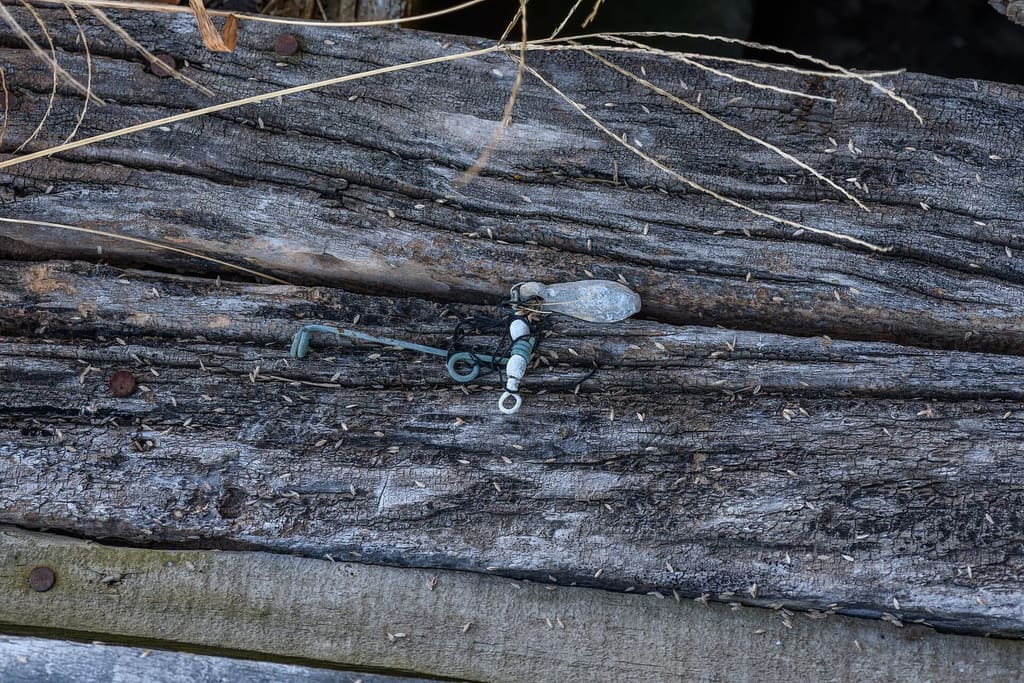
Then behave. Close every gate you open. Park where you are told. Do not drive on wet ground. Do not bring people who were not discussed. Leave with more trash than you brought. Never leave line or hooks on the bank — a coil of monofilament kills livestock and wildlife.
Follow up. Tell the landowner how you did. Offer some fish if they want them, or a bag of something at Christmas. Landowners overwhelmingly say the reason they stop letting people fish is not the fishing — it is gates left open and people who never said thank you.
Regulations still apply. Private water does not automatically mean no rules. Licensing and stocking regulations vary by state, and a pond connected to a public waterway is often treated differently from a fully enclosed one. Check before you assume.
Pond Management Basics
If you get regular access, or if the pond is yours, understanding management makes the fishing better and makes you a more welcome guest.
The classic bass-bluegill pond is a balancing act. Bluegill reproduce prolifically; bass eat them and keep the numbers in check. When that balance tips, the pond goes wrong in one of two recognisable ways.
Too many small bass. Lots of skinny bass in the ten to twelve inch range, few bluegill of any size, nothing growing. The bass are eating all the bluegill and then competing with each other for the remainder. The fix is counterintuitive: harvest small bass. Removing them lets bluegill numbers recover, which lets the remaining bass grow.
Too many small bluegill. Stunted bluegill everywhere, a handful of very large bass. Not enough bass to control reproduction. The fix is to protect the bass — release everything — and let predation catch up.
You can read a pond’s condition from what you catch. Fat bluegill of mixed sizes and bass with good shoulders means it is balanced. Uniformly small fish of one species means it is not.
Other basics: some vegetation is good and provides cover and oxygen, but a pond choked bank to bank is a problem. Aeration helps in ponds prone to summer oxygen crashes. Adding structure — brush piles, sunk pallets, rock — improves a featureless pond considerably. And a landowner who mentions any of this is usually delighted to talk about it, which is one of the better ways to secure standing permission.
Common Questions
Do I need a fishing licence to fish a private pond?
Usually yes, and sometimes no — it varies significantly by state and by the pond’s characteristics. Many states require a licence for all fishing regardless of land ownership, some exempt landowners and immediate family on their own water, and some exempt fully enclosed private ponds with no connection to public waters while regulating any pond that drains into or connects with a public system. The consequences of guessing wrong fall on you, not the landowner, so check your state fish and wildlife agency’s rules for private waters before your first trip.
What size fish should I expect from a small pond?
More than most people assume. A well-balanced pond of an acre or two with decent forage and light harvest routinely produces bass in the three to five pound range, and small waters have produced genuinely large fish. The limiting factors are forage abundance, how much water the pond holds through summer, and how many fish are removed each year. A pond that gets harvested hard, or one that nearly dries up in August, will hold plenty of small fish and few big ones. Ask the landowner what has come out of it — they usually know, and it tells you what you are working with.
Is it better to fish a pond from the bank or a small boat?
Bank fishing is usually plenty on water this size and often better, because you can approach quietly, stay off the skyline, and reach the productive edges without pushing a wake across the whole pond. A float tube, kayak or small johnboat helps on ponds with brushy or steep banks you cannot walk, and it lets you fish the middle and cast back toward the shoreline, which is a genuinely different angle. But on a typical one-acre pond you can reach nearly all the fish-holding water on foot, and the walking is part of what makes small water such good practice at reading it.
Final Thoughts
Farm ponds reward the exact skill that big water makes hard to develop: looking at a piece of water and working out where the fish are. Find the dam, find the weed edge, find the one thing on the bank that is different from everything else, and fish those first.
Get permission properly, close the gates, and take nothing but line clippings home, and you may end up with a private fishery of your own for years. Bring the basic gear, a handful of soft plastics, and an hour before dark. Small water gives back far more than its size suggests.