The spinnerbait is one of the most forgiving and versatile lures in freshwater fishing, which is exactly why it belongs in every bass angler’s box. It is a single hook riding point-up beneath a wire arm, with one or more spinning blades that flash and thump as you reel. That design lets it slide through wood, grass, and rock with far fewer snags than a treble-hooked crankbait, while still calling fish in from a distance.
What makes the spinnerbait worth learning is that it covers water fast and tells you quickly whether bass are active. You can fan-cast a shoreline, find a school, and then slow down with a finesse bait once you know where they are living. This guide walks through gear, blade selection, retrieves, and the situations where a spinnerbait outfishes almost anything else.
How a Spinnerbait Works
A spinnerbait triggers strikes through two channels at once: flash and vibration. As the blade rotates, it reflects light like a fleeing baitfish and pushes water that bass detect through their lateral line. In clear water the flash does most of the work. In stained or muddy water the thump becomes the primary signal, which is why blade choice matters so much.
The lead head and hook hang below the wire, and the upper arm shields the hook point from snagging. That weedless quality is the lure’s superpower. You can throw it into places that would bury most other moving baits.
Choosing Blades
Blade shape changes both the sound and the action of the bait. The three styles you will see most are:
- Colorado: Round, cupped, and high-resistance. It spins slowly, lifts in the water column, and throws heavy vibration. Best for muddy water, cold water, and slow retrieves.
- Willowleaf: Long and narrow with maximum flash and minimal drag. It runs deeper and faster and excels in clear water and around grass.
- Indiana: A teardrop middle ground between the two, offering a balance of thump and flash.
Many production baits use a tandem setup, often a small Colorado up front for thump and a larger willowleaf in back for flash. That combination is a reliable default when you are not sure what the fish want.
Picking Size, Weight, and Color
Weight controls how deep the bait runs and how fast you can fish it. A general starting framework:
- Shallow cover, 1 to 6 feet: A 3/8 ounce bait is the all-around standard.
- Wind, current, or deeper grass, 6 to 12 feet: Step up to 1/2 ounce for better contact and casting distance.
- Deep structure or slow-rolling, over 12 feet: Use 3/4 ounce so the bait stays down without burning the retrieve.
For color, keep it simple. White and white-chartreuse cover the majority of situations and imitate shad and bluegill. Add a darker pattern such as black or black-blue for muddy water or low light. Match the blade finish to the sky: gold or copper on overcast days and in stained water, silver or nickel under bright sun and in clear water.
Gear and Setup
You do not need specialized tackle, but balanced gear makes a real difference in casting and hook-setting.
- Rod: A 6-foot-10-inch to 7-foot-2-inch medium-heavy casting rod with moderate-fast action. The slight give helps fish load up on the single hook before you set.
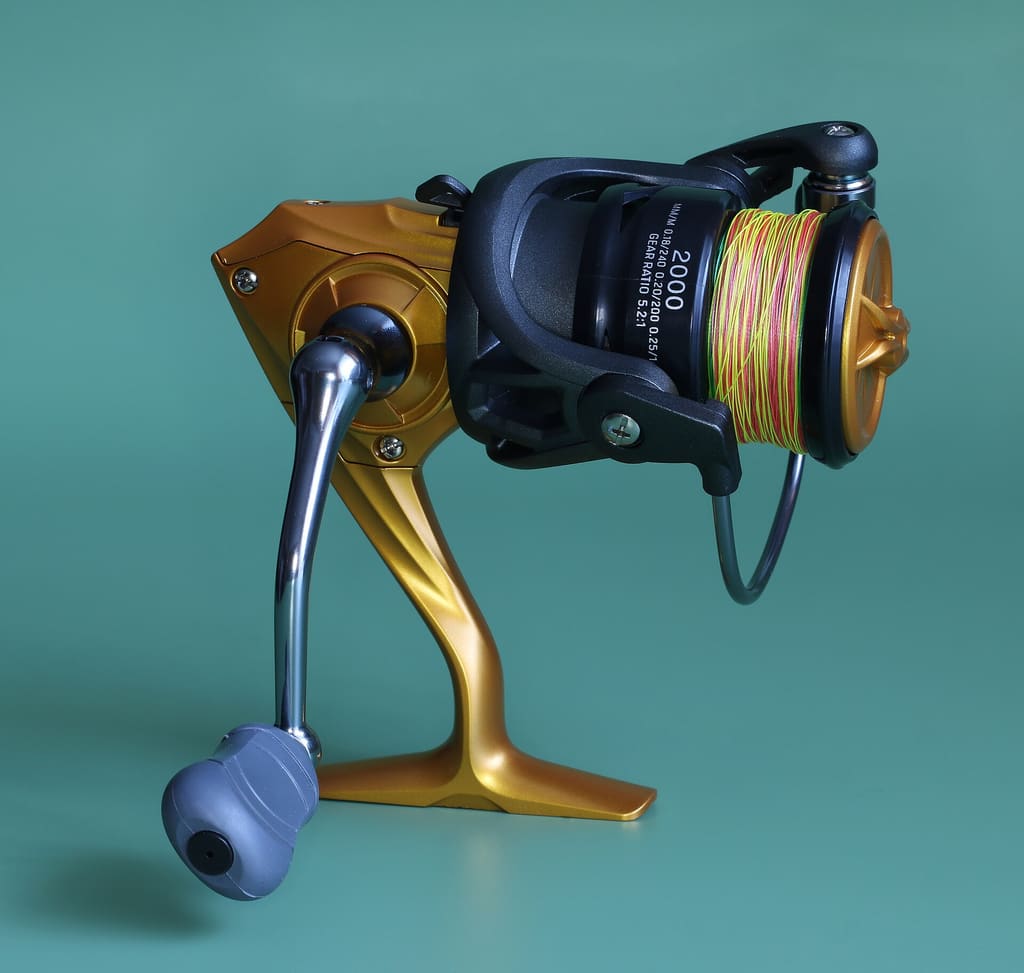
- Reel: A baitcaster in the 6.4:1 to 7.1:1 range gives you speed when you need it and control when you slow down.
- Line: 14 to 17 pound fluorocarbon for most conditions. Move to braid when fishing heavy grass so you can rip the bait free.
Tie directly to the line tie or wire with a snug knot. A snap is optional and lets you swap baits quickly, but tying direct keeps the bait tracking straight. Always check that the bait runs true after a cast; if it leans to one side, bend the upper arm slightly until it tracks straight back to you.
Retrieves That Catch Fish
The spinnerbait is most often fished as a steady moving bait, but varying the retrieve is what separates good days from blank ones.
Steady Reeling
Cast, let the bait sink to the depth you want, and reel at a constant pace that keeps the blades turning and just under the surface or over cover. This is your search retrieve. Cover water and look for reaction strikes.
Slow-Rolling
Let the bait sink to the bottom and crawl it just fast enough to feel the blade thump, keeping it near structure. This is a cold-water and deep-water technique that puts the bait in front of inactive fish.
Waking and Bulging
Speed up enough that the bait pushes a wake or bulges the surface without breaking through. This excels in warm, shallow water and around schooling fish.
Deflection
The single most reliable trigger is contact. Bump the bait into a stump, dock post, laydown, or rock and let it deflect. That sudden change in direction imitates a fleeing baitfish and draws reaction strikes.
Reading Conditions
Spinnerbaits shine when conditions are slightly tough rather than perfect. Wind is your friend: a chop on the surface breaks up the light, makes the flash less suspicious, and pushes baitfish toward windblown banks. Throw into the wind-blown shoreline and fan-cast points and grass edges.
Stained water after rain is prime spinnerbait territory because fish rely on vibration and the lure stands out. In gin-clear water, downsize the profile, use a willowleaf for flash, and fish faster so fish react rather than inspect. Low light at dawn and dusk and overcast days extend the bite window into shallower water.
Trailers and Tuning
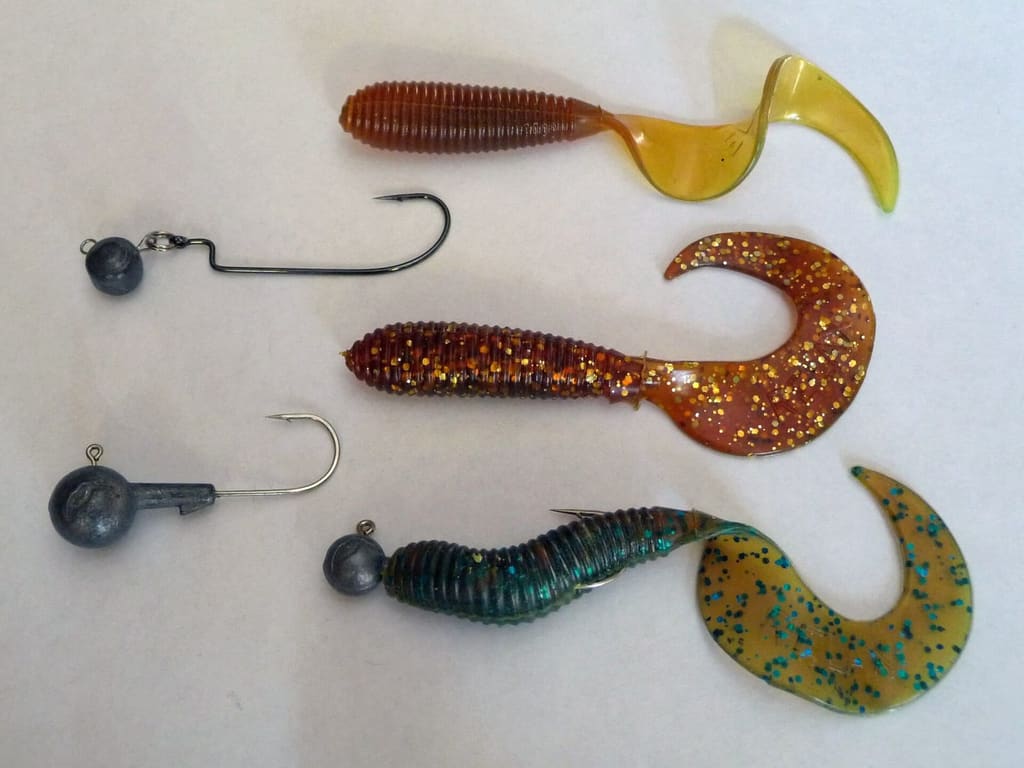
A soft-plastic trailer or trailer hook can change everything on a slow bite.
- Soft-plastic trailers add bulk and a swimming action; a paddle-tail grub or a twin-tail is a classic addition.
- Trailer hooks improve your hookup rate on short strikers, though they cost you some weedlessness, so reserve them for open water and sparse cover.
Trim or change trailers to dial in the fall rate. A bigger trailer slows the sink and keeps the bait higher; a smaller one lets it drop faster.
Common Mistakes to Avoid
- Reeling too fast in cold water. Slow down until you can feel each blade beat.
- Ignoring cover. Open-water casts rarely beat targeted casts into wood, grass, and rock.
- Setting the hook too hard, too early. Let the fish load the rod, then sweep-set; the single hook drives home easily.
- Sticking with one blade and color all day. Switch when the pattern is not producing instead of fishing on hope.
- Not retuning the bait. A bait that runs sideways after hitting cover will spook fish; straighten the arm.
Final Thoughts
The spinnerbait rewards anglers who pay attention. Choose blades and weight for the water in front of you, keep the bait near cover, and let deflections and the fall do the triggering. Start with a 3/8 ounce white tandem blade, cover water until you find active fish, and adjust from there. Once you learn to read the conditions and feel the blade through your rod, the spinnerbait becomes a year-round tool that finds bass when other lures come up empty.