If you have ever felt a rod nearly yank out of a rod holder on a warm summer evening, there is a good chance a channel catfish was on the other end. Found in lakes, rivers, ponds, and reservoirs across most of the country, the channel cat is the most-caught catfish in North America and one of the best fish a beginner can target. They are willing biters, they fight hard, they grow to a respectable size, and they taste excellent on the table.
Best of all, you do not need a boat or fancy gear to catch them. A rod, a few hooks, some weight, and a piece of stinky bait will put you on fish from a dock, a bank, or a kayak. Here is everything you need to know to catch your first channel catfish and then keep catching them.
How to Identify a Channel Catfish
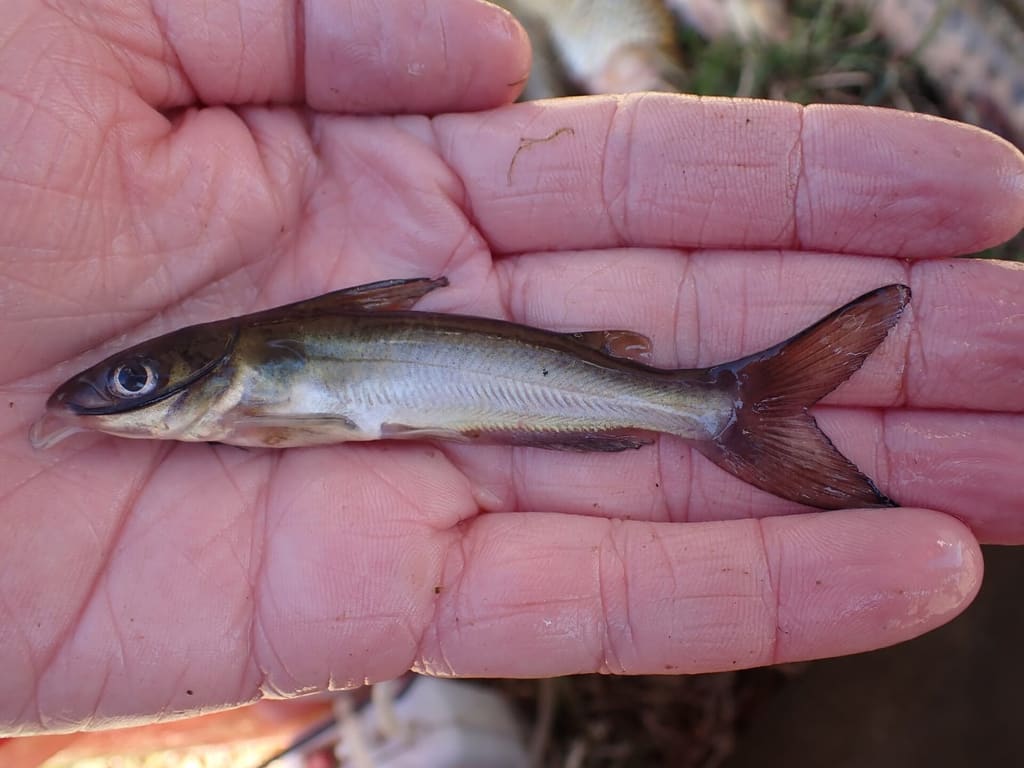
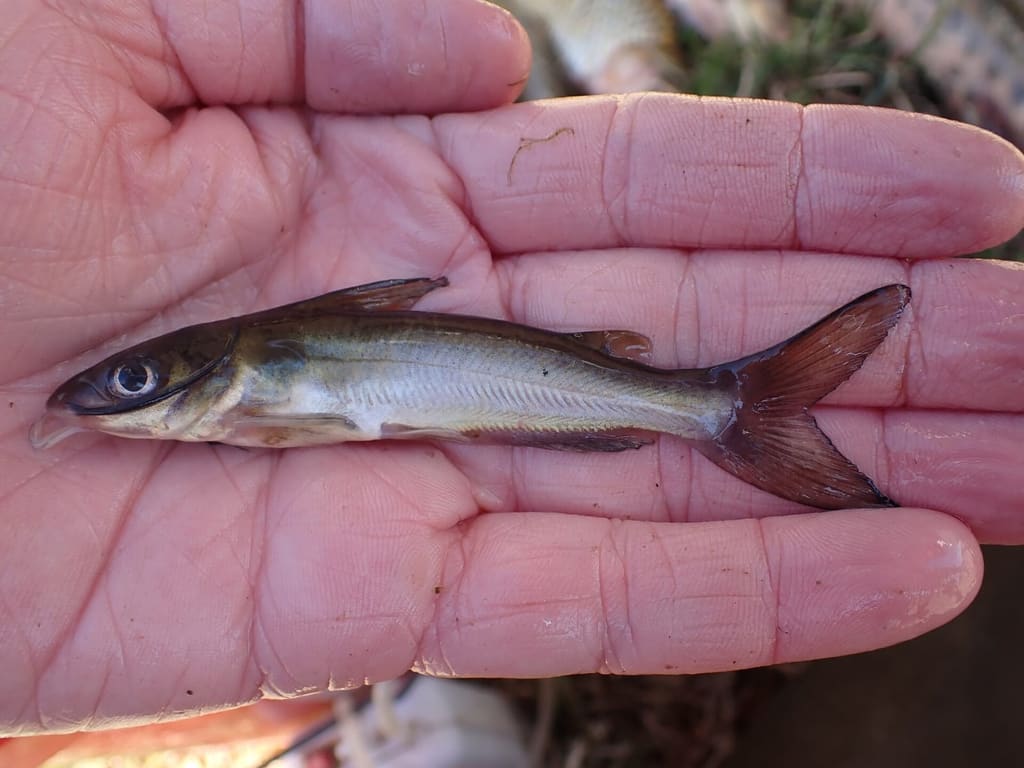
Channel catfish (Ictalurus punctatus) are easy to recognize once you know what to look for. They have a slender, streamlined body compared to the bulkier flathead or blue catfish, and like all catfish they have smooth, scaleless skin and long whisker-like barbels around the mouth.
Key identification features:
- A deeply forked tail, which separates them from flathead catfish (which have a squared or rounded tail)
- A rounded anal fin with 24 to 29 rays, the main feature that separates them from blue catfish (which have a straight-edged anal fin)
- Color that ranges from olive-brown to slate gray on top, fading to a white or silvery belly
- Dark, irregular spots scattered along the sides, especially on younger fish (older fish often lose these spots)
Range and Habitat
Channel catfish are native to much of central and eastern North America and have been widely stocked, so today they live in nearly every state in the lower 48. You will find them in rivers, large creeks, lakes, reservoirs, farm ponds, and even slow tailwater stretches below dams.
They are adaptable fish that tolerate a wide range of conditions, but they favor certain spots:
- Deeper holes and channels in rivers, especially where current slows
- Outside bends where the current has scoured a deeper cut
- Areas near cover such as submerged logs, brush piles, undercut banks, and rock
- Confluences where a creek or feeder stream enters a larger body of water
- Dam tailraces, where current concentrates baitfish and dissolved oxygen
In lakes and ponds, focus on points, drop-offs, channel edges, and the deeper water near a dam or outflow. Channel cats roam to feed, so do not assume they are only in the deepest hole.
Diet and Forage
Channel catfish are true opportunistic feeders, and this is exactly why they are so easy to catch. They use a remarkable sense of smell and taste, with taste buds covering their barbels and much of their body, to find food in murky water and at night.
Their natural diet includes:
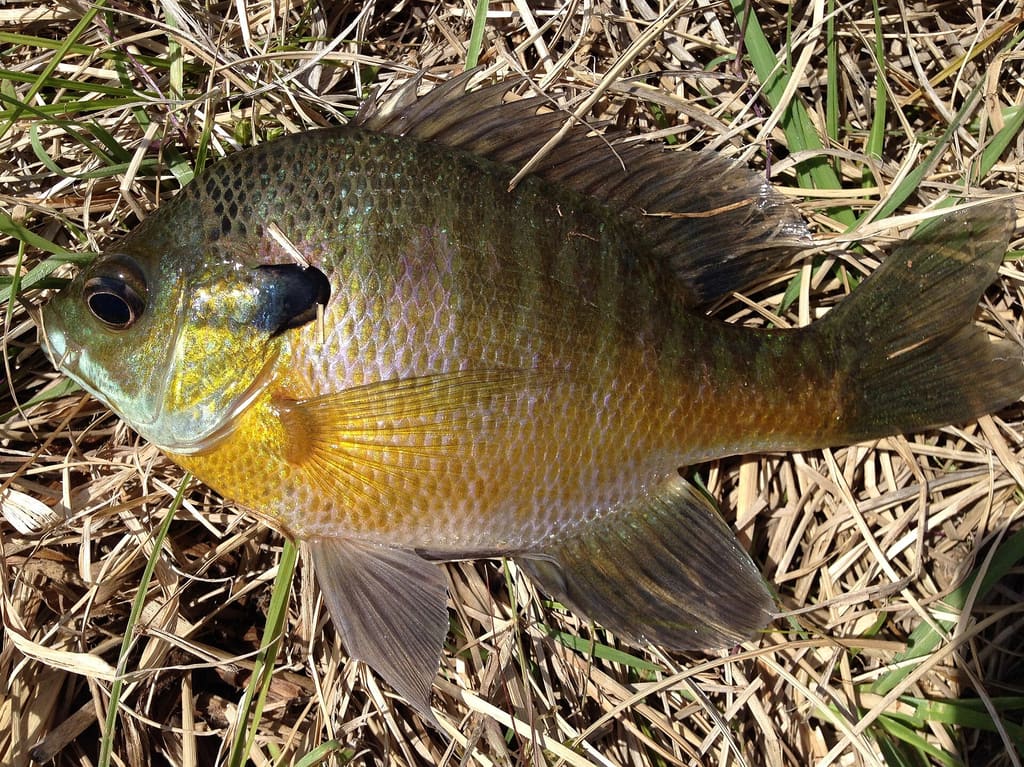
- Small fish such as shad, minnows, and bluegill
- Crayfish, aquatic insects, and worms
- Mussels and snails
- Plant matter, seeds, and even fruit that falls into the water
- Dead or decaying matter scavenged off the bottom
That broad menu is good news for anglers. Because channel cats eat so many things and hunt largely by scent, a wide variety of baits will work, from natural offerings to pungent prepared baits.
Seasonal Behavior
Understanding the seasons helps you find active fish.
Spring
As water warms into the 60s and low 70s degrees Fahrenheit, channel cats feed heavily and move shallower. Pre-spawn fish are aggressive and predictable. This is a great time for bank anglers.
Summer
Summer is prime time. Channel cats feed most actively in low light and after dark, making evening and night fishing extremely productive. During hot days they often hold in deeper, cooler water and move shallow to feed when the sun drops.
Fall
Cooling water triggers another strong feeding period as fish put on weight for winter. Target transition areas between shallow flats and deeper holes.
Winter
Cold water slows their metabolism. Fish move to the deepest, most stable water and feed sparingly. You can still catch them, but bites are fewer and you will need patience and a slow presentation.
Best Baits and Lures
Channel catfish are caught almost entirely on bait rather than lures, because they rely on scent. The good news is that effective baits are cheap and easy to find.
Top bait choices:
- Nightcrawlers and worms - reliable, cheap, and available everywhere. A great starter bait.
- Cut bait - chunks of shad, herring, or other oily fish. Excellent for larger channel cats.
- Chicken liver - inexpensive and very effective, though it can be tricky to keep on the hook. Use a treble hook or a small bait holder.
- Prepared stink baits and dip baits - paste or sponge baits designed specifically for channel cats. Messy but deadly in warm water.
- Live or dead minnows - good when fish are keying on baitfish.
- Hot dogs and shrimp - surprisingly effective grocery-store options for ponds and smaller fish.
For tackle, keep it simple. A medium to medium-heavy rod, a baitcasting or spinning reel spooled with 15 to 20 pound line, circle hooks in sizes 2 to 5/0 depending on bait, and an assortment of egg sinkers will handle almost everything.
Proven Techniques
You do not need to overthink this. Two basic rigs catch the vast majority of channel cats.
-
Slip sinker (Carolina) rig - Slide an egg sinker onto your main line, add a bead, tie on a barrel swivel, then add a leader of 12 to 24 inches and a hook. This lets a fish pick up the bait and move without feeling the weight, which is ideal for cautious biters.
-
Three-way or bottom rig - Useful in current. A three-way swivel holds a dropper line to the weight and a separate leader to the hook, keeping bait just off the bottom.
Practical tips that catch more fish:
- Use a circle hook and do not set the hook hard. When you feel weight, just reel steadily and let the hook find the corner of the mouth.
- Fish multiple rods if your local rules allow, and vary your baits until the fish tell you what they want.
- Be patient and give a spot 20 to 30 minutes. If you get no bites, move. Channel cats are roamers and so should you be.
- Keep your bait fresh. Scent fades, so re-bait regularly.
Realistic Size and Records
For everyday fishing, most channel catfish you catch will run from about 1 to 5 pounds, with fish in the 5 to 10 pound range being a very good catch in most waters. Channels exceeding 10 to 15 pounds are genuine trophies that take experience and the right water to find.
The species can grow much larger. The all-tackle world record channel catfish, recognized by the International Game Fish Association, weighed 58 pounds and was caught in South Carolina in 1964 and has stood for decades, which tells you how exceptional a fish that size truly is. Do not expect numbers like that on a typical outing, but know the potential is there.
Final Thoughts
Channel catfish are the perfect species for a new angler and a satisfying target for experienced ones. They are widespread, willing to bite a simple piece of bait, and strong enough to make any rod bend. Start with a worm or some cut bait on a slip sinker rig, fish near the bottom around deeper water and cover, and pick a summer evening if you can. Stay patient, handle them carefully around those spines, and you will be rewarded with one of the most dependable bites in freshwater fishing.