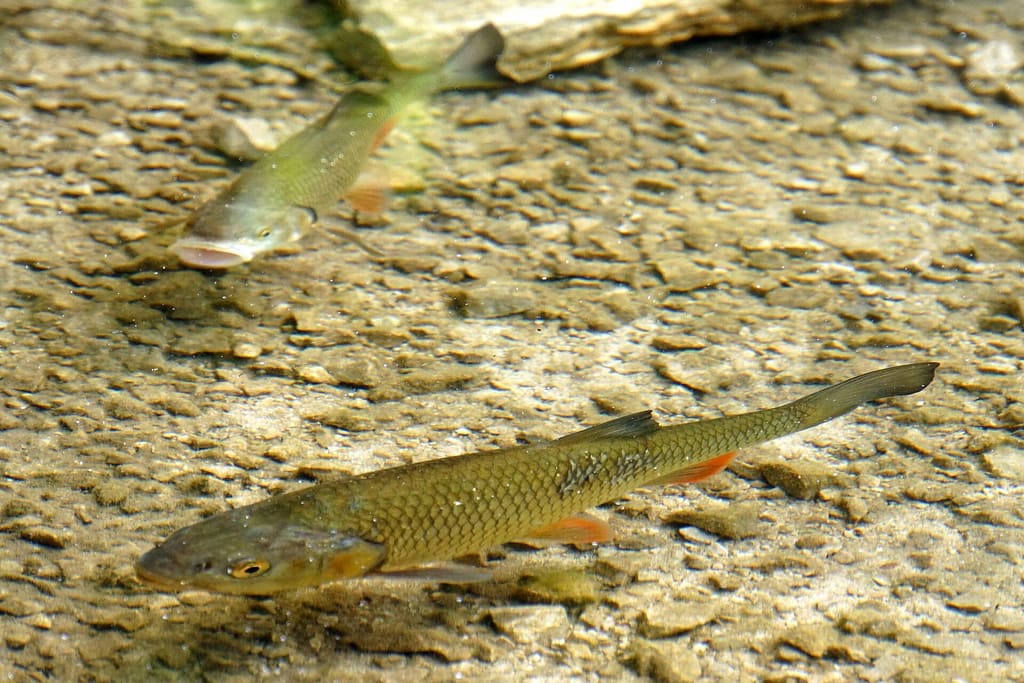
Fishing looks complicated from the outside, but the truth is you can catch your first fish with a handful of cheap gear and an afternoon at a local pond. Every experienced angler started exactly where you are now: standing on a bank, wondering if they were doing it right. The good news is that fish are forgiving, and the basics are genuinely simple to learn.
This guide walks you through everything you need for your first trip, from picking gear and tying a knot to actually hooking, landing, and releasing a fish. Read it once, gather your kit, and go. The water teaches the rest.
Start with the Right Mindset
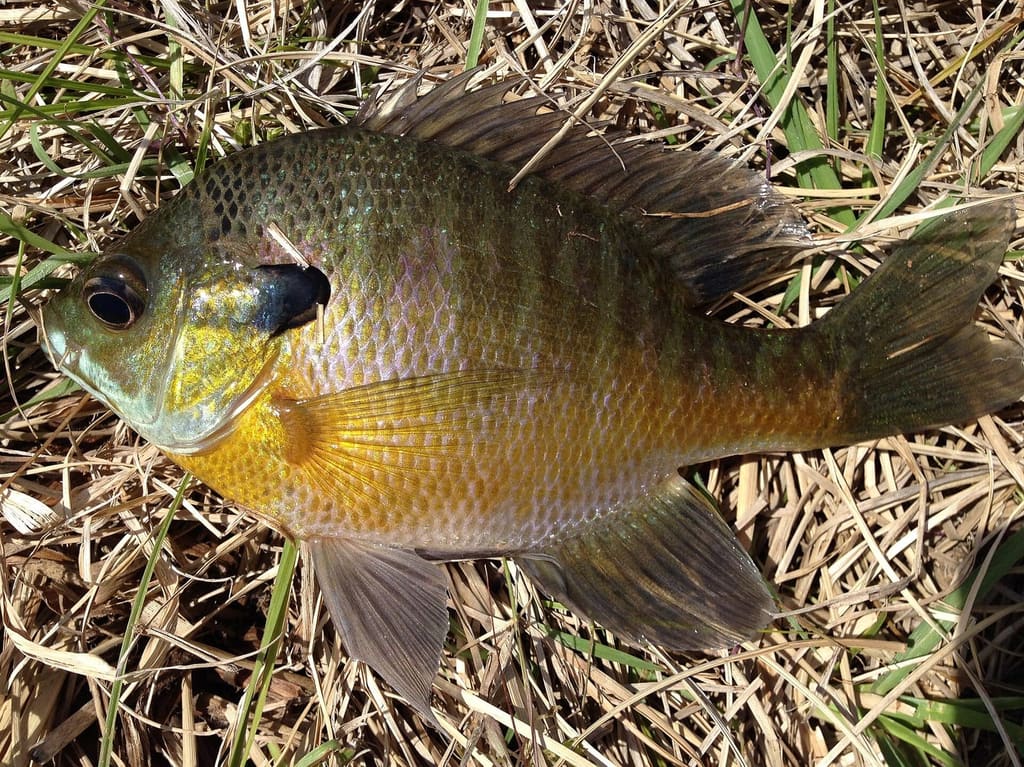
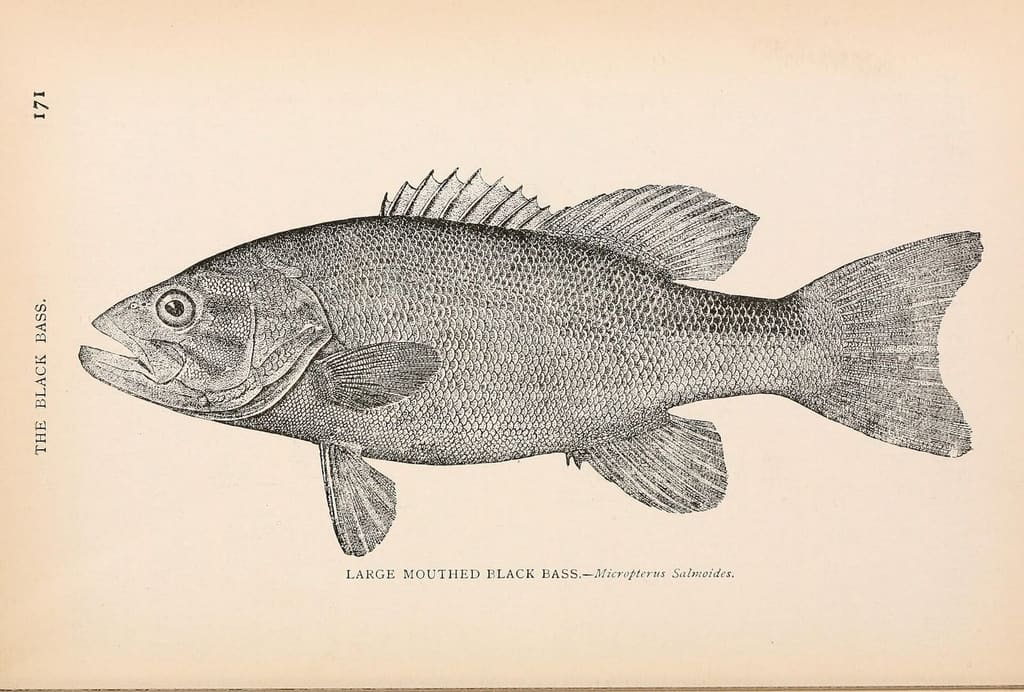
Your goal on day one is not a trophy. It is to make a cast, get a bite, and feel how the whole thing works. Bluegill, sunfish, perch, and small bass are abundant, eager, and perfect teachers. They live in nearly every pond, lake, and slow river in the country, and they will bite a worm without much persuasion.
Keep your first few trips short and close to home. Familiar water lowers the pressure and lets you focus on technique instead of logistics.
Gather the Basic Gear
You do not need an expensive rod or a tackle box full of lures. Here is a starter kit that covers nearly all freshwater situations:
- A spinning rod and reel combo, around 6 to 7 feet, in a medium or medium-light power. Pre-spooled combos cost very little and work fine.
- Monofilament line in the 6 to 10 pound range. It is cheap, stretchy, and forgiving for beginners.
- A small assortment of hooks, sizes 6 to 10 for panfish.
- A few split-shot sinkers and a couple of bobbers (also called floats).
- Live bait such as nightcrawlers or red worms, or a small jar of artificial bait.
- Needle-nose pliers for removing hooks.
- A small towel and a way to carry everything.
Set Up Your Rig
A bobber rig is the easiest and most satisfying setup for a beginner. When the float goes under, you know you have a bite. Here is how to build it:
- Run your line through the rod guides and out the tip.
- Tie your hook to the end of the line using an improved clinch knot (see below).
- Pinch one or two split-shot sinkers onto the line about 8 to 12 inches above the hook.
- Clip a bobber onto the line roughly 1 to 3 feet above the hook, depending on how deep you want your bait to hang.
- Thread a worm onto the hook so it covers most of the metal but leaves a wiggling tail.
The One Knot You Need
The improved clinch knot holds well and is easy to learn:
- Pass the line through the hook eye and pull about 6 inches through.
- Twist the tag end around the main line five or six times.
- Pass the tag end through the small loop just above the eye, then through the big loop you just created.
- Wet the knot with a little water or saliva, then pull it tight and trim the excess.
Practice it a few times at home with a piece of string so it feels natural at the water.
Find Fish and Make Your First Cast
Fish gather near structure: weed beds, fallen trees, dock pilings, drop-offs, and shaded banks. They use these spots for food and cover. Cast near the edges of structure rather than into the open middle of a pond.
To cast a spinning reel:
- Reel the bobber to within about a foot of the rod tip.
- Open the bail (the metal arm) and hold the line against the rod with your index finger.
- Bring the rod back over your shoulder, then sweep it forward smoothly.
- Release your finger about halfway through the forward motion to let the bait fly.
- Close the bail by hand once the rig lands.
Do not muscle it. A relaxed, controlled motion casts farther and tangles less than a hard swing.
Detect the Bite and Set the Hook
Watch your bobber closely. A bite might be a sharp dip, a slow slide sideways, or the float lying flat or shooting under the surface. When the bobber goes down and stays down, lift the rod tip firmly but smoothly to drive the hook home. This is called setting the hook.
You do not need a violent jerk. A confident upward sweep is enough. Then keep the line tight and reel steadily, letting the rod absorb the fish’s pulls. Avoid reeling against a hard run; let the fish tire first, then bring it in.
Handle, Unhook, and Release Fish Responsibly
Wet your hands before touching a fish to protect the slime coat that shields it from disease. Hold panfish gently around the body, keeping spines flat against your palm. For bass, you can grip the lower lip.
Use your pliers to back the hook out the way it went in. If a fish swallows the hook deeply and you plan to release it, cut the line close to the mouth rather than digging around; the hook will often dissolve over time.
To release a fish, lower it back into the water and let it swim from your hands on its own. If it seems sluggish, hold it upright and move it gently forward until it kicks away.
Stay Safe and Comfortable
A few small habits make every trip better:
- Wear polarized sunglasses. They cut glare so you can see your bobber, and they protect your eyes from stray hooks.
- Bring sunscreen, water, and a hat. Time on the water passes faster than you expect.
- Watch your backcast so you do not hook a person, a tree, or yourself.
- If you fish from a boat or near deep or moving water, wear a life jacket.
Final Thoughts
Starting to fish is far simpler than it looks. With a basic combo, a bobber rig, a worm, and one good knot, you have everything you need to catch fish on your very next outing. Pick a nearby pond, target panfish, and let curiosity do the rest. The skills compound quickly, and before long you will be reading water, trying new baits, and chasing bigger fish. For now, just get a line wet and enjoy it.

.jpg)