Fish behave differently once the sun goes down. Many predators that hold tight to cover during bright daylight move into shallow flats, along weed edges, and over hard bottom to feed under the protection of darkness. The water often cools, boat traffic disappears, and the surface goes quiet. For an angler willing to adapt, those hours can produce some of the largest fish of the season.
Night fishing is not just daytime fishing with a flashlight, though. Your senses change, your safety margin shrinks, and the way fish find your bait shifts toward vibration, silhouette, and scent rather than sight. This guide walks through the tactics, gear, and safety habits that make after-dark trips both productive and low-risk.
Why Fish Feed After Dark
Several species become noticeably more active at night, especially in warm months and in pressured waters.
- Walleye have light-sensitive eyes and often feed best in low light, sliding shallow after sunset.
- Catfish rely heavily on smell and taste and roam actively through the night.
- Largemouth and smallmouth bass push into shallows to ambush prey once the surface calms.
- Striped bass and other stripers frequently feed hardest in the dark, particularly around moving tides.
- Trout in heavily fished streams may only let their guard down after dark, when large terrestrial and aquatic insects are most available.
The common thread is reduced visibility for prey, cooler water in summer, and far less human disturbance. Fish that felt cornered under midday sun feel safe enough to hunt.
Reading the Water at Night
You cannot scan a whole lake by eye in the dark, so plan around structure you already know. Scout your spots in daylight first, noting drop-offs, weed lines, points, channels, and any submerged timber. Mark them on a map or your GPS so you can return to them confidently after sunset.
At night, concentrate on transition zones where shallow meets deep, and on hard edges like rock piles, dock pilings, and weed walls. These give predators an ambush line. Moving water, current seams, and inflows also concentrate baitfish and the fish that hunt them.
A small detail that pays off: arrive before dark. Setting up in daylight lets you organize gear, tie knots, and confirm your footing while you can still see clearly.
Essential Night Fishing Gear
You want a kit that minimizes fumbling in the dark. Organize everything before you leave home.
Lighting
- Headlamp with a red mode. Red light preserves your night vision and spooks fish far less than white light. Use it for tying knots and netting, not for sweeping the water.
- A backup light or spare batteries. A dead light in the dark ends the trip.
- A small lantern or deck light for a fixed base, kept low and away from the water you are fishing.
Tackle and Terminal
- Pre-tie leaders and rigs at home, and store them on rig wraps so you are not threading line by feel.
- Carry slightly heavier line than usual. You cannot always steer a fish around cover you cannot see, so a little extra strength helps.
- Bring fewer lure choices but the right ones. A cluttered tackle box is hard to manage in the dark.
- Glow paint, glow tape, or a small UV charging light can make tackle easier to find and rig.
Comfort and Function
- Insect repellent, since biting insects are usually worse at dusk and after.
- Warm layers, because temperatures drop more than you expect once the sun is down.
- A landing net staged within reach, plus pliers or a hook remover on a lanyard.
Lures and Bait That Work in the Dark
After dark, fish key on vibration, profile, and scent more than fine detail or natural color.
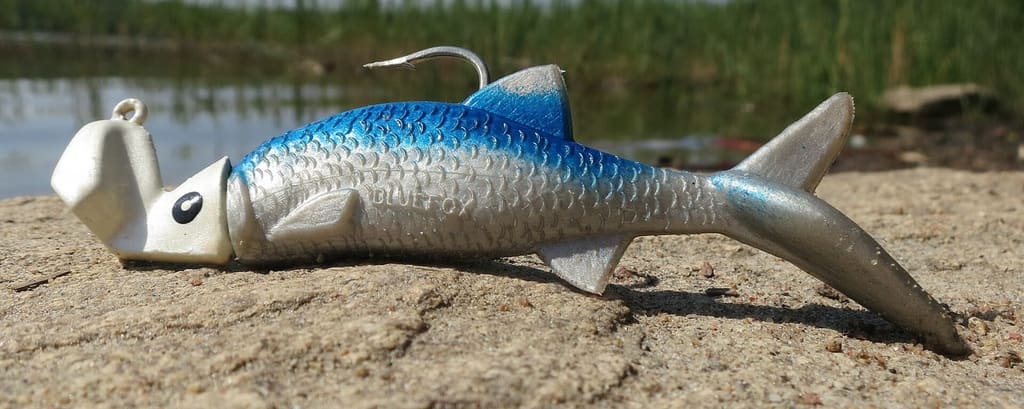
- Dark, solid-colored lures create the strongest silhouette against a faintly lit surface. Black, dark purple, and dark blue are reliable choices for topwater and soft plastics.
- Noise and vibration help fish locate your bait. Spinnerbaits with thumping blades, bladed jigs, and rattling crankbaits give off a signal fish can track without seeing it.
- Topwater shines at night for bass and stripers. A steady walking or popping retrieve over shallow cover draws explosive strikes. Resist the urge to set the hook on the sound alone; wait until you feel the weight of the fish.
- Live and cut bait excels for catfish and other scent feeders. Nightcrawlers, cut shad, and other natural baits let smell do the work.
- Slow down your retrieve. Fish have less time to track a fast-moving target, so a deliberate pace usually outproduces a quick one.
Casting and Presentation Tactics
Accuracy matters even more when you cannot see your target clearly.
- Cast to known landmarks. Line up your casts using a shoreline silhouette, a dock light, or a distant treeline you scouted earlier.
- Count your retrieve. Counting down a sinking lure or counting cranks helps you repeat a depth and cadence that produced a bite.
- Keep contact with your lure. Maintain a tight line so you feel subtle takes that you would normally see during the day.
- Fan-cast methodically. Work an area in a deliberate pattern rather than firing casts at random, so you cover water without tangling or losing track of where you have fished.
- Stay quiet. Sound carries in calm night conditions. Avoid banging the boat, slamming hatches, or stomping the bank.
Safety After Dark
Safety is where night fishing demands the most discipline. The same darkness that helps you catch fish also hides hazards.
- Tell someone your plan. Share your location and expected return time before you go.
- Wear a life jacket on or near the water. Falls and slips are far more likely in the dark, and cold water is unforgiving.
- Keep a charged phone in a waterproof case and a whistle for signaling.
- Watch your footing on banks, rocks, and docks. Move slowly and test your footing. Many night fishing injuries are simple falls.
- Mind the weather. Temperatures drop and fog can roll in. Layer up and have a plan to get off the water if conditions turn.
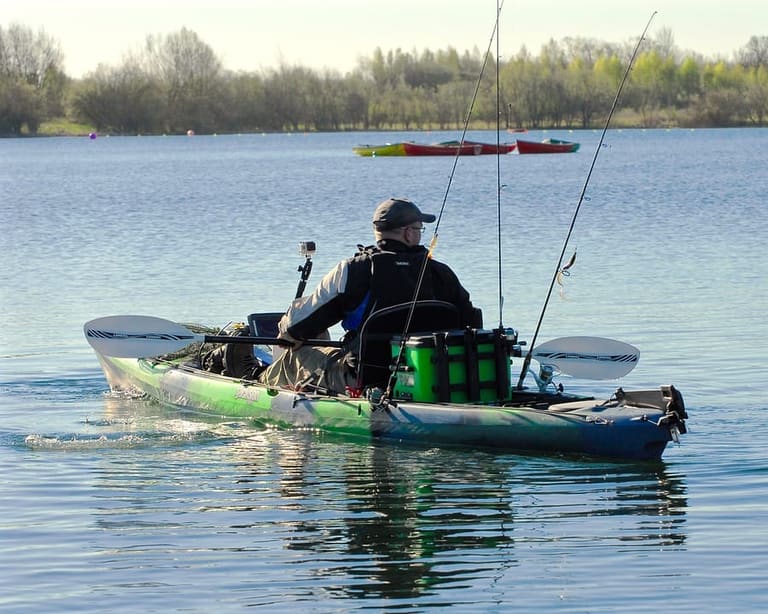
- If you are in a boat, run navigation lights, keep speeds low, and know your route. Restricted visibility makes collisions and groundings much more likely.
A Simple First-Trip Plan
If you have never fished at night, keep your first outing simple.
- Pick a familiar, easily accessible spot you have fished in daylight.
- Arrive before sunset and set up while you can see.
- Fish the shallows and edges as light fades, when the bite often turns on.
- Use one or two confident presentations rather than experimenting wildly.
- Set a firm time to pack up so fatigue does not erode your judgment.
Build from there. Once you are comfortable moving and rigging in the dark, you can explore new water and more demanding tactics.
Final Thoughts
Night fishing rewards preparation and patience. Scout in daylight, organize your gear so you barely need a light, lean on dark profiles and vibration, slow your retrieve, and treat safety as non-negotiable. Do those things consistently and the after-dark hours will give you quieter water, fewer crowds, and a real shot at the biggest fish of your season.