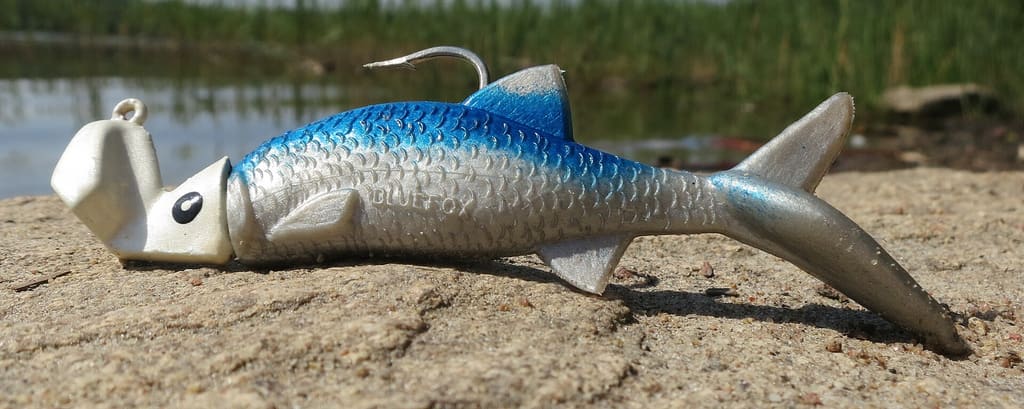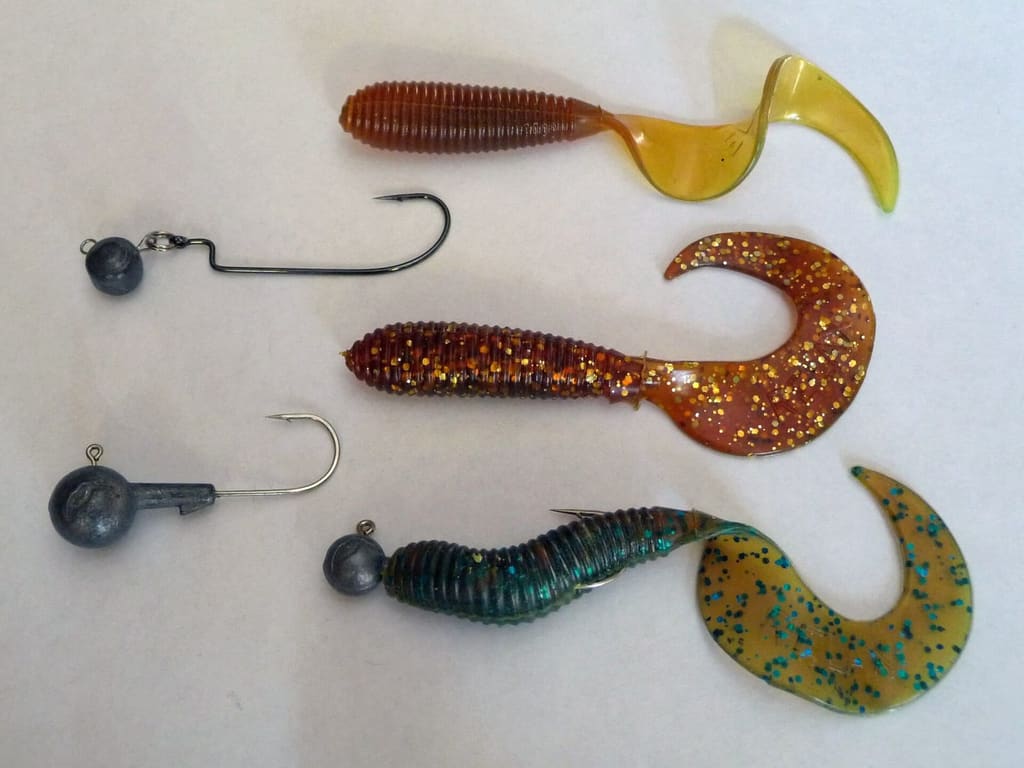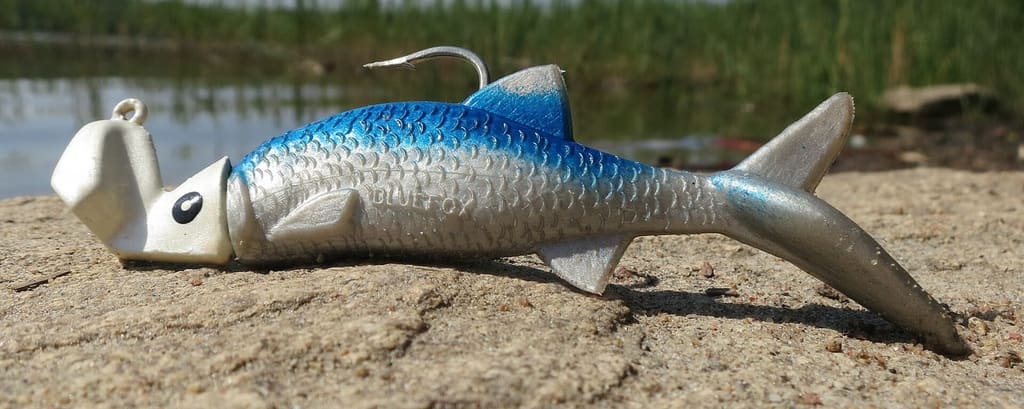
Jigging is the closest thing fishing has to a universal language. A jig is just a hook with a weighted head, but in skilled hands it becomes a feeding crawfish, a wounded baitfish, or a fleeing shad - whatever the fish in front of you wants to eat. The catch is that the lure does almost nothing on its own. The strike comes from what you do with the rod tip, and that is exactly the part most anglers rush.
If you have spent a season or two fishing jigs and still feel like you are guessing, this guide is for you. We will cover the core retrieves, how to read the fall, how to match your cadence to mood and conditions, and the small details that turn lookers into biters.
Why the Fall Matters More Than the Lift
Most jig strikes happen as the lure drops, not as you lift it. A jig falling on a slack or semi-slack line looks alive and vulnerable, and that is when a fish commits. The problem is that a slack line also hides the bite. You will feel a tick, a mushy weight, a line that suddenly swims sideways, or simply nothing where there should be tension.
Train yourself to watch your line where it enters the water. If it jumps, twitches, or stops sinking before it should, set the hook. Reeling down to feel the fish first usually costs you the bite.
Master the Core Retrieves First
You do not need a dozen techniques. You need three or four that you can execute cleanly and switch between on the water.
- Lift-drop (the classic): Lift the rod tip 1 to 2 feet, then lower it and let the jig fall back to the bottom on a controlled line. Repeat. Vary the height and speed until something answers.
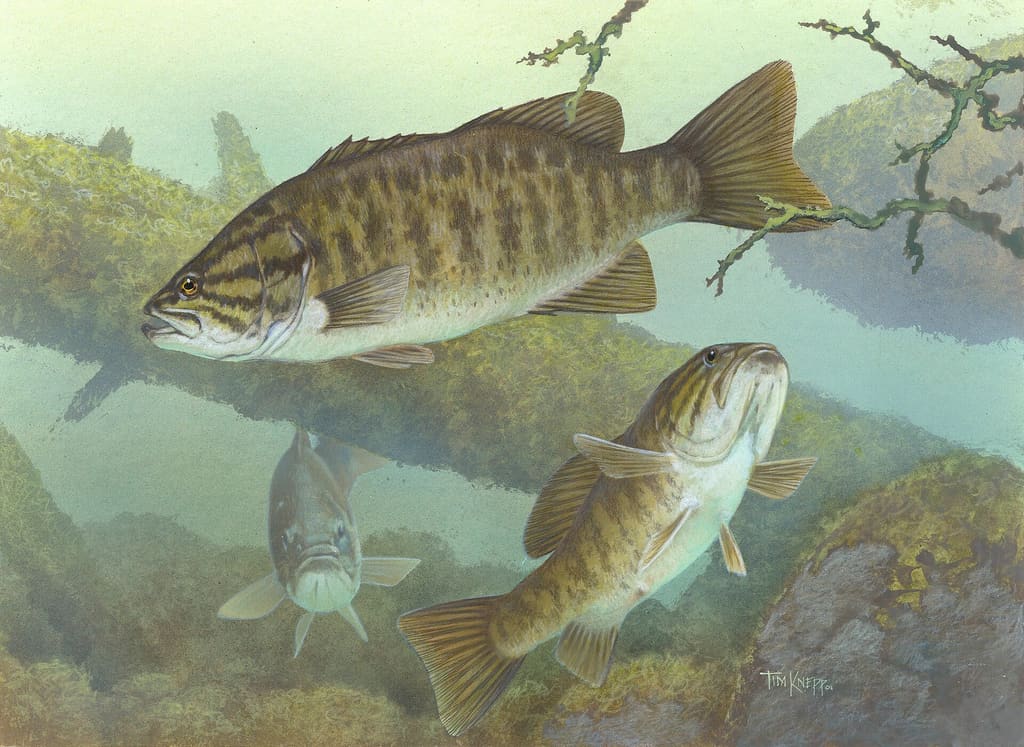
- Drag and pause: Keep the jig on or near the bottom and pull it slowly with the rod, then pause for several seconds. Deadly for bass on crawfish-imitating jigs and for fish in cold or pressured water.
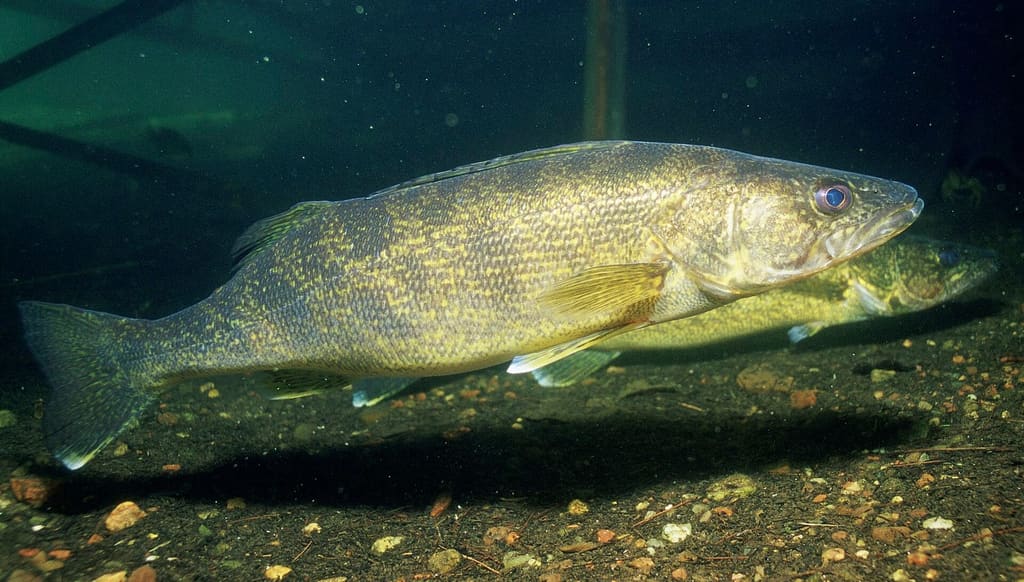
- Snap jigging: Sharp, aggressive upward rips of the rod followed by a free fall. This triggers reaction strikes from active, schooling fish like walleye, pike, and saltwater predators.
- Swimming the jig: A steady or gently pulsing retrieve that keeps the jig swimming above the bottom. Effective with paddletail and curly-tail plastics for suspended fish.
Practice each one until you can feel the bottom and the weight of the jig with your eyes closed. That sensitivity is the whole game.
Read the Mood, Then Set the Cadence
The single biggest mistake intermediate anglers make is fishing the same cadence all day. Fish respond to rhythm, and the right rhythm changes with their mood.
Cold or Inactive Fish
Slow everything down. Longer pauses, smaller hops, more time on the bottom. In cold water a jig that barely moves for several seconds often outproduces anything flashy. Let the fish make the decision; do not rush it.
Active or Feeding Fish
Speed up and add aggression. Snap jigging, higher lifts, and shorter pauses call fish from a distance and trigger competitive strikes. When you find an active school, a faster cadence keeps them committed.
Pressured Fish
Downsize and finesse. Lighter jig heads, smaller profiles, and a subtle, almost lazy presentation can coax bites that an aggressive approach spooks. Fluorocarbon leaders and natural colors help here too.
Match the Jig Head to the Job
The head shape and weight do real work, and choosing the wrong one undermines a good retrieve.
- Round head: The all-purpose choice for open water and the lift-drop. Falls fast and stays in contact with the bottom.
- Football head: Wide and stable, it stands up on rock and gravel and rarely tips over. Excellent for dragging across hard bottom.
- Darter or bullet head: Cuts through cover and current, ideal for swimming jigs and fishing around grass.
- Stand-up head: Keeps the hook and trailer angled upward at rest, perfect for the drag-and-pause around bottom-feeding fish.
For weight, use the lightest head that still lets you feel the bottom and maintain contact. Too heavy and the fall looks unnatural; too light and you lose touch in wind or current. As a rough starting point, step up roughly a quarter ounce for every additional 10 feet of depth, then adjust for current and wind.
Set the Hook the Right Way
How you set depends on what you are fishing. With a single stout hook and a slack-line bite, a firm, sweeping hookset drives the point home. Reel down until you feel weight, then sweep the rod up and to the side rather than snapping straight overhead. The sideways sweep keeps tension if you miss and lets the jig stay in the strike zone.
With light wire hooks, finesse heads, or treble-equipped jigging lures, a softer, steadier pull prevents tearing the hook free or straightening it. Let the rod load before you drive the hook.
Dial In Line, Rod, and Feel
Your equipment is the nerve that carries the bite to your hand. A few choices make an outsized difference.
- Line: Low-stretch braid maximizes sensitivity and hooksetting power, especially in deep water. Add a fluorocarbon leader for stealth in clear water. Straight fluorocarbon works well for shorter casts and bottom contact.
- Rod: A fast or extra-fast action rod transmits the bottom and the bite while giving you a crisp hookset. Match the power to your jig weight; an overgunned rod numbs your feel.
- Contact: Keep just enough tension to read the lure without deadening the fall. Most missed bites come from too much slack, not too little.
Pay attention to what the bottom tells you. A jig ticking gravel, sinking into mud, or hanging in grass each feels distinct, and learning those signatures tells you where fish are likely holding.
Putting It All Together on the Water
Start each session by establishing depth and bottom type with a slow lift-drop. Note where you get contact and where the jig hangs - that structure is your high-percentage water. Begin with a moderate cadence, then experiment: longer pauses if nothing bites, more aggression if you mark active fish. When a bite comes, lock in the exact sequence and milk that pattern until it dies.
Stay alert on every fall. The fish are telling you what they want through the line, and the anglers who catch the most are simply the ones paying closest attention to that quiet, falling moment.
Final Thoughts
Jigging rewards patience and feel more than gear or luck. Learn to read the fall, vary your cadence to the fish’s mood, match your head and tackle to the situation, and set the hook with intention. Master those fundamentals and you will trigger strikes on water where other anglers come up empty - and you will understand exactly why your jig got bit.