There is no strike in freshwater fishing quite like a topwater blowup. One second the surface is glass, the next a fish detonates on your lure in a spray of water and noise. That visual, heart-stopping moment is why so many anglers chase surface bites even when other techniques would catch more fish. The good news is that topwater fishing is not luck. It is a repeatable skill built on the right conditions, the right cadence, and the discipline to not jerk the lure away from a committed fish.
This guide walks you through the lure categories that matter, how to work each one, and the timing and gear that turn follows into hookups. It is aimed at the intermediate angler who can already cast accurately and wants to convert more of those surface explosions into fish in the net.
Why Topwater Works
Predator fish like bass, pike, and stripers feed by ambush. When baitfish, frogs, or insects move across the surface, they create a silhouette against the sky and a disturbance that broadcasts an easy meal. A topwater lure imitates that vulnerability. The fish does not see a clear picture of your bait. It sees motion, a shadow, and a sound signature, and it reacts on instinct.
That instinct is strongest when fish are positioned shallow and feeding actively. Topwater is most productive when water temperatures are comfortable for the species you target, when light is low, and when there is cover or structure nearby that holds fish close to the surface. Cold, clear, bright midday conditions are the toughest, though they are never hopeless.
The Main Topwater Lure Categories
Each topwater style produces a different action and sound. Knowing what each one does lets you match the mood of the fish.
- Walking baits (spooks): Cigar-shaped lures with no lip. Worked correctly they zigzag side to side in a rhythm called “walking the dog.” Great for covering open water and calling fish from a distance.
- Poppers: A cupped or concave mouth that spits water and makes a loud chug or pop. Effective around isolated cover and when fish want a noisy, stationary target.
- Prop baits and buzzbaits: Lures with spinning blades that churn the surface and throw a steady commotion. Buzzbaits excel for covering water fast and triggering reaction strikes.
- Hollow-body frogs: Soft, weedless lures you can drag over thick vegetation, lily pads, and matted grass where nothing else will go.
- Wake baits and crawlers: Lures that plow a steady V-wake or wobble across the top, ideal for a slow, methodical presentation in low light.
Reading Conditions and Timing
Timing separates anglers who occasionally get a surface bite from those who plan around it.
Light and Time of Day
The first and last hour of daylight are prime. Low light reduces the fish’s ability to inspect your lure closely, so they commit faster. Overcast days can extend the topwater window well into midday. Bright, calm, high-sun conditions usually push fish deeper and slow the surface bite.
Water Temperature
Surface activity climbs as water warms into the comfortable range for your target species. For largemouth bass, late spring through early fall typically delivers the most consistent topwater action. Very cold water generally shuts the surface bite down.
Wind and Surface Chop
A light ripple is your friend. It breaks up the fish’s view of the lure and hides the line, often making fish less cautious. A flat, mirror-calm surface can call for finesse and longer pauses. Heavy whitecaps make most topwater presentations hard to control.
Mastering the Retrieve
The retrieve is where most topwater fish are won or lost. Each lure has its own rhythm.
Walking the Dog
This is the essential skill for spook-style baits.
- Cast and let the lure settle.
- Point your rod tip down and slightly to the side.
- Use short, slack-line twitches of the wrist, not big sweeps of the arm.
- Reel in the slack between twitches to keep cadence.
- Let the lure glide left, then right, in a steady zigzag.
The trick is feeding a touch of slack on each twitch so the lure can pivot. A tight line makes the bait dart straight instead of walking.
Working a Popper
Cast to a target, let the rings settle, then give a sharp downward twitch to make it pop. The most common mistake is working it too fast. Pop it once or twice, then pause. Many strikes come on a dead-still lure after the pop, when a watching fish finally commits.
Buzzbaits and Frogs
Buzzbaits need a steady retrieve fast enough to keep the blade churning on the surface from the moment they land. Slow the retrieve as the lure nears boat or shore. For hollow-body frogs, hop and pause across pads and mats, and let the frog sit in open pockets where bass can find a clear shot at it.
Setting the Hook Without Blowing It
This is the hardest discipline in topwater fishing, and it costs anglers more fish than anything else. When a fish blows up, every instinct screams to set the hook on the splash. Do not.
- Wait until you feel the weight of the fish on the line. The strike you see is the fish hitting the lure. Setting too early pulls the bait out of its mouth.
- For treble-hook baits, a firm sweep set to the side once you feel pressure is enough. There is no need to cross its eyes.
- For hollow-body frogs, the fish often needs to fully engulf the bait. Drop the rod tip, reel down to come tight, then drive a hard hook set to bury the hooks through the soft body.
Gear That Helps You Convert Strikes
You can fish topwater on a lot of setups, but a few choices stack the odds in your favor.
- Rod: A medium to medium-heavy rod with a moderate or fast action. A little tip flex keeps you from pulling the bait away on the strike and helps with the walking cadence.
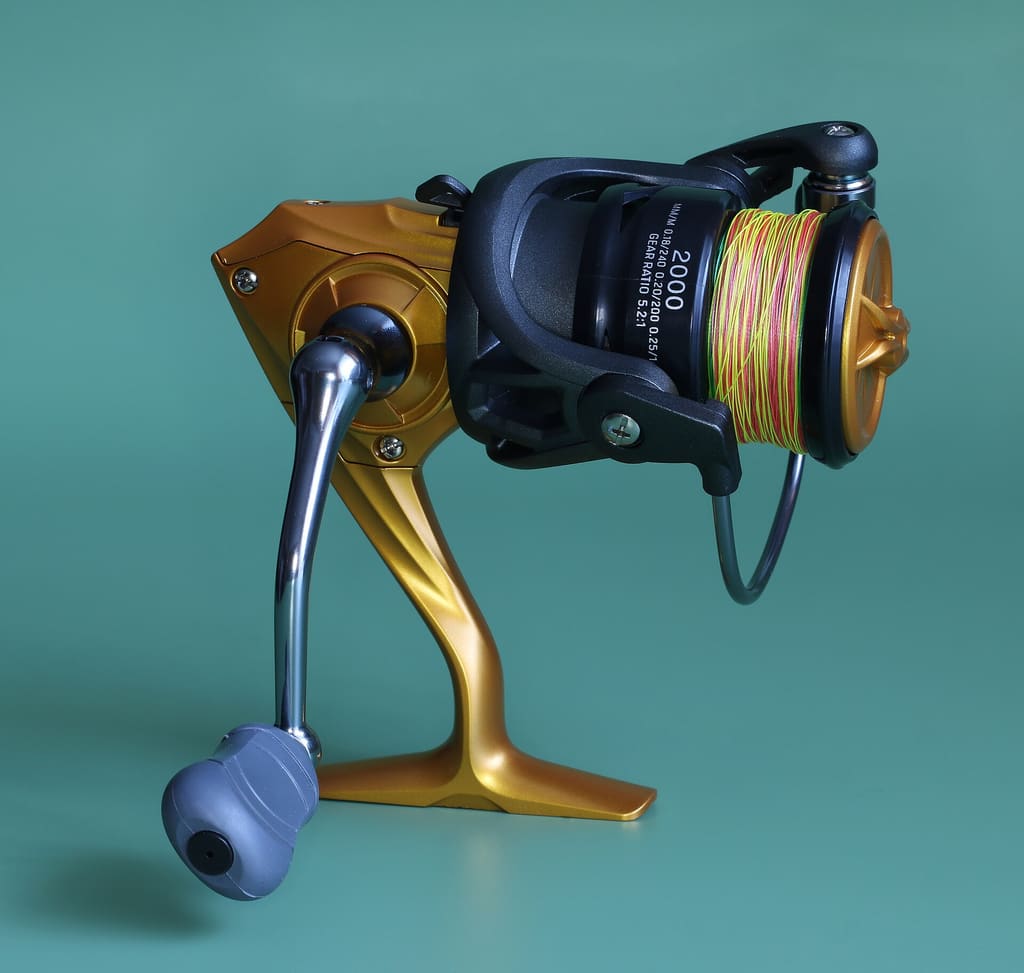
- Line: Monofilament or braid both work well. Mono floats and has stretch that forgives early hook sets, making it forgiving for treble baits. Braid has no stretch and excels for frogs in heavy cover where you need power to pull fish out.
- Leader: If you fish braid in clearer water, a fluorocarbon or mono leader can reduce visibility.
- Hooks: Keep treble hooks sharp and consider swapping factory trebles for premium replacements. Sharp hooks turn glancing strikes into solid hookups.
Common Mistakes to Avoid
- Setting the hook on the splash instead of waiting to feel the fish. This is the number one topwater error.
- Retrieving too fast. Pauses draw strikes. Slow down, especially with poppers and walking baits.
- Fishing topwater at the wrong time. Bright, calm, cold midday water is the hardest scenario. Save your best confidence for low light.
- Dull hooks. Surface strikes are often glancing and violent. A sharp hook is the difference between a hookup and a story.
- Ignoring the second chance. Keep the lure in the strike zone after a miss.
Final Thoughts
Topwater fishing rewards patience and observation more than raw power. Pick the right window of low light and warm, slightly rippled water, choose a lure that matches the mood of the fish, and dial in a retrieve with deliberate pauses. Then, when the surface erupts, do the hardest thing of all and wait that split second to feel the fish before you set. Get those pieces working together and the explosive strike stops being a lucky accident and becomes something you can make happen on purpose.