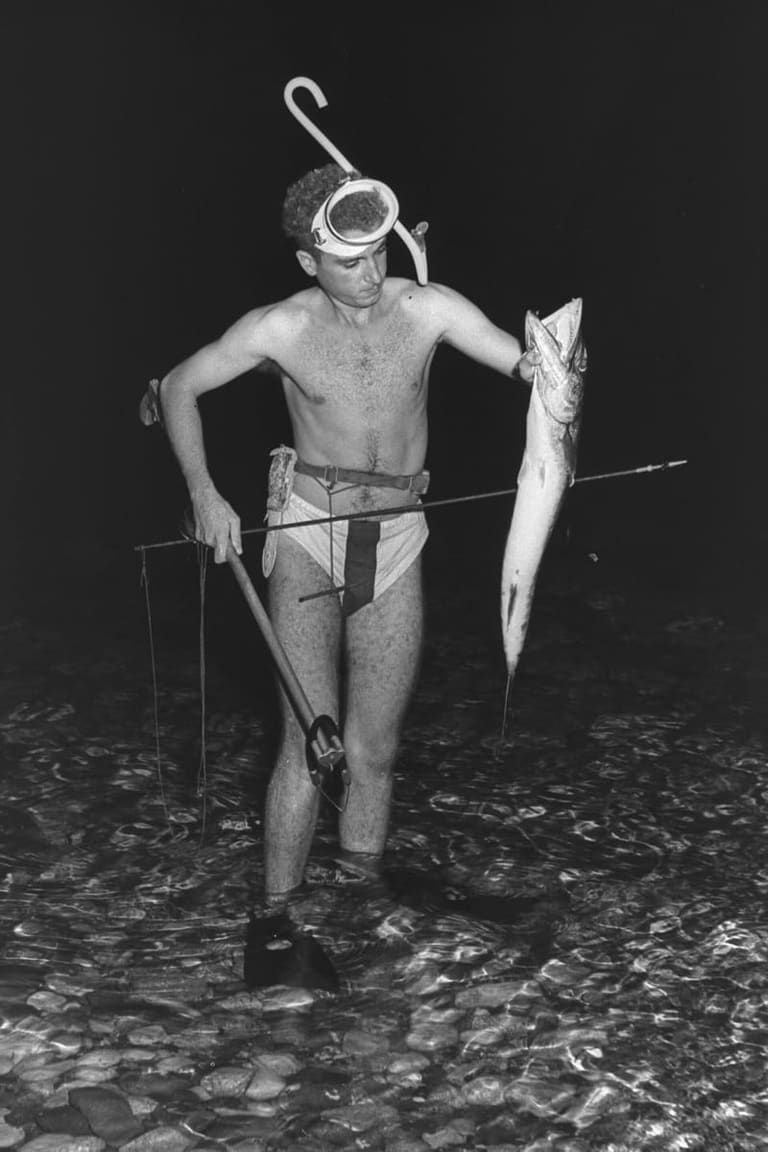
Spearfishing strips angling down to its oldest form: you, a breath of air, and a fish you have to find, stalk, and take by hand. There is no rod bending for you, no drag screaming, no boat doing the work. You become a predator in the water column, and the gap between watching a fish and actually landing one humbles even experienced surface anglers. If you already know how fish hold structure, read current, and react to pressure, you have a head start. The rest is breath, calm, and a long apprenticeship.
This guide assumes you are already comfortable around the water and ready to dive seriously. It is not a substitute for a freediving course or in-person training. Spearfishing is unforgiving of mistakes, and the most important skill you will learn is not how to shoot, but how to stay alive while doing it.
Why Spearfishing Is Different
Conventional fishing brings the fish to you. Spearfishing sends you to the fish. That single difference changes everything about how you read water and plan a dive.
You select your target. There is no bycatch problem the way there is with nets or even bait, because you choose the exact fish, see its size, and decide whether to take it. That selectivity is one of the most ethical arguments for the sport, and a real responsibility. You also have to get genuinely close, often within a few feet, which means understanding fish behavior at a level most rod anglers never reach.
The trade-off is depth and time. You are limited by a single breath. Everything you do underwater is borrowed against the air in your lungs, and the discipline of that budget shapes the entire craft.
The Non-Negotiable: Never Dive Alone
Before any gear talk, understand the one rule that has no exceptions: always dive with a buddy using the one-up, one-down system. One diver is in the water, the other is on the surface watching, and you alternate.
The reason is shallow water blackout, the leading cause of death in freediving and spearfishing. It happens silently, often in the last few feet of the ascent, when falling oxygen and a drop in pressure cause a diver to lose consciousness without warning or struggle. A conscious buddy watching your ascent is the only reliable safeguard.
Train your breath-hold on dry land, never in the water by yourself. The urge to extend bottom time is the urge that drowns people. A modest, safe dive that you walk away from beats a deep one every time.
Core Gear, and What Actually Matters
You do not need an expensive kit to start, but a few items must fit correctly. Borrowed or poorly fitted gear is the fastest way to a miserable, cold, and dangerous day.
- Mask and snorkel: A low-volume mask is easier to clear and equalize. It should seal on your face with gentle suction and no hand pressure. Pair it with a simple, comfortable snorkel.
- Fins: Long freediving fins move you efficiently on little effort, which conserves oxygen. They feel awkward at first and are worth the adjustment.
- Wetsuit: An open-cell freediving suit traps warmth and lets you stay relaxed. Cold burns oxygen fast and ends dives early. Size it to your body.
- Weight belt: A rubber belt with quick-release. You weight yourself to be slightly positive at the surface so an unconscious diver floats. Get this dialed in with help before you ever go deep.
- Speargun or pole spear: Beginners are often best served by a pole spear or a short band-powered gun. They are simple, reliable, and force you to get close, which builds the skills that matter.
- Float and dive flag: A surface float with a legally required dive flag marks your position for boats and gives you something to rest on and clip your catch to.
Breath, Relaxation, and the Dive Cycle
Bottom time comes from relaxation, not from cramming in air. A tense diver burns oxygen far faster than a calm one. Most of your underwater time should feel almost lazy.
A simple dive cycle looks like this:
- Breathe up at the surface for one to two minutes with slow, relaxed breaths. Do not hyperventilate, which is forcing fast deep breaths to feel like you can hold longer. It strips carbon dioxide, removes your urge to breathe, and sets up blackout.
- Take one final relaxed breath, not a maximum gulp that tenses your whole chest.
- Duck dive smoothly, fold at the waist, throw your legs up, and let their weight drive you down before you start finning.
- Equalize early and often as you descend, gently and before you feel pressure. Never force it.
- Hold your position on the bottom calmly, watch, and wait for fish to come to you.
- Ascend with margin to spare. Leave the bottom while you still feel comfortable, never when you are already straining.
Your safety buddy watches the entire ascent and the thirty seconds after you surface, since blackout often strikes right at the top or just after.
Finding and Approaching Fish
Here is where your angling instincts pay off. Fish relate to structure, current, and ambush points underwater the same way they do when you fish from above. Reefs, ledges, drop-offs, kelp lines, and wrecks all concentrate fish.
Approach matters more than marksmanship. A few principles that separate divers who eat from divers who swim:
- Move slowly and quietly. Fish feel pressure waves and panic at erratic motion. Glide, do not thrash.
- Avoid eye contact and direct approaches. Angle past fish rather than charging straight at them, the way a casual predator drifts by.
- Use the bottom. Settle behind structure and let curious fish circle back. Many species investigate a still diver.
- Aspetto and stalking are your two modes. Aspetto means lying in wait on the bottom for fish to approach. Stalking means slow, deliberate hunting along structure. Learn both.
- Take ethical, killing shots. Aim for the area just behind the gill plate or the spine for a clean stone shot. A poorly placed shot wastes the fish and risks losing a wounded animal.
Once you spear a fish, secure it quickly and get it onto your float stringer. Blood and struggle attract larger predators in many waters, so be deliberate and aware of your surroundings.
Building Skill the Right Way
Progress in spearfishing is slow and that is the point. Resist the urge to chase depth. A diver who is calm and effective at twenty feet will outfish and outlast a reckless one pushing forty.
Spend your first season in shallow, familiar water. Practice the dive cycle, your duck dive, and equalization until they are automatic. Learn to identify local fish by sight and to gauge size accurately, which is harder than it sounds because water magnifies. Take a recognized freediving and spearfishing course. The formal training in safety, rescue, and breath-hold physiology is worth far more than any piece of gear.
Final Thoughts
Spearfishing rewards patience, fitness, and respect, for the water, for the fish, and for your own limits. The skills that make you good are the same ones that keep you safe: stay relaxed, dive within your margins, and never go alone. Start shallow, hunt with restraint, and let the depth come over years rather than weekends. Done well, it is the most intimate and selective form of fishing there is, and the fish you bring home are earned in the truest sense.
_-_Eilat_Diver_with_a_Barracuda.jpg)