There is a moment, miles past the last sight of land, when the water turns from green to a hard cobalt blue and the depth sounder loses the bottom entirely. That color change is the whole game. Bluewater trolling is the art of dragging baits and lures across open ocean until something big and fast eats them. It rewards patience, preparation, and an obsessive attention to detail, and it punishes sloppiness without mercy.
This guide assumes you already know your way around a boat and a reel. We are going to focus on the decisions that separate a slow day from a cooler full of pelagics: where to find fish in featureless water, how to rig a spread that swims right, and how to handle the chaos when the riggers start popping.
Reading Bluewater Structure
Open ocean looks empty, but it is full of edges if you know how to find them. Pelagic predators like marlin, tuna, mahi, and wahoo orient to changes, not to open desert. Your job before the lines go in is to stack as many of those changes on top of each other as you can.
- Temperature breaks. A one or two degree change over a short distance concentrates bait. Pull sea surface temperature charts the night before and mark the sharpest gradients.
- Color and clarity changes. The visible seam where blue water meets greener water is a highway. Troll along it, not across it.
- Structure under the surface. Seamounts, ledges, canyons, and the edge of the continental shelf force upwelling that feeds the food chain. The numbers for these never change, so build a milk run of waypoints.
- Floating cover. Weed lines, current rips, and any flotsam hold mahi and tripletail. A single floating pallet can be worth a dozen blind miles.
- Bird activity. Frigatebirds working high often mark marlin pushing bait up. Terns and shearwaters diving usually mean tuna. Learn to read the height and behavior, not just the presence.
Building the Spread
A trolling spread is a staged illusion. You are imitating a panicked school of bait being chased, with each line set at a distance and position that mimics natural prey. A standard six-rod spread on a center console gives you a balanced starting point.
Positioning by the Wake
Think of your wake as a series of waves, counted back from the transom. The standard layout:
- Short corners (flat lines): Set just behind the prop wash, around the second wave. These often draw the most aggressive strikes.
- Long corners: Run from the outrigger clips at the third or fourth wave back.
- Long riggers: The longest lines in the spread, well back where the water has flattened.
- Shotgun or way-back: A single line straight down the center, the farthest bait out, often the one a wary fish commits to.
Stagger every line so nothing tangles on a turn. The classic mistake is setting all lines at identical distances, which collapses into a knot the first time you swing the wheel.
Lures and Baits
Match your offering to the target and the conditions:
- Skirted trolling lures in chuggers, jets, and slant heads cover water fast and call fish from a distance. Run them at 7 to 9 knots.
- Ballyhoo rigged behind a sea witch or naked is the bread and butter for sailfish, mahi, and smaller marlin. Pull these slower, around 5 to 7 knots.
- Cedar plugs and feathers are deadly on tuna and can be run in the prop wash where the turbulence helps.
- High-speed wahoo lures with heavy trolling weights get pulled at 12 to 16 knots when wahoo are the goal.
Teasers and Dredges
Teasers have no hooks. Their entire purpose is to raise fish and bring them into your spread, where they can find a real bait. A hoo kless daisy chain of squids or a splash bar run off a flat line creates commotion that pulls billfish up from depth.
Dredges take this further, presenting a school of mullet or mudflap teasers underwater on a multi-arm frame. A well-pulled dredge looks like a tight ball of bait and is one of the most effective billfish raising tools in existence. When a fish lights up behind the dredge, the mate teases it back toward a pitch bait. This is advanced choreography, but on a slow day it is the difference between a flat line and a hot bite.
Tackle, Drag, and Terminal Rigging
Bluewater fish test every link in your system, so build it to a known breaking point and check it constantly.
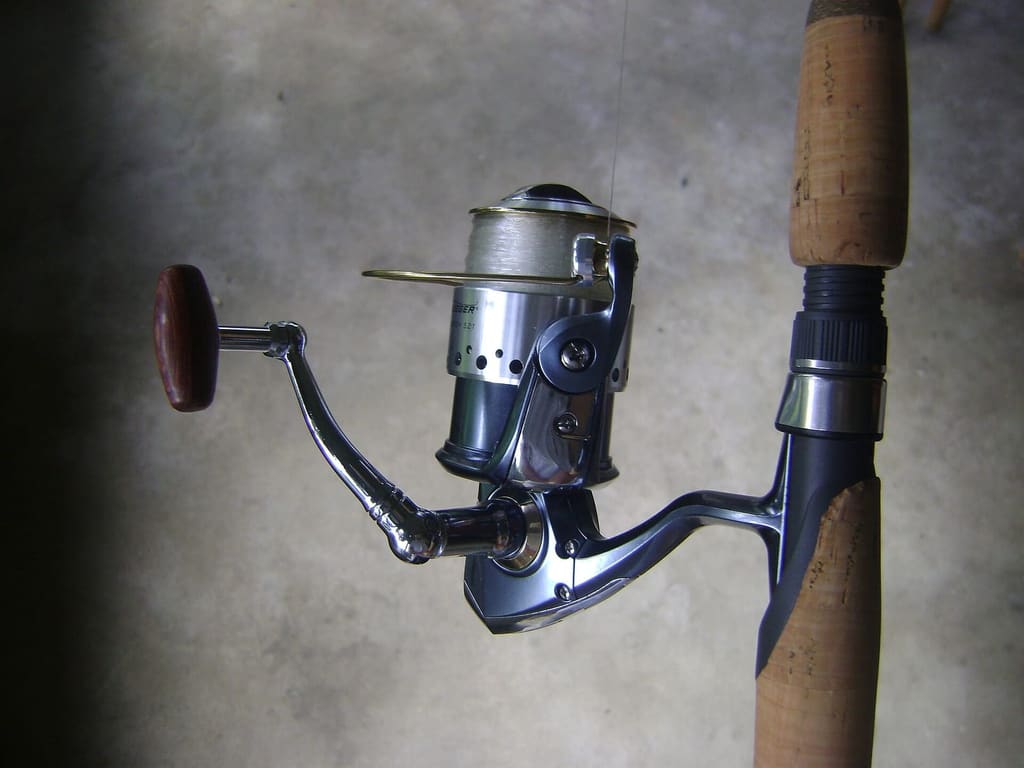
- Reels and line. Match conventional reels to your quarry: 30-wide class for general trolling, 50-wide or larger for big marlin and tuna. Mono main line in 50 to 80 pound test forgives sudden surges; many anglers top a braid backing with a mono or fluorocarbon top shot.
- Leaders. Use fluorocarbon for leader-shy fish like tuna and wahoo, with wire only when wahoo and kingfish are biting off softer leaders. Heavy mono wind-on leaders make handling a green fish at the transom far safer.
- Drag settings. Set strike drag to roughly 25 to 30 percent of line breaking strength using a scale, not a guess. Mark the lever position so you can return to it instantly after a fight.
- Hooks. Keep them surgically sharp. Circle hooks dramatically improve survival on released billfish and have become standard, and in many fisheries they are legally required with natural bait.
Working the Strike
When a rigger clip pops, everything happens fast. Have a plan before it does.
- Identify the rod. Watch which line went off and which way the fish is running.
- Clear the spread. The rest of the crew reels in the other lines fast to prevent tangles and to set up for a possible multiple hookup.
- Manage boat speed. On a billfish bite with circle hooks, do not swing to set. Keep the boat in gear and let the steady pull turn the hook into the corner of the jaw.
- Fight from the reel. Pump and wind smoothly. Let the drag do its job and avoid high-sticking the rod, which puts the load on the tip instead of the blank.
- Plan the finish. Decide before the fish is boatside whether it is going in the box or back in the water, and have the gaff or release tools staged.
Final Thoughts
Bluewater trolling is a numbers game played with discipline. You stack the odds by finding the edges, by pulling a spread that swims honestly, and by being ready before the reel screams. Most days offshore are long stretches of attention punctuated by a few violent seconds, and the anglers who win those seconds are the ones who rigged carefully, watched the water, and never let a dull lure stay in the spread. Run smart, keep your hooks sharp, and respect the ocean that gives up these fish.