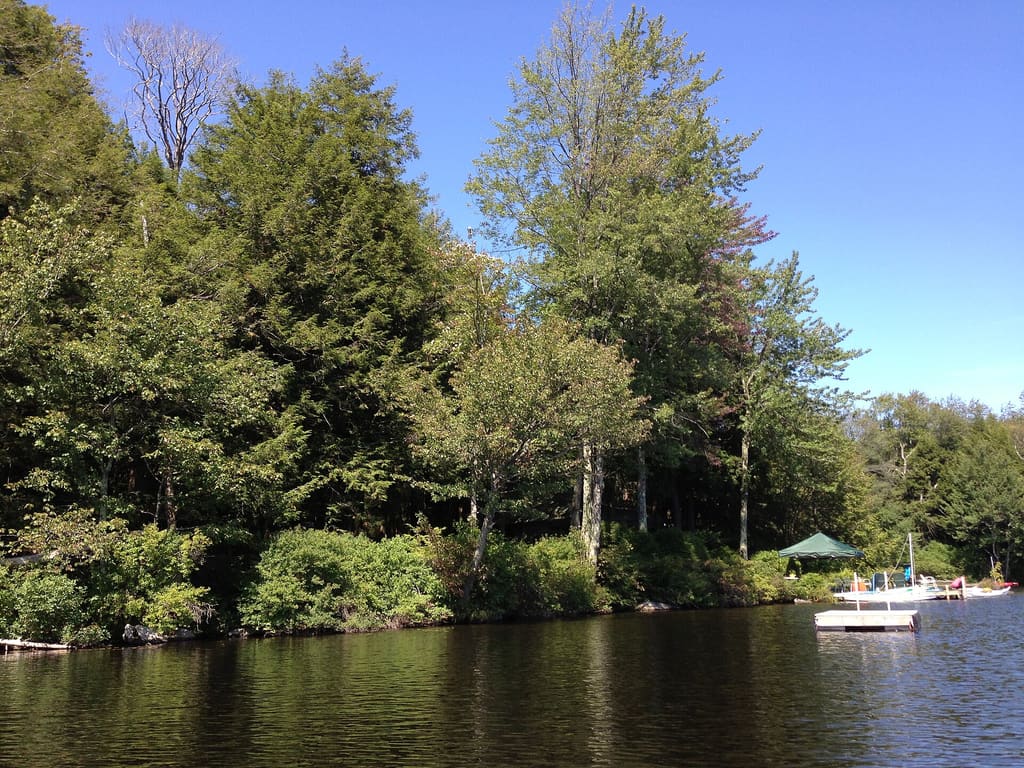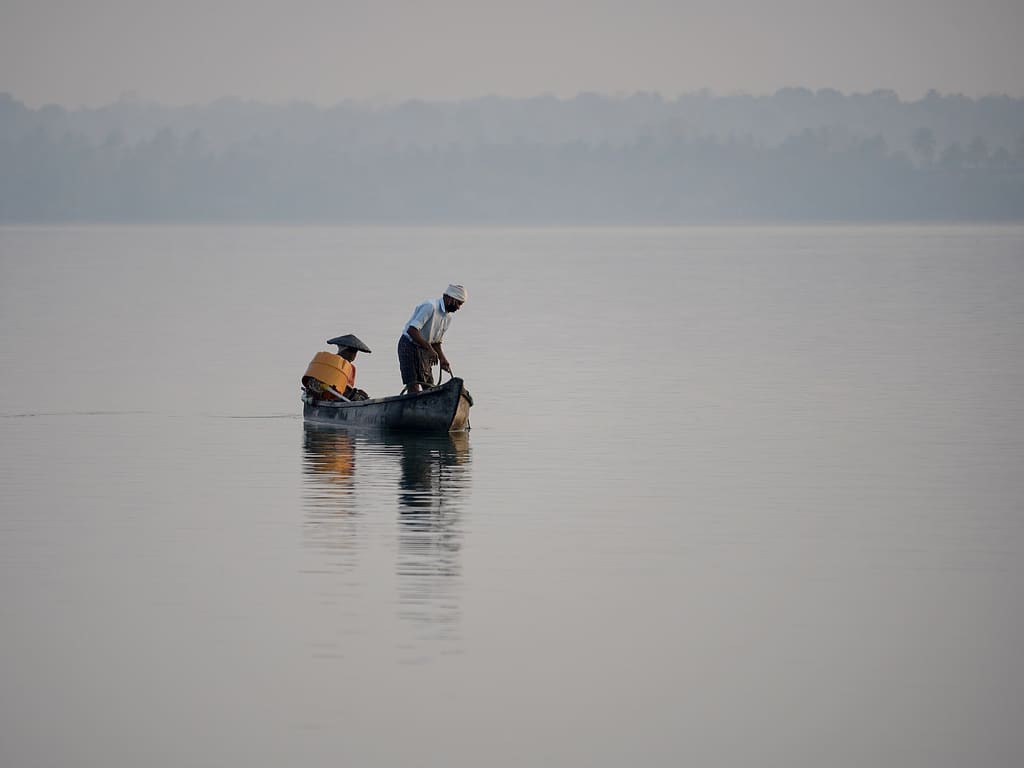
A lake can look like one big, featureless sheet of water, but fish never spread out evenly across it. They concentrate in a small fraction of the available space, usually tied to a feature you can learn to read. The difference between a slow day and a great one is almost never the lure. It is whether you put that lure where fish are actually holding.
This guide walks through the way experienced anglers shrink a big lake down to a few high-percentage spots. You do not need a high-end boat or expensive sonar to do it well. You need a mental checklist, a willingness to keep moving until you find activity, and the patience to read the clues the water is already giving you.
Start With Structure, Not Open Water
Structure is the single most reliable place to begin. In fishing terms, structure means changes in the bottom and the shoreline that give fish a reason to be there: cover to ambush prey from, edges to travel along, and depth changes that concentrate food.
Focus on these high-value features first:
- Points. Underwater fingers of land that extend into the lake. They funnel baitfish and give predators an ambush edge. Fish the tip and both sides.
- Drop-offs and breaklines. Any place the bottom falls from shallow to deep. Fish use these as highways and stage along the edge.
- Weed lines. The outer edge of a weed bed holds oxygen, cover, and bait. Work parallel to the edge, not straight into it.
- Submerged timber, brush, and rock piles. Hard cover holds fish through most seasons.
- Inlets and outlets. Moving water brings food and oxygen, especially in summer.
- Docks and bridges. Manmade cover provides shade and structure, particularly in developed lakes.
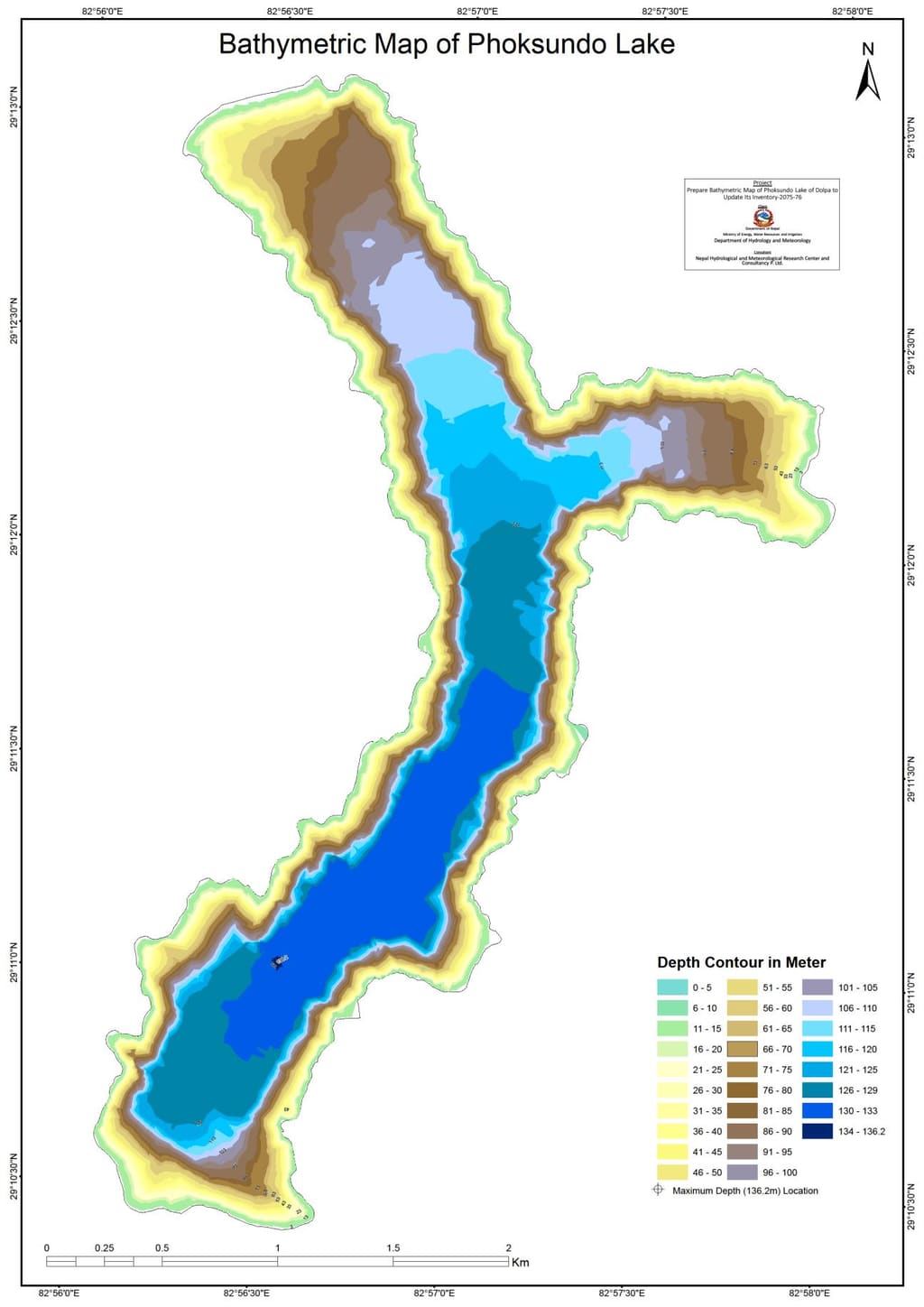
A lake map or a phone app with depth contours saves enormous time. Mark every point, hump, and sharp contour change before you even launch.
Use Temperature to Find the Right Depth
Fish are cold-blooded, so water temperature dictates where they are comfortable and active. Knowing the season tells you roughly how deep to look.
- Cold water (below 50 F). Metabolism slows. Fish hold deeper and tighter to bottom structure and feed less often. Slow your presentation way down.
- Warming water (spring). Fish move shallow to feed and, for many species, to spawn. The first warm, stable stretch of shallow water is a magnet.
- Warm water (summer). Many lakes stratify into layers. A surface layer sits over a cooler deep layer, with a transition zone called the thermocline in between. Fish often stack right at or just above the thermocline because deeper water can hold too little oxygen.
- Cooling water (fall). Baitfish migrate toward shallows and creek arms, and predators follow. This is often the best feeding of the year.
A cheap surface thermometer or your sonar temperature reading is enough to start. If you mark fish suspending at a consistent depth across several spots, that depth is likely the comfort zone for the day.
Follow the Baitfish
Predators go where the food is. Find the bait and you have found the most important clue on the lake. Watch for:
- Surface activity. Nervous water, flickering minnows, or fish breaking the surface.
- Diving and wheeling birds. Gulls, terns, and herons working an area are pointing straight at baitfish, and gamefish are usually underneath.
- Bait clouds on sonar. Tight balls or scattered marks of small fish, often with larger arcs nearby.
- Jumping baitfish or fleeing schools. A clear sign something is pushing them.
If the water looks lifeless, keep moving. Spending an hour casting over empty water rarely turns productive. Spending that hour searching for signs of life almost always does.
Read the Wind, Light, and Weather
Conditions push fish around predictably once you know what to watch for.
- Wind. A steady breeze blowing into a bank pushes plankton, then baitfish, then predators toward that windward shore. The fishing is often best where you least want to cast, into the chop.
- Light. Low light at dawn and dusk pulls fish shallow and makes them aggressive. Bright midday sun pushes them deeper or tighter to shade under docks, overhangs, and weed mats.
- Pressure trends. Fish frequently feed hard just before a front arrives and turn sluggish for a day or two after a strong cold front passes. A stable, overcast stretch is often excellent.
- Water clarity. Clear water means fish rely on sight and spook easily, so make longer casts and use natural colors. Stained water lets you fish closer and favors louder, higher-contrast lures.
Make Electronics Work for You
You do not need top-tier sonar, but even a basic fishfinder turns guesswork into information. Learn to interpret what it shows:
- Bottom hardness and shape. A thick, defined bottom line usually means hard bottom such as rock or gravel, which fish prefer over soft muck.
- Suspended marks. Arcs or lines away from the bottom are fish holding at a depth. Note that depth and target it.
- Bait versus gamefish. Small, clustered returns are bait. Larger individual arcs nearby are likely predators.
- The thermocline. In summer it can show as a faint horizontal band of clutter at a consistent depth.
If you fish without electronics, let your lure read the bottom. A bait that ticks rock, then drags through mud, then hits a hard edge is telling you exactly where the structure changes. Count it down to learn depth, and pay attention to where bites come.
Cover Water Until You Find a Pattern
Finding fish is an active process. The most common mistake is committing to one spot out of hope rather than evidence. Instead, treat the first hour as a search.
- Pick three or four likely spots from your map before you start.
- Fish each one efficiently with a lure that lets you cover water, such as a moving bait.
- When you get a bite or mark fish, slow down and work that area thoroughly.
- Identify the common thread: depth, structure type, bait presence, and wind exposure.
- Run that same pattern to similar spots across the lake.
Once you crack the pattern for the day, the lake gets small fast. Five points that all share the same depth and bait become five reliable stops instead of one lucky cast.
Final Thoughts
Finding fish on a lake comes down to layering clues until a clear picture emerges. Start with structure, use temperature and season to choose your depth, follow the baitfish, and let wind and light tell you where active fish will be. Lean on your electronics or your lure to confirm what is below, then keep moving until you find a repeatable pattern.
The anglers who consistently catch fish are not luckier. They simply spend their time eliminating dead water and stacking up reasons a spot should hold fish. Build that habit, keep notes on what works, and every trip will teach you something that makes the next one better.