There are days when fish just will not commit. The water is clear, the pressure is high, and your usual lures get followed but never eaten. This is exactly when the drop-shot rig earns its reputation. By suspending a small bait above the bottom and letting it quiver in place, the drop-shot shows fish a natural, defenseless meal they have a hard time refusing.
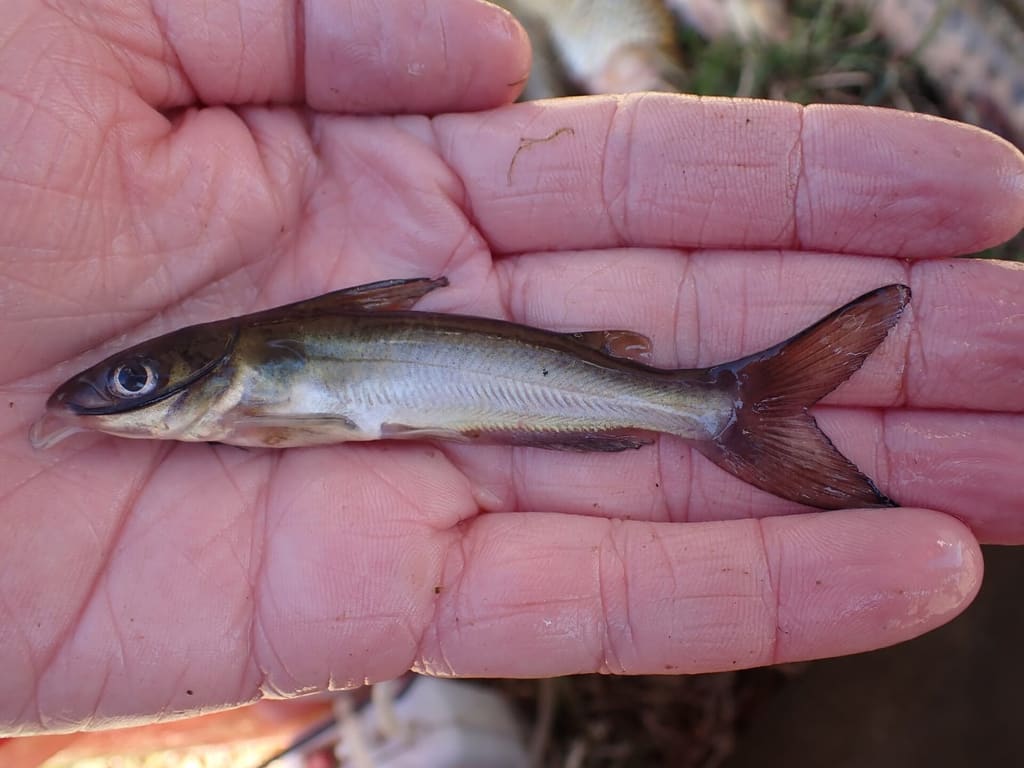
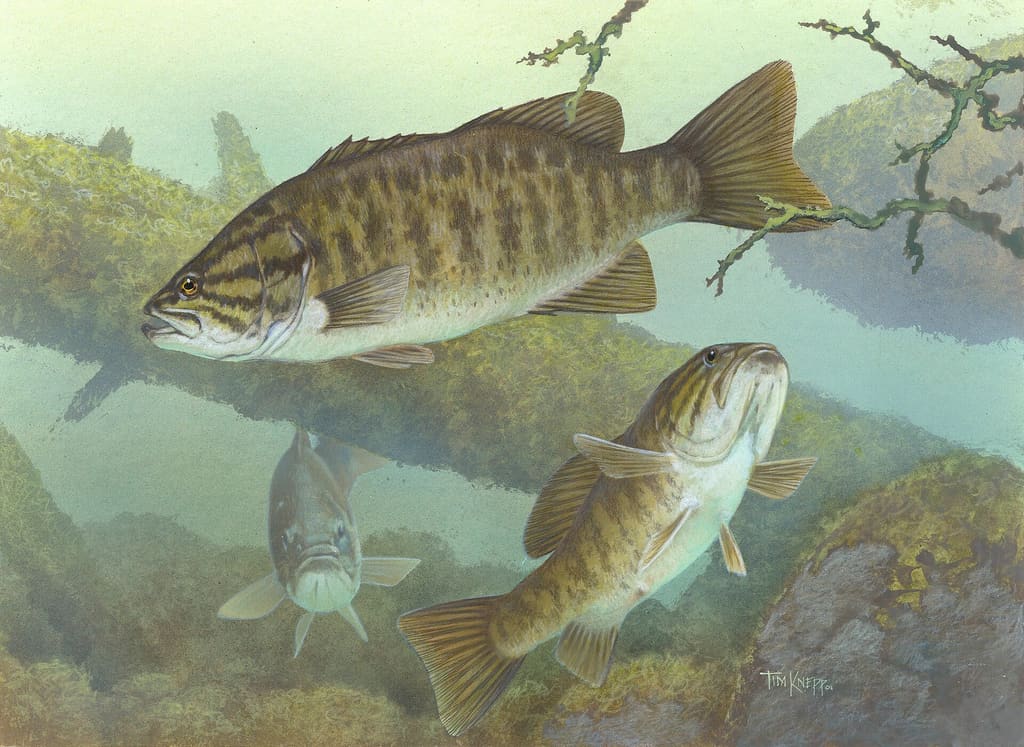
It started as a deep-water tactic for pressured bass, but anglers quickly learned it catches almost anything that swims. Smallmouth, largemouth, walleye, crappie, perch, even trout in lakes will eat a drop-shot. If you fish freshwater and you only learn one finesse rig this season, make it this one.
What a Drop-Shot Rig Actually Is
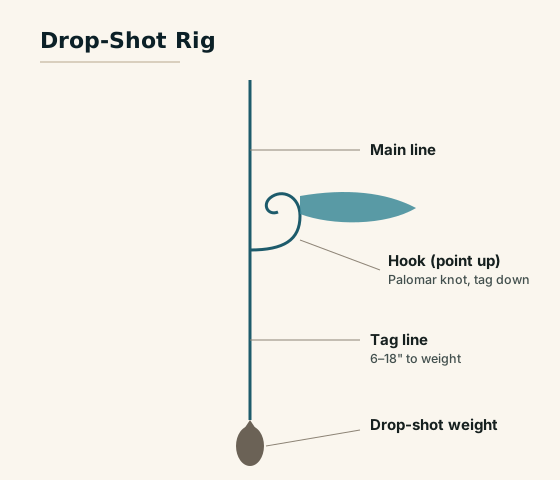
The drop-shot flips the normal worm rig upside down. Instead of the weight at the bottom and the hook trailing behind, the hook sits on the line with the weight below it. This keeps your bait off the bottom and at a fixed height, right in a fish’s face.
The core idea is separation. The weight anchors on the bottom while the bait hovers above it, free to move with the current and your subtle rod work. Because the bait is not dragging through silt or weeds, it stays visible and clean, and it can dance in place without going anywhere.
Tackle You Need
You do not need specialized gear, but the right setup makes a big difference. Drop-shotting rewards light, sensitive tackle.
- Rod: A 6 foot 10 inch to 7 foot 2 inch spinning rod with a medium-light to medium power and a fast tip. You want enough sensitivity to feel a light bite and enough backbone to set the hook.
- Reel: A 2500 or 3000 size spinning reel with a smooth drag.
- Main line: 10 to 15 pound braid for sensitivity and zero stretch.
- Leader: 6 to 10 pound fluorocarbon, 6 to 10 feet long, tied to the braid with a line-to-line knot. Fluorocarbon is nearly invisible underwater and resists abrasion.
- Hooks: Size 1 to 2/0, depending on bait size. Use a dedicated drop-shot hook or a light wire octopus hook.
- Weights: Cylinder or teardrop drop-shot weights from 1/8 to 1/2 ounce. Cylinder weights slip through rock and cover better.
Tying the Rig
The knot is the part that trips up beginners, but it is simpler than it looks. The key is the Palomar knot tied with a long tag end.
- Pass about 12 to 18 inches of line through the hook eye, then back through it again to form a loop.
- Tie a standard Palomar knot, but do not trim the tag end. Pass the loop over the hook.
- Pull tight so the hook point rides upward, away from the bottom.
- Take the long tag end and run it back down through the hook eye from the top. This locks the hook so it stands out perpendicular to the line.
- Tie your weight to the bottom of the tag end. Use a clinch knot, or simply use a weight with a pinch-clip that grabs the line.
The distance between hook and weight is your leader length, and it is adjustable. Set it to the height you want your bait off the bottom.
Setting Leader Length
- 6 to 12 inches: The default. Good for fish holding tight to the bottom.
- 18 to 24 inches: When fish are suspended higher or feeding up in the water column.
- Over 24 inches: Useful over thick bottom weeds or when bass are chasing bait well off the floor.
Choosing and Rigging Baits
Finesse plastics shine on a drop-shot. Match the size and profile to what the fish are eating.
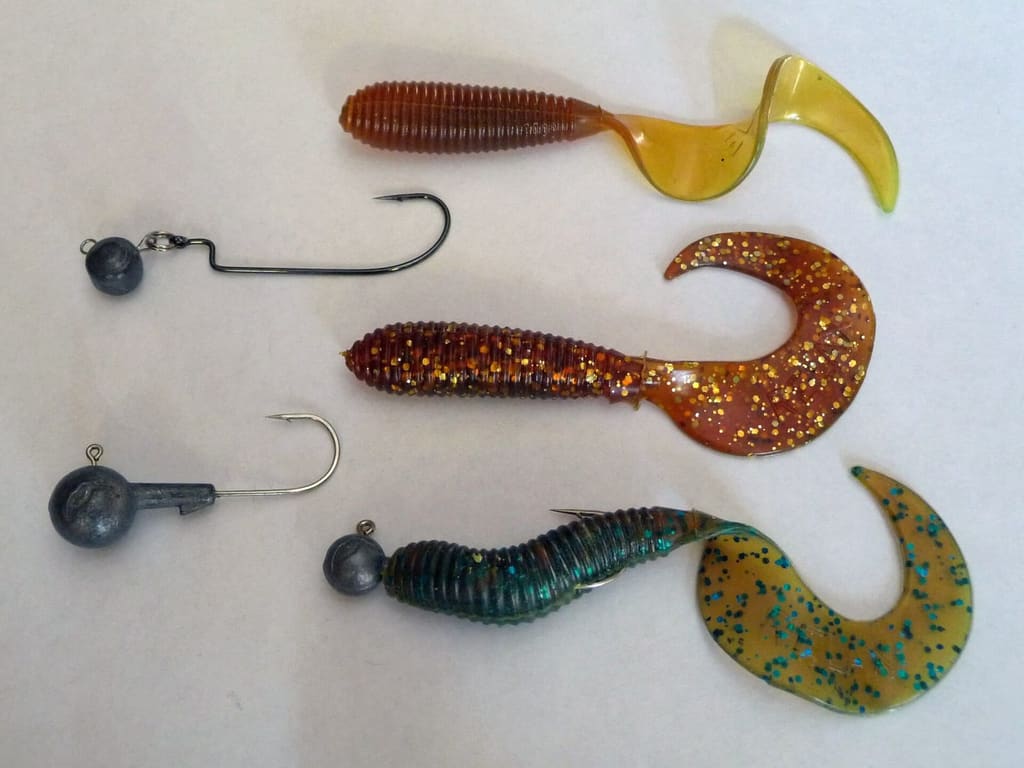
- Finesse worms: 4 to 6 inch straight-tail worms are the classic choice and catch fish everywhere.
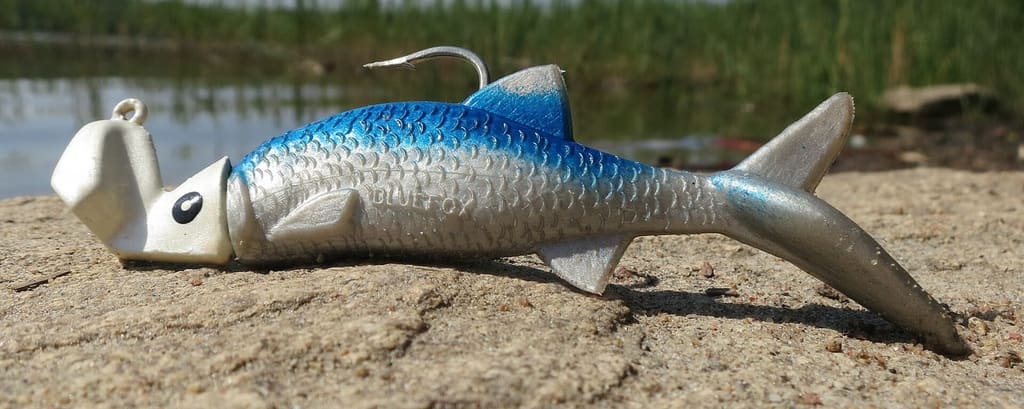
- Minnow and shad imitators: Slim, baitfish-shaped plastics excel when fish are keyed on bait.
- Small creature baits and leeches: Add bulk and movement for picky fish.
For maximum action, nose-hook the bait by running the hook through just the tip. This lets it swing freely and quiver with the slightest twitch. When fish are short-striking or you are fishing heavier cover, switch to a Texas-style weedless rig through the body to reduce snags and missed hooksets.
Fishing the Rig
This is where the drop-shot beats almost everything else: the bait can stay in one spot and still look alive. The technique is mostly about doing less.
- Cast and let it sink. Watch your line on the fall, many bites happen before the weight hits bottom.
- Take up slack until you feel the weight on the bottom, but keep a slight bow in the line.
- Shake the slack, not the weight. Gentle wrist twitches make the bait quiver in place while the weight stays put. This is the signature drop-shot move.
- Pause often. Let the bait sit dead-still for several seconds. A motionless bait draws fish that ignore everything else.
- Move slowly. When you reposition, drag the weight a foot or two, then settle in and shake again.
You can fish a drop-shot vertically straight under the boat over deep structure, or cast it out and work it back across a flat or point. Vertical presentations let you stay glued to a school you see on electronics, while casting covers water and reaches spooky shallow fish.
Setting the Hook and Common Mistakes
Because you are using light line and small hooks, resist the urge to swing hard. A sweeping side set or a steady upward pull drives the hook home without tearing it free. Reel down to load the rod, then lean into the fish.
The most common mistakes that cost fish:
- Too much weight. A heavy weight kills the natural fall and telegraphs the rig to wary fish. Use the lightest weight that still maintains bottom contact.
- Working it too fast. The drop-shot is a slow tool. If you are constantly moving, you are not letting it work.
- Setting too hard. Light gear plus a hard hookset equals pulled hooks and broken leaders.
- Ignoring line watch. Many drop-shot bites are subtle, just a tick or a line that swims off sideways. Stay tuned to your line.
Final Thoughts
The drop-shot is the rig you reach for when nothing else is working, and it has bailed out countless tough days on the water. It is forgiving to learn, brutally effective once you trust it, and it catches a wider range of species than almost any other technique. Tie one up, slow everything down, and let that bait quiver. The fish that refused your crankbait all morning will have a much harder time saying no.