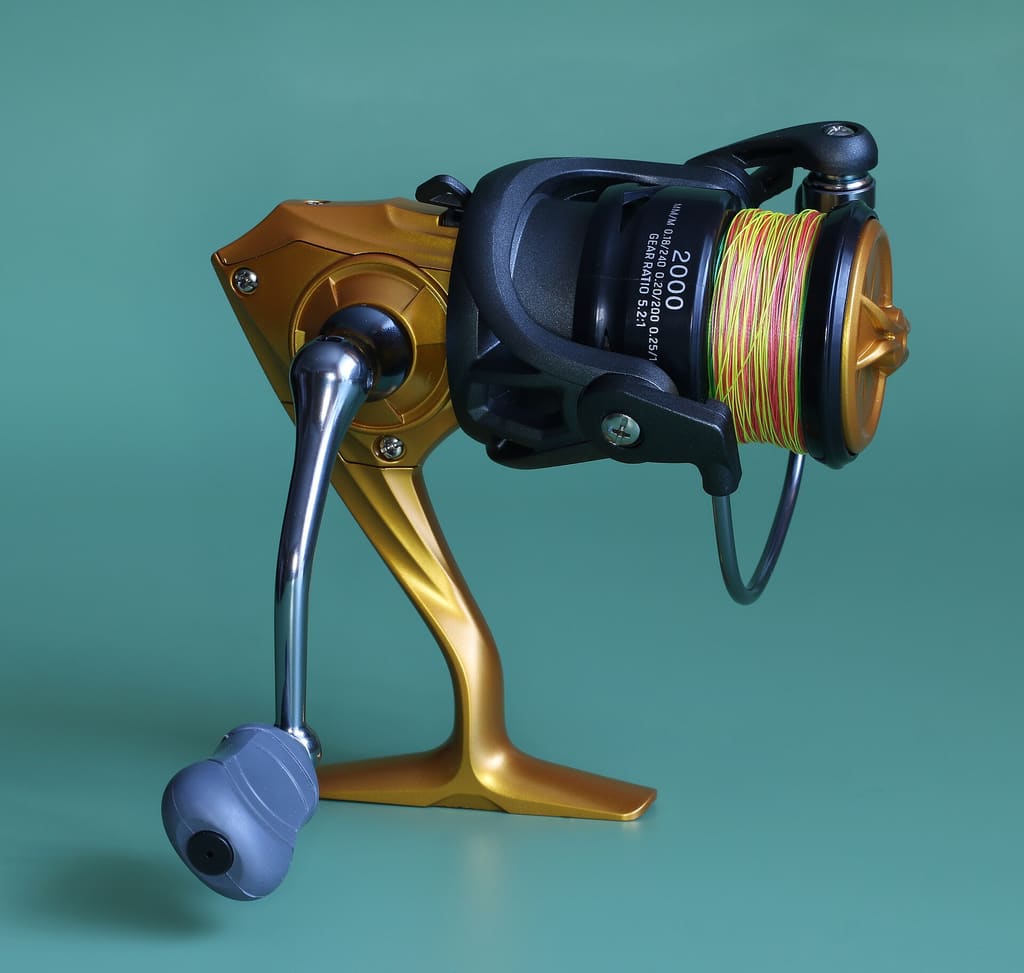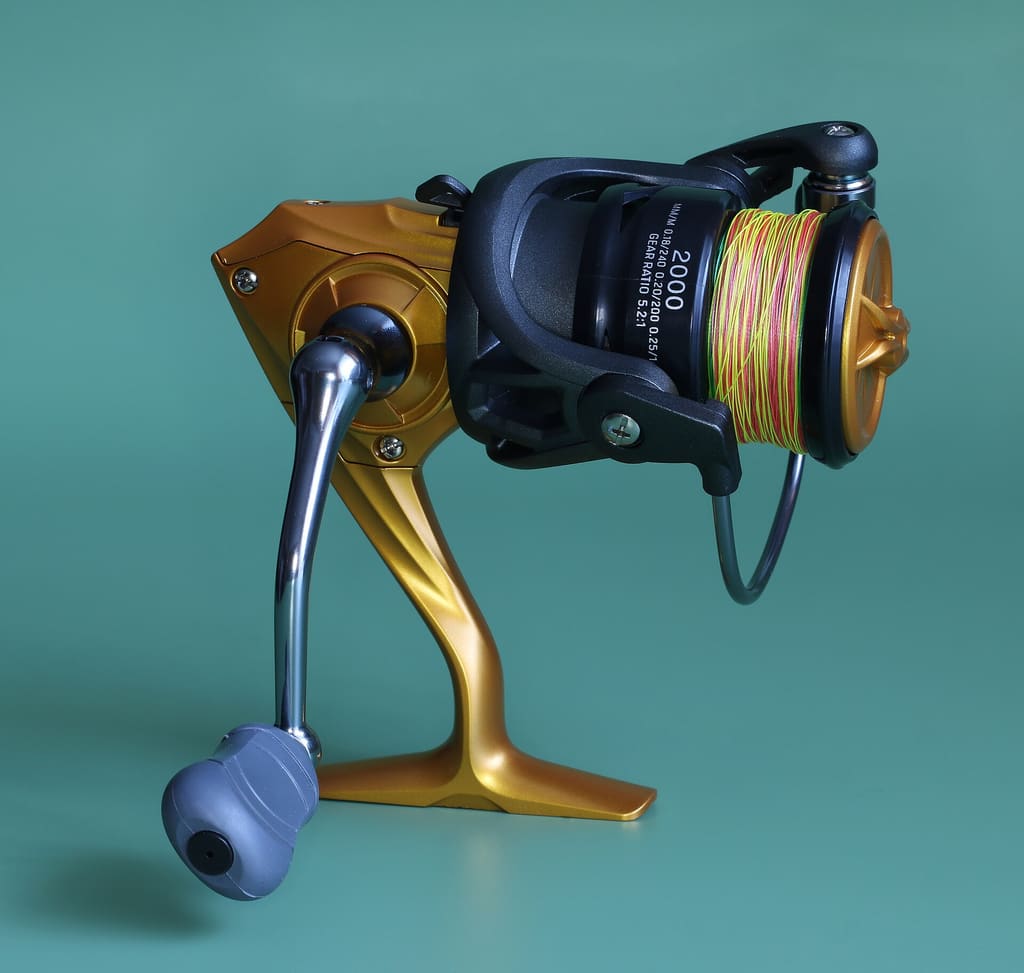
A baitcaster gives you accuracy, power, and control that a spinning reel simply cannot match once you learn to run it. The catch is that the spool spins freely under the line, and when the lure slows down but the spool keeps turning, you get the dreaded backlash: a tangled bird’s nest that ends your cast and tests your patience. Every angler who picks up a baitcaster fights this at first. The good news is that backlash is almost entirely preventable once you understand why it happens and how to set the reel up correctly.
This guide walks you through the setup, the cast itself, and the thumb control that ties it all together. Follow these steps in order, practice in the yard before you hit the water, and you will be laying out clean casts in an afternoon.
Why Backlash Happens
Backlash is a spool-speed problem. When you cast, the weight of your lure pulls line off the spool. The spool accelerates to match the speed of the flying lure. Trouble starts when the lure begins to slow down, hits the water, or catches wind, but the spool has too much momentum and keeps spinning. The extra line it releases has nowhere to go, so it piles up and tangles.
Three things control spool speed: the mechanical brakes built into the reel, the spool tension knob, and your thumb. Get all three working together and the spool slows down exactly when the lure does. That is the entire secret.
Set Up Your Reel First
Never make your first cast with a fresh reel straight out of the box. Spend five minutes dialing in the controls, and most backlash disappears before it can happen.
Step 1: Set the Spool Tension Knob
The spool tension knob is the small dial on the same side as the handle, right next to the star drag. It controls how freely the spool spins.
- Tie on the lure you plan to throw.
- Hold the rod out at the 2 o’clock position with the lure hanging about a foot below the rod tip.
- Press the thumb bar to release the spool and let the lure fall.
- Adjust the knob until the lure falls slowly to the ground and the spool stops on its own, or with the barest little overrun, the moment the lure lands.
If the lure drops like a rock and the spool keeps spinning after it lands, tighten the knob. If the lure barely moves, loosen it. Beginners should start a touch tight and loosen as their thumb improves.
Step 2: Set the Brakes
Brakes apply resistance throughout the cast, with the most effect at the start when the spool spins fastest. There are two common systems:
- Magnetic brakes use an external dial, usually numbered, on the side plate. Higher numbers mean more braking.
- Centrifugal brakes use small pins or weights inside the side plate that you turn on or off by hand.
Start with brakes set high, around 70 to 80 percent of maximum, or with most of the centrifugal pins engaged. You will sacrifice a little distance, but you will throw cleanly while you learn. As your thumb gets better, back the brakes off in small steps for more distance.
The Casting Motion
With the reel set up, the cast itself is straightforward. The key is a smooth, controlled motion rather than a hard, jerky snap.
- Grip and load. Hold the rod with the reel facing up and your thumb resting lightly on the spool. Let the lure hang six to twelve inches below the rod tip.
- Press the thumb bar. Push the bar to disengage the spool, keeping your thumb pressed down so the spool cannot move yet.
- Bring the rod back. Move the rod to roughly the 1 o’clock position over your shoulder, loading the blank with the weight of the lure.
- Sweep forward smoothly. Bring the rod forward in one fluid motion, aiming at your target.
- Release at the right moment. As the rod passes the 11 o’clock position, lift your thumb just enough to let line flow. Releasing too late drives the lure into the water in front of you; releasing too early sends it skyward.
Aim for a flat, level trajectory toward your target. A high, looping cast catches wind and slows the lure quickly, which invites backlash.
Master the Thumb
Your thumb is the most important brake on the reel, because it reacts instantly to what you see and feel. The mechanical brakes and tension knob are your safety net; the thumb is the precision control.
- During the cast, rest your thumb feather-light on the spool. Feel the line flowing off it. You are not pressing hard, just staying in contact.
- In flight, apply a tiny bit of pressure if the spool starts to outrun the lure, especially if a gust of wind hits.
- As the lure lands, press down firmly to stop the spool the instant the lure touches water. This single move, called thumbing the spool, prevents the majority of backlashes.
This is the skill that takes practice. Tie on a casting plug or a sinker, head to an open yard or field, and make fifty casts focusing only on stopping the spool the moment the weight lands. Muscle memory builds fast.
Fixing a Backlash When It Happens
Even experienced anglers get the occasional bird’s nest. Most are easy to clear if you stay calm and do not yank on the line.
- Stop reeling. Pulling on a backlash only tightens the tangle.
- Thumb the spool and pull. Press your thumb on the line pile and pull the line off the front of the spool. Often the tangle pops loose with one or two gentle pulls.
- Pick at the loops. If it stays stuck, find the loop that is pulled tight and gently work it free with your fingers or a fingernail.
- Reel up and reset. Once the line runs free, reel in the slack, check for frays, and re-tie if the line looks damaged.
If a backlash is truly welded shut, it is faster to pull off and discard the damaged section than to fight it for ten minutes on the water.
Dial In the Right Gear
Setup and technique do most of the work, but your gear matters too.
- Line. Monofilament is more forgiving than braid for beginners because it has more memory and is easier to pick out of a tangle. A 12 to 15 pound mono is a sound starting point.
- Lure weight. Lures in the three-eighths to three-quarter ounce range are far easier to cast than tiny finesse baits. Learn on something with some heft.
- Wind. Cast with the wind at your back when you can. Throwing into a headwind stalls the lure fast and is the single most common cause of backlash for newer casters.
Final Thoughts
Casting a baitcaster without backlash comes down to a simple chain: set the spool tension so the lure falls slowly, dial the brakes high while you learn, cast with a smooth level stroke, and thumb the spool the instant the lure lands. None of these steps is hard on its own, and together they make the bird’s nest a rare event rather than a constant frustration.
Give yourself an afternoon of hookless practice in the yard before you expect clean casts on the water. Loosen the brakes a little at a time as your thumb sharpens, and soon you will be reaching targets and working cover with a precision that makes the learning curve well worth it.