Dead bait catches fish. Lively bait catches more of them, and it catches them faster. A minnow that swims frantically, a nightcrawler that writhes on the hook, a shrimp that kicks — that movement is the signal that gets a predator to commit. The moment your bait goes limp, your catch rate drops off a cliff, and most anglers do not notice because they never see the comparison.
The frustrating part is that live bait is not fragile. It is easy to keep alive for days, sometimes weeks, provided you get one thing right. Almost every dead bucket of minnows died of the same cause, and it is not the one most people guess.
Temperature Is the Whole Game
If you remember nothing else: cold water holds more dissolved oxygen than warm water, and cold bait uses less of it. Heat kills bait through both sides of that equation simultaneously — the water carries less oxygen exactly when the bait’s metabolism speeds up and demands more.
This is why a bucket of minnows that was fine in the shop is belly-up two hours later in the back of a truck. Nothing else changed. The water just went from the shop’s chilled tank to eighty degrees in a vehicle.
So the fixes are simple and they are all about heat:
- Keep the bucket in the shade, always. Never in direct sun, never on a black boat deck, never in a closed car.
- Use an insulated bucket, or float a regular bucket in the lake so the water body regulates it.
- Add ice — but not directly. Freeze water in a sealed plastic bottle and float the bottle in the bait. Ice cubes dropped straight in melt into the water and, if made from treated tap water, introduce chlorine (see below).
- Cool gradually. A shock of twenty degrees in either direction can kill bait outright. Bring the temperature down over ten or fifteen minutes rather than all at once.
For most freshwater baitfish, water in the 50s Fahrenheit is a comfortable holding range, and anything above the low 70s starts causing real losses. Nightcrawlers want it colder still.
Aeration
Oxygen is the second half of the problem. Bait consumes the dissolved oxygen in the bucket and, in a sealed container, exhausts it surprisingly fast — a crowded bucket of shiners can go anoxic in under an hour on a warm day.
A small battery-powered aerator that clips to the bucket rim and runs an air stone is one of the best-value purchases in fishing. They run for many hours on a pair of D cells and turn a bucket from a two-hour holding tank into an all-day one. Position the air stone at the bottom so the bubble column circulates the whole volume rather than just fizzing at the surface.
Without an aerator, your options are:
- Water changes. Swap out half the water every thirty to sixty minutes with fresh, similar-temperature water from the lake you are fishing. This is the traditional method and it works, but only if you actually keep doing it.
- A flow-through bucket. The perforated bucket-in-a-bucket design lets you drop the inner bucket in the water at the bank, where fresh water flows through continuously.
- Agitation. Stirring or pouring water back and forth adds some oxygen. It is a stopgap, not a system.
Note that bubbling air does not cool the water. Aeration and temperature are separate problems and you need to solve both.
Do Not Use Chlorinated Tap Water
Municipal tap water is treated with chlorine or chloramine to kill microorganisms. Bait fish and shrimp are, from the water’s point of view, just larger microorganisms — the same chemistry that sterilises a pipe damages gill tissue.
Options in order of preference:
- Water from the lake or river you are fishing. Free, right temperature, no chemistry problems, and it is the water the bait will be released into anyway.
- Bottled or well water.
- Treated tap water. Use an aquarium dechlorinator, which is cheap and works instantly. Do not rely on letting water “sit out overnight” — that partially works for chlorine, which gasses off, but not for chloramine, which most utilities now use instead and which does not evaporate.
If you keep bait at home for more than a day, a small aquarium with a filter and dechlorinated water will hold minnows for weeks.
Overcrowding
Every bait container has a limit and most anglers exceed it, then blame the heat. Crowded bait strips the oxygen faster, fouls the water with waste and ammonia, and injures itself through constant contact — and scraped, slime-damaged baitfish are the first ones to die.
A rough working guide for minnows is around a dozen small baits per gallon of water with good aeration, and noticeably fewer without it. Larger shiners need considerably more room each. If the bait is bunched at the surface gulping, you are either overcrowded, out of oxygen, or too warm — and often all three.
Buy what you will realistically use in a session. Two dozen lively minnows outfish four dozen struggling ones every time.
Species-Specific Storage
Nightcrawlers and red worms
Worms want cold and dark, not water. Keep them in the commercial bedding they came in, or in damp shredded newspaper, peat, or purpose-made worm bedding. The bedding should be damp enough to clump when squeezed but never dripping — sitting water drowns worms.
A refrigerator at around 40°F is ideal, and nightcrawlers keep for weeks that way. On the water, keep the container in a cooler, not in your pocket or on the seat. Sun on a plastic worm tub cooks the whole batch in minutes.
Pick out any dead or mushy worms whenever you see them. One decomposing worm sours the bedding and takes the rest with it. If the bedding starts to smell strongly, replace it.
Bedding also firms worms up. A day or two in cool bedding makes a nightcrawler tougher and easier to keep on the hook than one straight out of the dirt.
Minnows and shiners
These are the most demanding and the most rewarding to get right. Cool water, aeration, and low density are the three requirements, and shiners in particular are notably more delicate than fathead minnows.
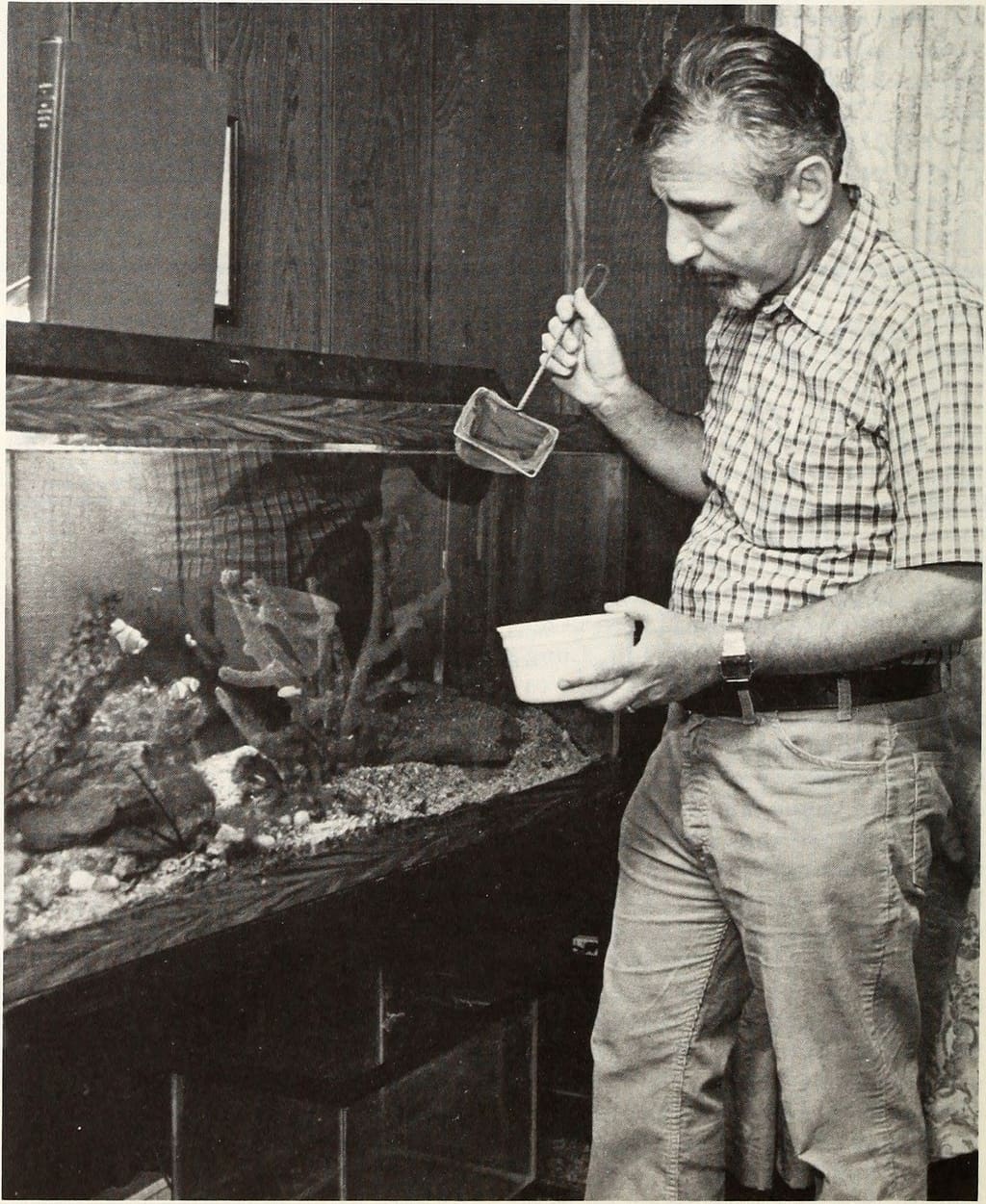
Handle them with a small net, never a bare hand — the slime coat is their defence against infection, and a fistful of minnows arrives at the hook already dying. Remove dead ones immediately, because a decomposing baitfish spoils the water fast in a small volume.
If you buy from a shop, ask what temperature their tank runs at and try to keep your bucket close to it, cooling gradually rather than shocking them.
Live shrimp
Saltwater shrimp are oxygen-hungry and need aeration to hold for any length of time. Some anglers keep them in a well-aerated bucket of seawater; others use a lidded container with damp seaweed or a wet towel over layered shrimp, which keeps them alive without full immersion in cool conditions.
Either way, cool and shaded is non-negotiable, and dead shrimp must come out at once because they foul water and go soft very quickly. Do not use freshwater on saltwater shrimp.
Transport
The drive is where most bait dies, because it is the hottest, longest, most-forgotten leg of the trip.
- Put the bait bucket in a cooler, or an insulated bag, or at minimum in the footwell out of the sun with the air conditioning on it.
- Never leave a bucket in a parked, closed vehicle even briefly. Interior temperatures climb far faster than people expect.
- Secure the lid. Bait sloshing across a truck bed loses water and gains bruises.
- If the drive is over an hour, run the aerator for the trip and float a frozen bottle.
- Reduce water depth slightly during a bumpy drive so the bait is not thrown around, but not so much that you crowd them.
For worms, all of this is simpler: the cooler with an ice pack, lid closed, done.
Common Questions
How long can minnows survive in a bucket without an aerator?
In cool water, lightly stocked, kept in shade, an hour or two is realistic before oxygen becomes limiting — and considerably less if the bucket is crowded or the day is warm. That is the honest answer, and it explains why so many buckets fail. If you are not running an aerator, plan on a full or half water change every thirty to sixty minutes with water from the lake you are fishing, and keep the density well below what looks reasonable. A battery aerator costs less than two tanks of gas and removes the problem entirely, which is why almost every angler who fishes live bait regularly owns one.
Can I keep leftover bait for the next trip?
Worms, easily — cool damp bedding in the refrigerator holds nightcrawlers for weeks, and they often come back tougher than when you bought them. Minnows are harder but doable: a small aquarium with a filter, dechlorinated water, and cool temperatures will hold them, and they need to be fed if you keep them beyond a few days. Live shrimp are the least practical to hold over and are usually best bought fresh. Before you plan any of this, check your local rules — some regions restrict holding, transporting, or reusing live bait specifically to limit disease and invasive species spread.
Is live bait always better than lures?
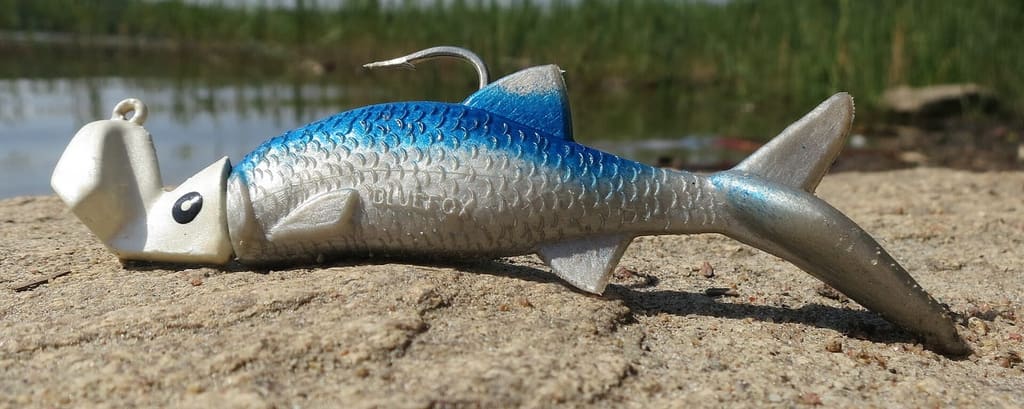
No. Live bait shines when fish are inactive, pressured, or feeding on a specific forage, and it is the fastest route to a bite for a beginner. Lures cover water far more efficiently, let you target size and depth precisely, and mean no bucket to maintain on a hot afternoon. Most experienced anglers carry both and choose by conditions rather than loyalty. The lures vs live bait comparison goes through when each one earns its place.
Final Thoughts
Keeping bait alive is not complicated, but it is unforgiving of neglect. Cold water, moving air, room to swim, and nothing chlorinated — that is the entire recipe, and every dead bucket you have ever poured out failed at one of those four.
Build the habit around the drive and the midday hours, because that is when the losses happen. Insulated bucket, frozen bottle, aerator running, bucket in the shade. Get that routine automatic and your bait will be kicking at four in the afternoon when everyone else has switched to plastic. If you are new to bait fishing generally, how to start fishing covers the rigs that put it to work.
_(20658975685).jpg)