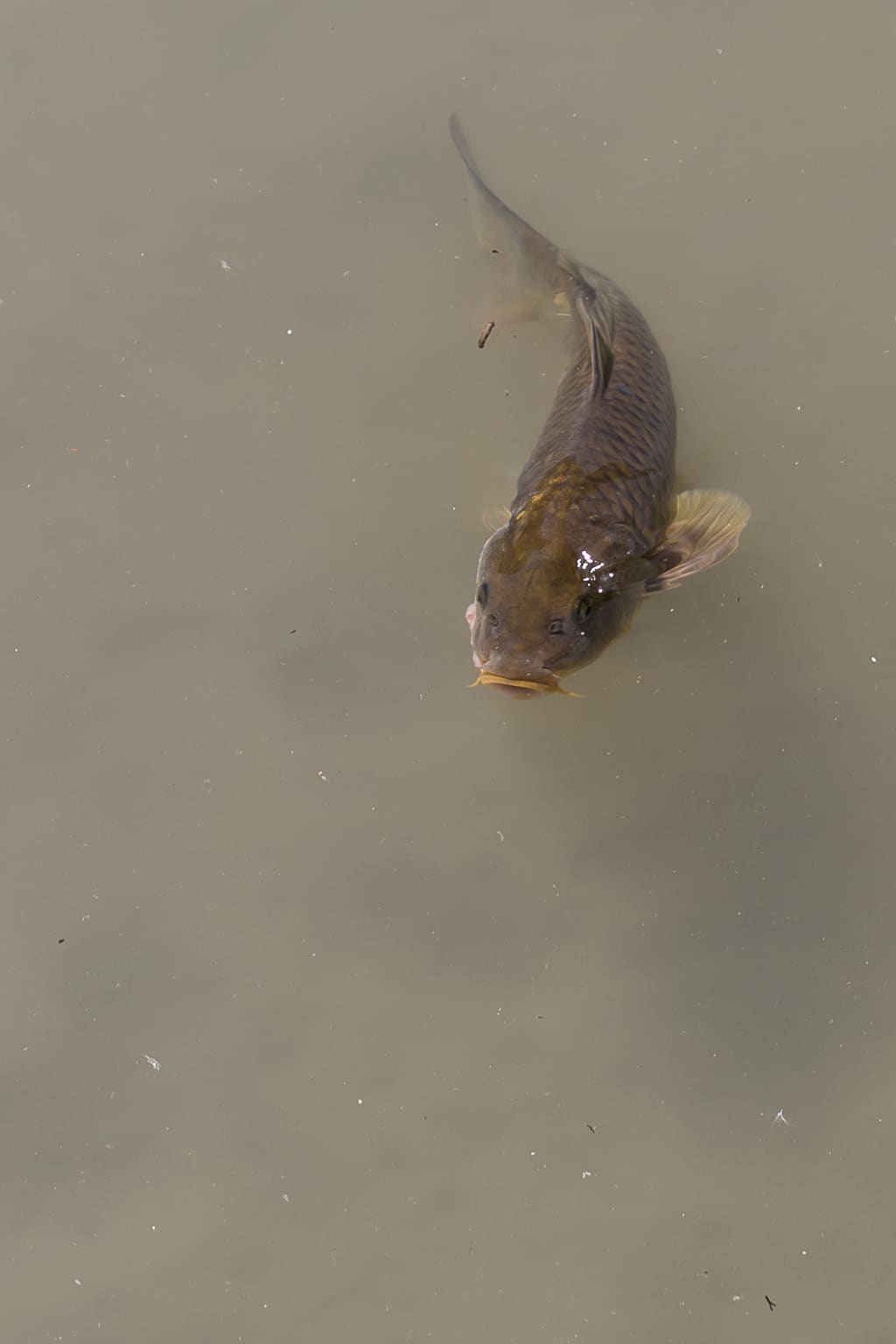
Across most of Europe, the common carp is the most pursued freshwater fish there is. Anglers plan trips around them, build entire tackle systems for them, and treat a big one as the fish of a lifetime. Cross the Atlantic and the same fish is often dismissed as trash, a nuisance, something to be shot with a bow rather than caught with a rod. Both views come from real experience, and both are worth understanding.
What is not in dispute is what a carp does when you hook one. A double-digit fish on light tackle will empty a spool in a way few freshwater species can match, and they are available in water most anglers drive past. Muddy city ponds, canals, big rivers, irrigation reservoirs. If it holds water and has some nutrients in it, there is a decent chance carp live there.
This guide covers how to tell a common carp from the fish it gets confused with, what they eat, how to rig for them, and how to actually get bites instead of just soaking bait and hoping.
Identifying a Common Carp
The single most reliable field mark on a common carp is the barbels. There are two pairs of fleshy whiskers around the mouth, a short pair on the upper lip and a longer pair at the corners. No other big fish you are likely to catch in North American fresh water has them in that arrangement.
Beyond the barbels, look for a deep, thick-bodied fish with large scales, a long dorsal fin running well down the back, and a stout serrated spine at the front of both the dorsal and anal fins. Color runs from brassy gold to olive to nearly bronze depending on water clarity.
Here is how carp separate from the fish they get mistaken for:
- Grass carp: No barbels at all. The body is more cylindrical and torpedo-shaped, the dorsal fin is noticeably shorter, and the scales are large with dark edges giving a crosshatched look. A different species entirely, and in many places protected or regulated separately.
- Bigmouth and smallmouth buffalo: Native suckers, not carp. No barbels, no serrated dorsal spine, and a distinctly sucker-like mouth. Buffalo are usually a duller slate or bronze-gray. They are frequently misidentified as carp and sometimes killed on that basis, which is a shame given they are native fish that can live a very long time.
- Koi: Domesticated common carp. Same species, selectively bred for color. Escaped or released koi turn up in public water and revert toward drab coloration over generations.
- Mirror and leather carp: Also common carp. Mirrors carry a scattered patchwork of large irregular scales, leathers are nearly scaleless. Both are the same fish with different scale genetics, not separate species.
Range and Habitat
Common carp are native to Eurasia and have been moved around the world by people for centuries, first as a food fish and later as sport. They are now established on every continent except Antarctica. In North America they arrived in the 1800s as a deliberate food-fish stocking program and spread from there through nearly every major drainage.
They tolerate conditions that would kill most gamefish: warm water, low oxygen, heavy silt, and poor clarity. That resilience is exactly why they thrive in urban and agricultural water where other species struggle, and also why they get blamed for degraded habitat they often merely survived.
Look for carp around:
- Shallow silty bays and flats where they root in the bottom
- Slow river margins, eddies, and backwaters
- Canal and channel edges
- Weed beds and lily pad margins in summer
- Deeper holes and channel bends in cold water
- Any spot where people regularly throw bread
That last one is not a joke. Carp learn feeding locations, and a park pond where visitors feed ducks often holds fish conditioned to look for food on the surface.
Why Europe Reveres Them and North America Overlooks Them
The split is largely historical. In much of Europe, carp were farmed and stocked as a valued species for centuries, and by the time modern angling developed there simply were not many large native predators available for the average angler to chase. Carp became the target by default, and then by preference. An enormous specialist culture grew around them: purpose-built rods, bite alarms, bivvies, a whole bait industry, and a strong catch-and-release ethic centered on named individual fish in known lakes.
In North America, carp arrived into water that already held bass, walleye, pike, catfish, and trout. They were introduced as food, that never took hold culturally, and they were left with a reputation as an invasive bottom-feeder. Some of the ecological criticism is fair, because in shallow systems their feeding behavior can increase turbidity and disturb rooted vegetation.
Both perspectives can be true. Carp can be a genuine management concern in some waters and simultaneously one of the hardest-fighting, most challenging fish available to an angler on foot with no boat. A growing number of North American anglers have figured that out and now fish for them deliberately.
What Carp Eat
Carp are omnivorous bottom feeders with a highly developed sense of smell and taste. They root through sediment for bloodworm, snails, mussels, crustaceans, insect larvae, seeds, and plant matter, using those barbels to locate food by feel and scent as much as sight.
Practically, that means carp respond to bait that smells and dissolves, not bait that looks like a minnow. They are also cautious. A carp will suck a bait in and blow it straight back out if something feels wrong, which is the entire reason modern carp rigs exist.
Best Baits
Sweetcorn is the best starting bait there is. It is cheap, visible, sweet, and carp everywhere eat it. Two or three kernels on a hair rig catches fish in water that has never seen a specialist angler.
Boilies are boiled paste baits designed to resist small nuisance fish and stay on the hook for hours. They come in fishmeal, fruit, and spice flavors in sizes from roughly 10mm to 20mm. Boilies are the backbone of European carp fishing because they select for larger fish.
Bread is underrated. A pinch of flake on a hook sinks slowly and looks natural, and floating crust fished on the surface on a warm afternoon is one of the most exciting ways to catch a carp anywhere.
Pack bait is a North American favorite: a moldable mix of ground feed, often creamed corn and breadcrumb or commercial mixes, packed around a weight or method feeder. It breaks down into a scent cloud on the bottom with your hookbait sitting right in it.
Particles like maize, tigernuts, hemp, and chickpeas work well as loose feed to hold fish in an area. Prepare dried particles properly by soaking and boiling them, because improperly prepared hard particles can harm fish.
Hair Rigs and Method Feeders
Two ideas cover most modern carp fishing, and both solve the same problem: a carp that can eject a bait the moment it feels a hook.
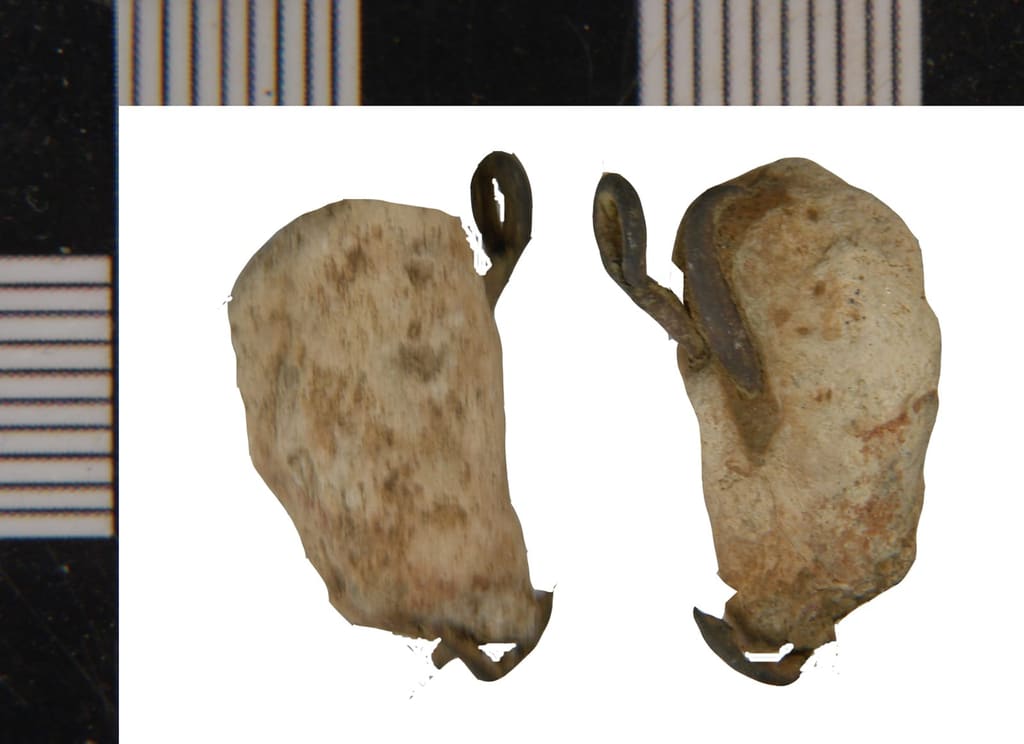
The hair rig separates the bait from the hook. Instead of threading corn onto the hook point, you tie a short length of line, the “hair,” off the back of the hook shank and mount the bait on that with a small bait stop. The hook rides free and exposed. When the carp sucks in the bait, the hook goes in with it, and when the fish tries to eject, the hook catches hold on the way out and pricks the bottom lip.
To rig a basic hair setup:
- Tie a hook with a knotless knot, leaving a tag loop hanging about a quarter to half an inch off the bend, sized so the bait sits just below the hook bend.
- Thread your corn, boilie, or bread onto the hair with a baiting needle.
- Slide a small plastic bait stop through the end of the loop to hold the bait in place.
- Connect to your main line via a swivel and a lead.
The method feeder is a weighted frame you mold groundbait or pack bait around, with a short hooklink, typically four to six inches, holding your hookbait right against the feeder. As the ball breaks down, the fish feeds directly on top of your hook. Combined with a semi-fixed lead setup, the carp effectively hooks itself against the weight of the feeder when it moves off.
Tackle
You do not need a dedicated carp setup to start, but you do need gear that can handle a hard-running fish.
- Rod: A medium-heavy rod of roughly 7 to 12 feet with some give in the tip. Dedicated carp rods are usually 12 feet and rated in test curve rather than lure weight, commonly 2.5 to 3.5 pounds.
- Reel: A larger spinning reel or baitrunner-style reel with a smooth drag and enough capacity for a long run. A freespool feature that lets a fish take line with the bail closed is genuinely useful.
- Line: 12 to 20 pound monofilament is a sensible general range, heavier around snags. Braid gives better bite indication but has less stretch to cushion a lunge, so match it to a softer rod. Our guide to fishing line types covers the tradeoffs in more depth.
- Hooks: Wide-gape carp hooks in roughly size 8 to 4 for corn and small boilies. Strong wire matters more than brand.
- Landing gear: A large landing net and an unhooking mat. Carp are heavy fish with delicate slime coats, and dropping one on dry ground or gravel does real damage.
Knots matter more than usual here because bites often come after hours of waiting. A Palomar knot handles most terminal connections, and the improved clinch works well for swivels in mono.
Best Times to Fish
Carp feed most actively when water is warm, roughly from the mid-60s Fahrenheit upward. Late spring through early fall is prime, with the pre-spawn period in late spring often producing the heaviest fish of the year.
Dawn and dusk are reliable, but carp differ from many gamefish in that they will feed hard through the middle of a hot day, particularly on the surface. Night fishing is extremely productive where it is legal.
In cold water carp slow down considerably but do not stop feeding. Winter fish hold in deeper, more stable water and want smaller baits presented patiently in one spot. Water temperature drives nearly all of this, and the same logic explained in our water temperature guide applies directly.
Look for feeding signs before you cast. Clouds of muddy water in the shallows, chains of small bubbles rising in one area, reeds shaking with no wind, or fish rolling on the surface all tell you where fish are working.
Common Questions
Are common carp good to eat?
Yes, though preparation matters. Carp have firm white flesh and are eaten widely across Europe and Asia, where they are a traditional holiday food in several countries. They carry a row of intramuscular Y-bones that need scoring or careful filleting, and flavor depends heavily on water quality, so fish from clean, cooler water taste far better than fish from warm stagnant ponds. Bleeding the fish immediately and removing the dark lateral line meat improves the result considerably. Always check local consumption advisories for the water you fished.
What size do common carp typically reach?
In most accessible waters, a common carp of roughly 5 to 15 pounds is a normal catch, and fish in the 20 to 30 pound range are a very good day out. Growth depends enormously on food supply, water temperature, and how long fish live, so a rich, lightly fished lake produces much bigger averages than a crowded urban pond. Fish beyond 40 pounds exist in productive systems but are genuinely rare. Treat any specific number you hear as approximate, because carp weights vary hugely between waters and across seasons.
Do I need special carp gear to start?
No. A medium-heavy spinning setup with 15 pound line, a size 6 hook, a small sinker, and a can of sweetcorn will catch carp. Tie a simple hair rig and you have removed the single biggest obstacle, which is fish ejecting the bait before you feel anything. Specialist rods, bite alarms, and rod pods make long sessions more comfortable and improve your hookup rate on cautious fish, but none of it is required to catch your first one. Start simple, and add gear only when you can point at the specific problem it solves.
Final Thoughts
Carp reward patience and observation more than gear. Find where fish are actually feeding, put down enough bait to hold them, present a hookbait that does not feel like a trap, and then wait properly. The first time a carp picks up your bait and simply keeps going, you will understand why an entire continent built a fishing culture around them.
If you have written them off, try one deliberate session with corn and a hair rig on water you already know. It is the cheapest way to find a new fishery in water you have been driving past for years.
_-_426.jpg)