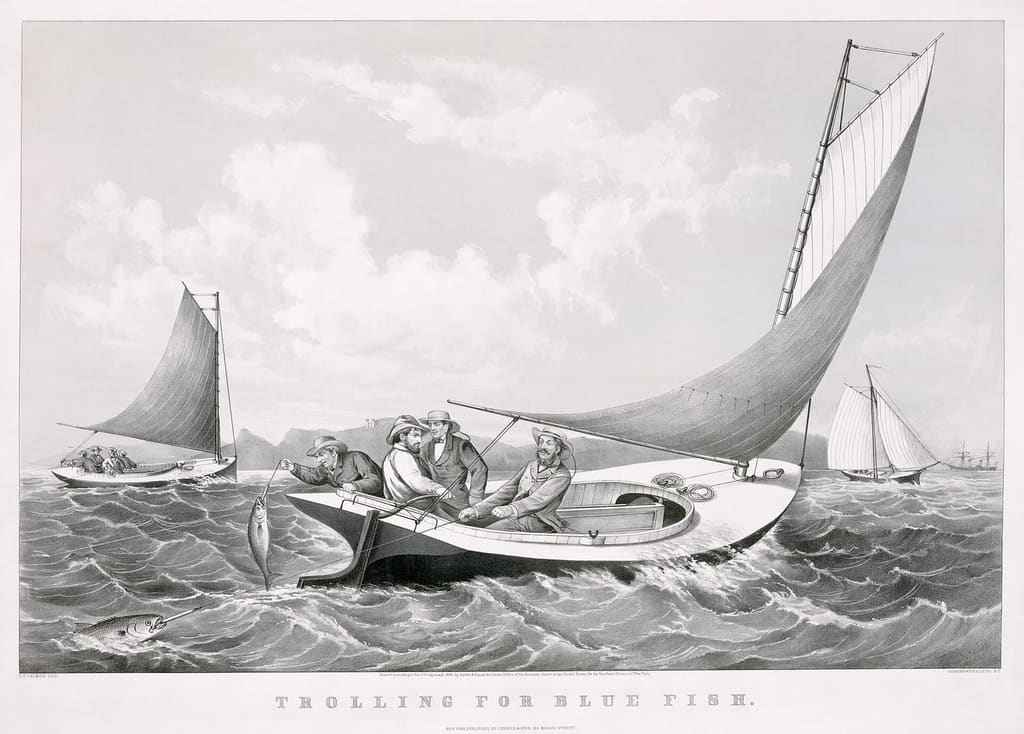
Trolling is the most efficient way to put your lures in front of fish you have not located yet. Instead of casting blind to one spot and hoping, you pull baits behind a moving boat and let the water do the searching for you. When fish are scattered, suspended, or roaming open water, trolling covers more ground in an hour than casting does in a morning.
The real skill is not just dragging a lure around. It is reading what the water and your electronics tell you, then dialing in speed, depth, and spread until you turn random passes into a repeatable pattern. Get those variables right and trolling stops feeling like luck and starts feeling like a system.
Why Trolling Finds Active Fish
Active fish move and feed. A trolled lure swimming past them triggers a reaction strike from fish that might ignore a stationary bait. Because you are constantly moving, you sample many depths, structures, and temperature zones in a single pass. When you get a strike, that one fish has just handed you a starting point: a depth, a speed, a location, and a lure color that worked.
The goal early in a trip is information. Spread out your lures across different depths and styles, troll varied water, and pay attention to where and how the bites come. Once a pattern emerges, you stop experimenting and start repeating the conditions that produced fish.
Dialing In Trolling Speed
Speed is the single biggest variable, and it changes lure action completely. Too slow and a crankbait barely wobbles; too fast and it rolls over or blows out. Use your GPS to track speed over ground, but trust the rod tip and the lure even more.
General starting points by target species:
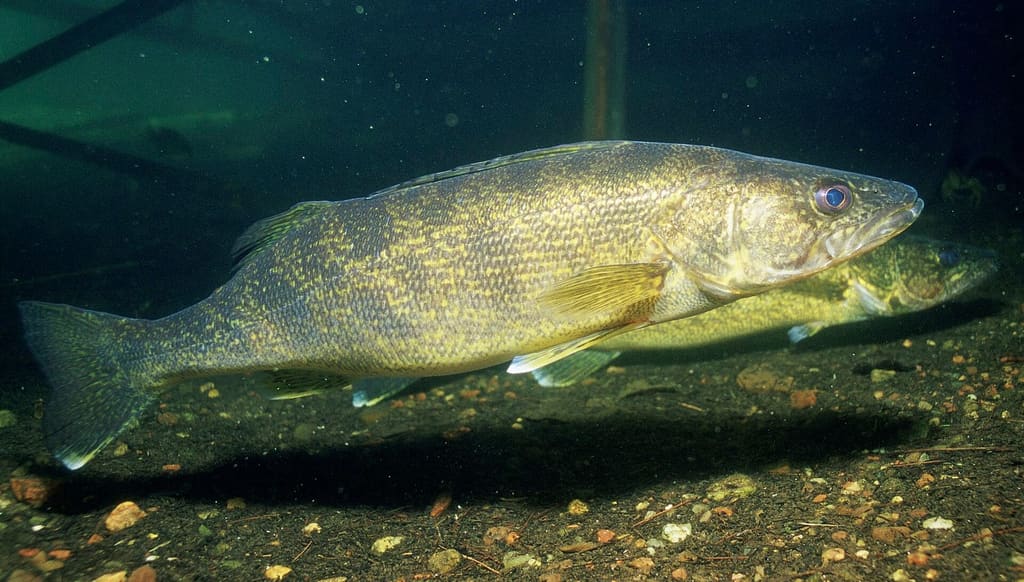
- Walleye: 1.0 to 2.5 mph, slower in cold water, faster in summer
- Trout and salmon: 1.5 to 3.5 mph depending on lure and species
- Striped bass: 2.5 to 4 mph for plugs and umbrella rigs
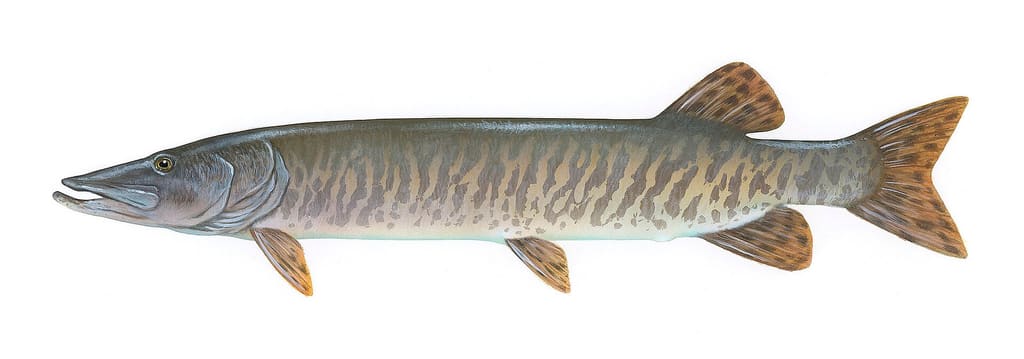
- Muskie and pike: 3 to 6 mph to make big baits dig and roll
Always check each lure boatside before you set it. Drop it next to the hull at trolling speed and watch the action. If it is swimming with a tight, lively wobble, it is in the zone. If it lists to one side or rolls, tune the line tie or slow down.
Controlling Depth
Putting your lure at the depth fish are holding matters more than the exact lure. There are several ways to reach the strike zone, and serious trollers mix them across the spread.
Line and Lure Choices
- Lip diving depth: A crankbait’s bill dictates how deep it runs. Match the lure’s rated depth to your target zone.
- Line diameter: Thinner line cuts water better and runs lures deeper; braid runs deeper than mono at the same length.
- Line length back: More line out generally means deeper, up to the lure’s maximum dive curve.
Depth Control Tools
- Inline weights and snap weights add depth without a big setup change.
- Diving planers like a Dipsy Diver pull lures down and out to the side.
- Leadcore line sinks predictably; roughly five feet per color at typical walleye speeds.
- Downriggers give precise, repeatable depth and let you fish light lures deep.
Lean on your sonar. If fish are marking at 22 feet, get baits to 20 to 24 feet. A lure five feet above a fish will draw strikes; a lure five feet below it usually will not.
Building an Effective Spread
A spread is the arrangement of multiple lines behind the boat. The point is to cover several depths and lateral positions at once without tangling. Stagger lure depths so you sample the column, and stagger line lengths so baits track at different distances back.
A simple, productive layout for two anglers:
- Two long lines straight back at different depths to cover the prop-wash zone where fish often recover and strike.
- Two lines out to the sides on planer boards to spread coverage and reach fish pushed off the boat’s path.
- If allowed, one or two more lines on downriggers or divers to lock in a specific deep zone.
Planer boards are the key to width. They carry lines well off to the side, away from the boat’s noise, and let you fish skittish shallow fish without spooking them. They also keep lines separated so you can run more rods cleanly.
Reading Water and Electronics
Do not troll randomly. Use structure and your electronics to focus effort where fish are likely to be.
- Follow contours. Troll along breaklines, points, humps, and the edges of weed beds where fish stage and ambush.
- Watch the temperature. In summer, target the thermocline where cooler, oxygenated water concentrates baitfish and predators.
- Mark bait and fish. When sonar lights up with bait balls and arches, slow down and work that water hard.
- Note the bites. Log the depth, speed, lure, and location of every strike. Three fish at the same depth and speed is a pattern worth repeating.
When a stretch produces, turn around and run it again rather than wandering off into unproven water. Active schools often hold in surprisingly small zones.
Rigging and Gear Tips
Smooth trolling depends on tackle that handles steady pressure and sudden strikes.
- Use a moderate-action rod that loads slowly so fish hook themselves and do not tear off on the strike.
- Set the drag lighter than you would for casting; a hard strike at speed can pop a stiff drag.
- Add a quality ball-bearing swivel ahead of spinning lures to prevent line twist.
- Carry a lure retriever and check hooks often, since trolled baits pick up weeds and debris.
A Simple Game Plan for Your Next Trip
Start the day in search mode. Set a varied spread, pick a speed in the middle of your species range, and troll productive structure while watching your electronics. Stay patient through the first hour; you are gathering data, not just fishing.
When you get a strike, react. Reset that line to the same depth and length, nudge your other baits toward the depth that produced, and run the same water again at the same speed. Tighten the pattern with every fish until your whole spread is dialed to what is working that day.
Final Thoughts
Trolling rewards the angler who treats it as a method, not a mindless drag around the lake. Cover water, watch your speed and depth, read your electronics, and let the first few fish tell you what the day wants. Once you learn to repeat a winning pattern instead of stumbling onto bites, trolling becomes one of the most consistent ways to find and catch active fish on unfamiliar water.